




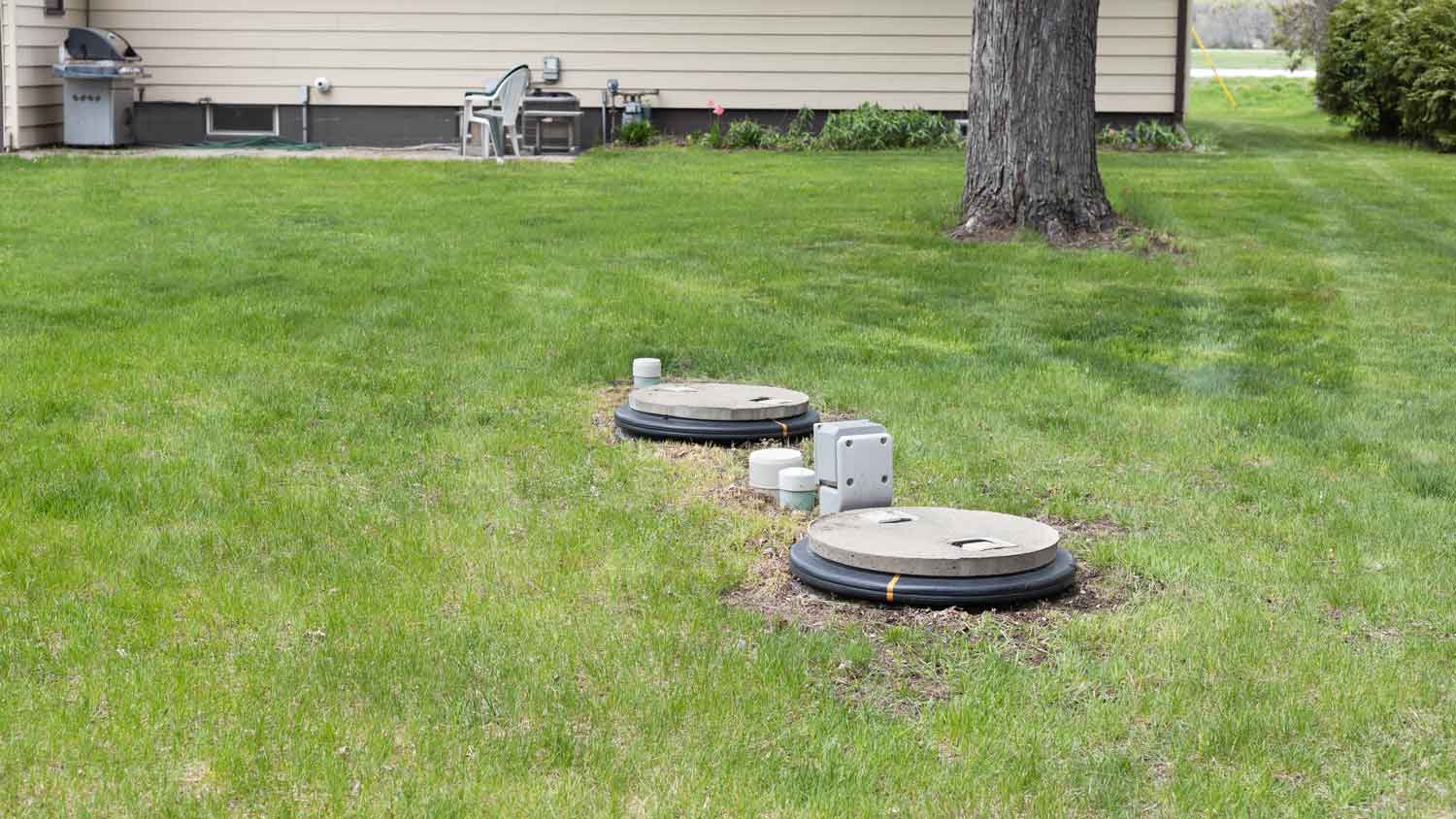
Top-rated percolation testing pros.

Best percolation testing pros near Trail, OR

Enter your zip and get matched with up to 5 pros

Need a pro for your percolation testing project in Trail, OR?

Select your specific project to find the pro for you.

TRUSTED BY TRAIL, OR HOMEOWNERS

  • Average homeowner rating star icon4.8
    Average homeowner rating
  • Verified reviews icon102
    Verified percolation testing services reviews

Top-Rated Percolation testing pros in Trail - Updated Nov 2026

No results for Percolation testing pro in

Try adjusting your search criteria.
Percolation Tests FAQs, answered by experts

The signs of asbestos exposure are often subtle and may not appear for many years, or even decades, after initial contact. This long latency period is one of the primary dangers associated with asbestos.

When symptoms do manifest, they can include:

  • Shortness of breath

  • A persistent, dry cough

  • Chest pain or tightness

  • Fatigue

  • Wheezing

  • Weight loss

  • Difficulty swallowing

  • A dry, crackling sound from the lungs when breathing

These symptoms are non-specific and can be mistaken for other respiratory conditions, making diagnosis challenging. Prolonged exposure can lead to serious diseases as the asbestos fibers cause scarring and inflammation in the lungs. These conditions include asbestosis, lung cancer, and mesothelioma.

Due to the vague nature of early symptoms, regular medical check-ups are crucial for anyone with a known history of asbestos exposure, particularly in an occupational setting. If you suspect asbestos is present in your home, a professional inspection is recommended.

Services test for allergens, mold, VOCs, and carbon monoxide levels to ensure a healthy indoor environment.

It can be safe to live in a house with asbestos as long as the asbestos-containing materials are intact, in good condition, and not disturbed. Asbestos becomes dangerous only when its fibers are released into the air, which happens if the material is damaged, crumbling, or disturbed during renovation work. If you suspect asbestos is present, do not disturb it. Instead of removal, materials in good condition can sometimes be encapsulated. It is recommended to have regular professional inspections to monitor the condition of the asbestos and prevent health risks from potential exposure.

When asbestos fibers become airborne, they enter a person's respiratory system. These fibers scar and damage the lungs and often lead to serious cancers like mesothelioma. Like many dangers in the house, asbestos isn’t easy to see when it could be causing serious damage. The amount of time exposed, combined with the person’s tolerance for asbestos inhalation and the amount inhaled, will all contribute to health problems.

Yes, even a single, one-time exposure to asbestos can be harmful and increase the risk of future illness, including certain diseases and cancers. The level of risk depends on several factors, such as the concentration and intensity of the exposure. A small, brief exposure is less likely to cause significant damage than an exposure to a high concentration of asbestos fibers.

The likelihood of developing severe health issues increases with repeated or prolonged exposure. Individual reactions to asbestos vary; some people may have multiple exposures without harm, while others are more susceptible. Asbestos-related illnesses may not manifest for 10 to 40 years after inhalation.

Due to these risks, it is crucial to take precautions. Personal protective equipment (PPE) may not offer complete protection, as fibers can get through small gaps. The EPA recommends hiring a professional for testing and removal if you suspect the presence of asbestos in your home. If you are concerned about a potential exposure, consult your doctor.

The Trail, OR homeowners’ guide to percolation testing services

From average costs to expert advice, get all the answers you need to get your job done.