

Top-rated radon detection and reduction specialists.

Get matched with top radon detection and reduction specialists in Sharonville, OH

Enter your zip and get matched with up to 5 pros

Need a pro for your radon detection and reduction project in Sharonville, OH?

Select your specific project to find the pro for you.

Find Radon detection and reduction specialists in Sharonville

Avatar for Tri-State Radon and Mold, Inc.
Tri-State Radon and Mold, Inc.
4.8(
66
)
Radon Gas - AbatementRadon Gas - Testing

Serving Sharonville, OH and surrounding areas

In business since 2010

Free estimates

Warranties offered

"Andy from Tristate was a real professional. He was prompt, knowledgeable and the entire analysis was completed on time with an easy to understand report. We will use this company every 2 years to monitor radon. We could not be more pleased with Andy and Home Builder! John Seifert"
Recommended by98%of homeowners
Avatar for Simply Radon, LLC
Simply Radon, LLC
4.8(
11
)
Radon Gas - AbatementRadon Gas - Testing

Serving Sharonville, OH and surrounding areas

In business since 2008

Free estimates

Credit card accepted

"Our radon system fan needed to be replaced and we were able to get that done the day after I talked to this company. Very quick and courteous service and didn't cost as much as we were anticipating."
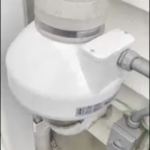
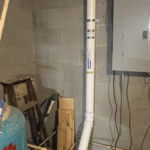
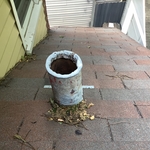
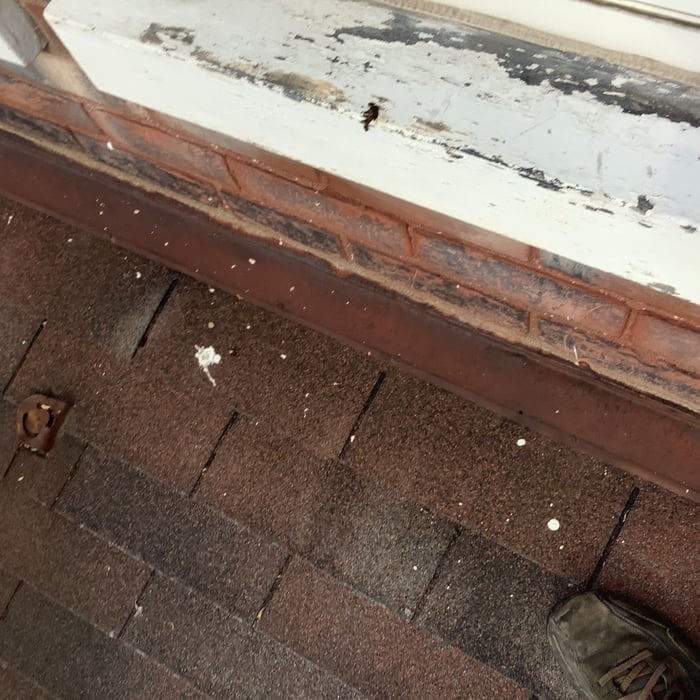
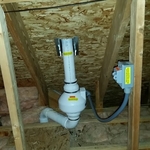
Inside
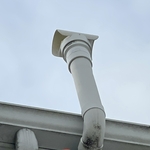
Roof top
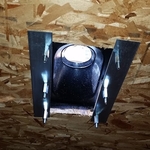
Water  tight seal for roof
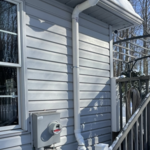
Outside
Outside

+11

Response time1 day
Recommended by100%of homeowners
Radon Detection and Reduction questions, answered by experts

The average radon mitigation system uses about 876 kWh of electricity per year, although the exact amount of electricity used will vary depending on the size of the radon fan. Once the system is installed, the annual increase to your energy bill could range from $30 to $300 per year, again depending on the size of the fan.

The fan that pulls the radon out of the air needs to run continuously, so you may see an increase in your electric bill once you install the mitigation system. Additionally, you may see an increase in your heating or cooling bills, as the fan can cause some loss of hot or cool air.

Your radon mitigation system may be loud because it’s time to replace it. Any sounds are usually from the inline fan that helps create the vacuum and resulting airflow. If you hear a new, loud mechanical or humming noise from your radon fan, it might be time to replace it. Most fans used in radon mitigation systems last up to 10 years, but may need to be replaced sooner.

No level of radon is technically safe, but since it is present everywhere, complete avoidance is impossible. The average radon level in homes across the United States is 1.3 picocuries per liter (pCi/L). The Environmental Protection Agency (EPA) recommends taking preventative measures if your home's radon levels are between 2 and 4 pCi/L or higher.

Radon is present almost everywhere but, like sunlight, the concentration levels and how often you are exposed to it have a large part to play in just how dangerous it is. There are levels of radon that are acceptable inside a house, but above a certain limit, radon becomes a serious radioactive hazard that is a known cause of lung cancer. In fact, radon exposure is the number two leading cause of lung cancer (after smoking).

The Sharonville, OH homeowners’ guide to radon detection and reduction services

From average costs to expert advice, get all the answers you need to get your job done.