



Get matched with top radon detection and reduction specialists in Glendale, OH
Top-rated radon detection and reduction specialists.

Need a pro for your radon detection and reduction project in Glendale, OH?

Select your specific project to find the pro for you.

Find Radon detection and reduction specialists in Glendale

Avatar for Tri-State Radon and Mold, Inc.
Tri-State Radon and Mold, Inc.
4.8(
66
)

Serving Glendale, OH and surrounding areas

In business since 2010

Free estimates

Warranties offered

"Andy from Tristate was a real professional. He was prompt, knowledgeable and the entire analysis was completed on time with an easy to understand report. We will use this company every 2 years to monitor radon. We could not be more pleased with Andy and Home Builder! John Seifert"
Recommended by98%of homeowners
Avatar for Simply Radon, LLC
Simply Radon, LLC
4.8(
11
)

Serving Glendale, OH and surrounding areas

In business since 2008

Free estimates

Credit card accepted

"Our radon system fan needed to be replaced and we were able to get that done the day after I talked to this company. Very quick and courteous service and didn't cost as much as we were anticipating."
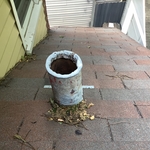
Inside
Roof top
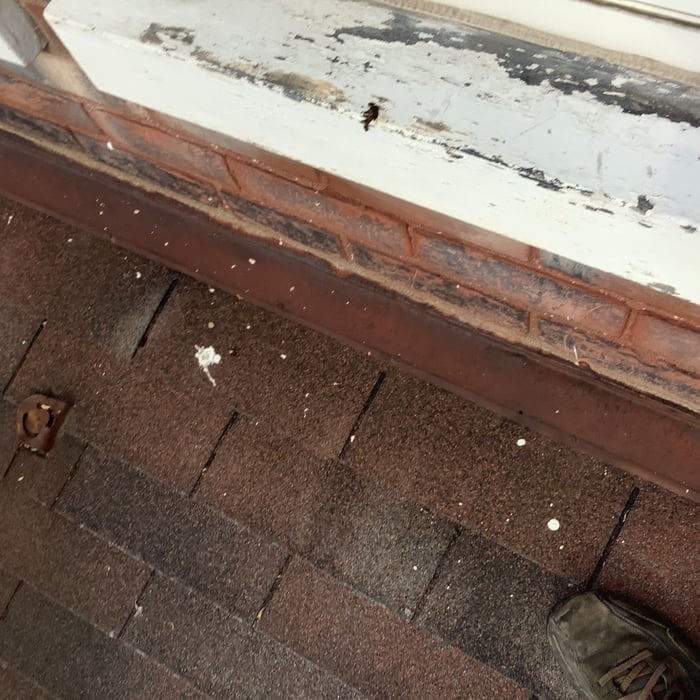
Water  tight seal for roof
Outside
Outside

+11

Response time1 day
Recommended by100%of homeowners
Avatar for The Ohio Home Inspections Co
The Ohio Home Inspections Co
4.0(
7
)

Serving Glendale, OH and surrounding areas

In business since 2003

Free estimates

Credit card accepted

"Kevin was very thorough, easy to work with, and provided an excellent report. He also continues to send monthly newsletters at no additional charge that have very helpful tips and information about home maintenance."
Additional Photos
Additional Photos
Recommended by71%of homeowners
Radon Detection and Reduction questions, answered by experts

The cost to replace a radon fan ranges from $300 to $600 for the fan itself, with installation adding an additional $200 to $500. Overall, the total cost for replacement can range from $500 to $1,100, depending on factors such as the fan model, home size, and local labor rates. If the fan is part of a larger radon mitigation system, the price may be higher.

No level of radon is technically safe, but since it is present everywhere, complete avoidance is impossible. The average radon level in homes across the United States is 1.3 picocuries per liter (pCi/L). The Environmental Protection Agency (EPA) recommends taking preventative measures if your home's radon levels are between 2 and 4 pCi/L or higher.

Keeping radon from getting into your home is much better than having to get rid of it once it's already indoors. While there may not be a way to fully prevent radon from getting into your home, there are things you can do to reduce the gas's ability to enter. 

Sealing foundation cracks and openings can help keep the gas from seeping inside. Improving air flow, such as by opening windows, can also be helpful. If you're building your home from scratch, talk to your contractor about using radon-resistant construction to keep the gas out.

Abatement includes sealing entry points and venting with systems that reduce radon levels below recommended EPA limits. It is handled by certified professionals.

Radon enters your home when warm air begins to rise and exits through the roof, creating a vacuum that pulls cooler air from under the foundation. Part of that air is radon, which is an invisible, odorless gas that develops naturally when radioactive particles are deep within the ground. Those particles usually come from decaying matter in soil and rocks.

The Glendale, OH homeowners’ guide to radon detection and reduction services

From average costs to expert advice, get all the answers you need to get your job done.