




Top-rated radon detection and reduction specialists.

Get matched with top radon detection and reduction specialists in Norwood, OH

Enter your zip and get matched with up to 5 pros

Need a pro for your radon detection and reduction project in Norwood, OH?

Select your specific project to find the pro for you.

Find Radon detection and reduction specialists in Norwood

Avatar for Tri-State Radon and Mold, Inc.
Tri-State Radon and Mold, Inc.
4.8(
66
)
Radon Gas - AbatementRadon Gas - Testing

Serving Norwood, OH and surrounding areas

In business since 2010

Free estimates

Warranties offered

"Andy from Tristate was a real professional. He was prompt, knowledgeable and the entire analysis was completed on time with an easy to understand report. We will use this company every 2 years to monitor radon. We could not be more pleased with Andy and Home Builder! John Seifert"
Recommended by98%of homeowners
Avatar for Simply Radon, LLC
Simply Radon, LLC
4.8(
11
)
Radon Gas - AbatementRadon Gas - Testing

Serving Norwood, OH and surrounding areas

In business since 2008

Free estimates

Credit card accepted

"Our radon system fan needed to be replaced and we were able to get that done the day after I talked to this company. Very quick and courteous service and didn't cost as much as we were anticipating."
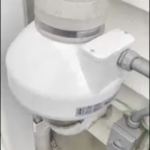
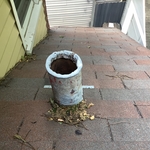
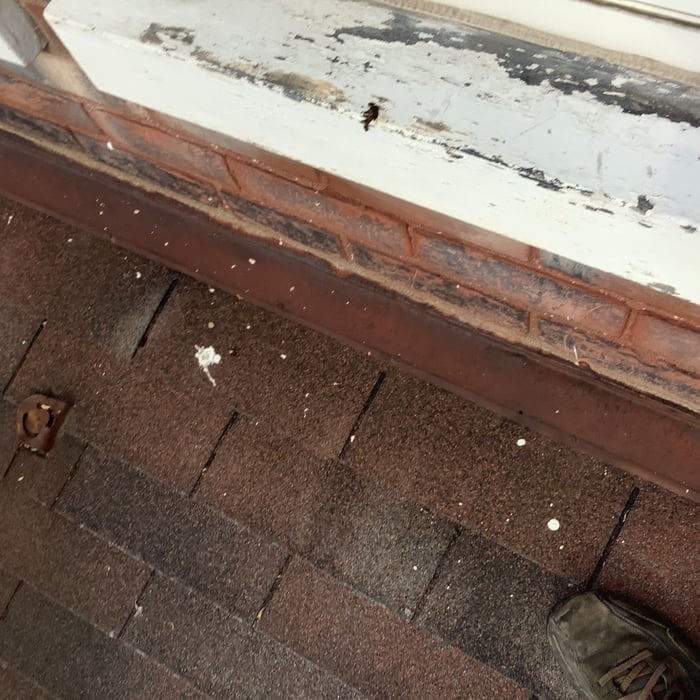
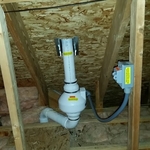
Inside
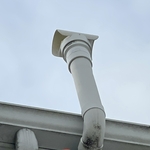
Roof top
Water  tight seal for roof
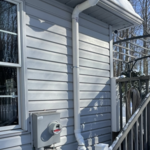
Outside
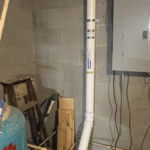
Outside

+11

Response time1 day
Recommended by100%of homeowners
Radon Detection and Reduction questions, answered by experts

The cost to replace a radon fan ranges from $300 to $600 for the fan itself, with installation adding an additional $200 to $500. Overall, the total cost for replacement can range from $500 to $1,100, depending on factors such as the fan model, home size, and local labor rates. If the fan is part of a larger radon mitigation system, the price may be higher.

No level of radon is technically safe, but since it is naturally present everywhere, it is impossible to avoid entirely. The average radon level in homes across the United States is 1.3 picocuries per liter (pCi/L). The Environmental Protection Agency (EPA) recommends taking action to reduce radon levels if your home's test results are between 2 and 4 pCi/L or higher.

Radon detection is crucial as prolonged exposure to radon gas, a leading cause of lung cancer, poses significant health risks in residential environments.

No level of radon is technically safe, but since it is present everywhere, complete avoidance is impossible. The average radon level in homes across the United States is 1.3 picocuries per liter (pCi/L). The Environmental Protection Agency (EPA) recommends taking preventative measures if your home's radon levels are between 2 and 4 pCi/L or higher.

Your radon fan needs to operate 24/7 to be effective. The only time the fan isn't operating is during its replacement. Radon levels in the home can increase within hours if the fan stops working or something obstructs the stack vent. Fortunately, radon systems require no downtime maintenance between fan changes.

The Norwood, OH homeowners’ guide to radon detection and reduction services

From average costs to expert advice, get all the answers you need to get your job done.