

Top-rated excavation pros.

Get matched with top excavation pros in Nelsonville, OH

Enter your zip and get matched with up to 5 pros

Need a pro for your excavation project in Nelsonville, OH?

Select your specific project to find the pro for you.

Find Excavation pros in Nelsonville

Avatar for K.C.UTILITY
K.C.UTILITY
New to Angi
Excavation - Major Grading or ReslopingLandscape - Minor Grading or ReslopingBuilding Site - Preparation and Clearing

Serving Nelsonville, OH and surrounding areas

Approved

In business since 2022

Free estimates

Emergency services offered

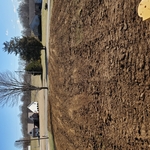
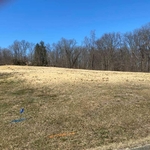
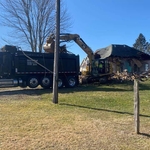
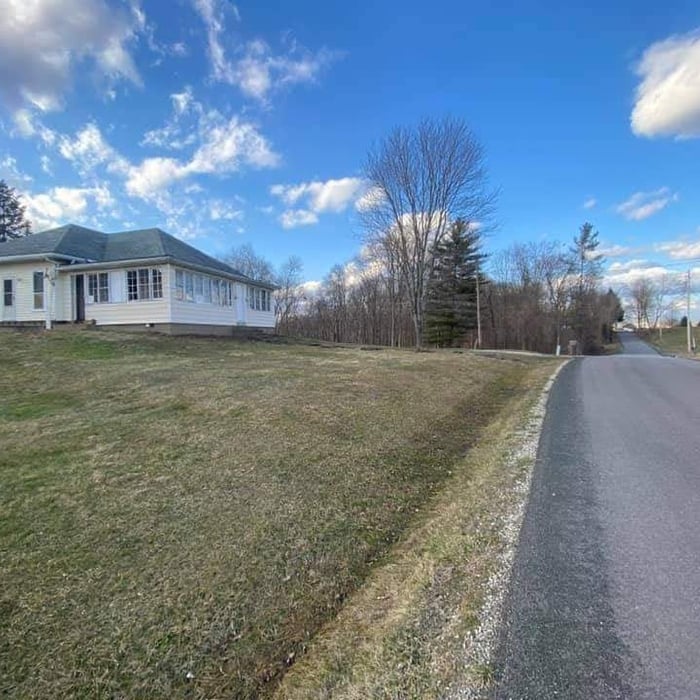
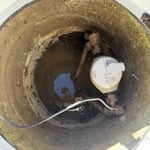
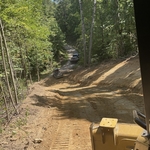
Hi my name is Cory Riley I?m a husband and a father of two boys, I started my company in 2023 I started out doing work for AT&T doing a lot of trench work and placing pipe. But I can offer many things such as land clearing, putting in new driveways, culverts, digging basements, pounds, or just simply digging a trench for placing pipe. I?ll go wherever the work is, I take pride in the work I do and love what I do, i treat every job as if I was doing it for myself. Hope to see you soon.

Gallery
Gallery
9 neighbors recently requested a quote
...
Showing 1-10 of 86
Excavating questions, answered by experts

The physical constraints of hand-drilling a well limit the depth you can achieve. Manually digging with picks and shovels may only lead to shallow wells of up to 60 feet in depth. To reach greater depths, you need more specialized equipment. The diameter of your well and the tools you’re using will determine how far down you can dig.

Trenching and boring are two distinct methods for installing underground utilities. Trenching involves digging a channel using equipment like an excavator, trencher, backhoe, or shovel. While it is a simpler process, it causes significant disruption to the surface, landscaping, and surrounding ecosystems.

Boring, also known as directional boring, is a less invasive alternative that uses a drill to create a tunnel for utility lines without disturbing the surface. This method is more precise and is ideal for installations that need to go underneath buildings, roads, or bodies of water. Although boring is less disruptive, it is generally more expensive than trenching.

Tree experts don’t advise against digging through tree roots, but instead encourage caution and consultation with a local arborist to make sure you don’t damage the tree’s structure or interrupt its water or nutrient intake. An arborist can recommend specific practices when digging and help prune the roots or dig a trench for utilities with a tool that can remove soil without touching the tree’s roots.

Professional installers often include a deep layer of crushed gravel under permeable pavers to allow more runoff to soak through into the soil below. Many installations will include multiple layers of gravel, with coarser aggregate at the base and finer aggregate that sits on top of that bottom layer. Above the gravel, you’ll often find coarse sand that helps reduce paver shifting over time. Some permeable paver designs include a water collection system set into the gravel layer to route runoff to a safe area for disposal.

A walk-behind trencher can cut through roots as long as they’re not too thick, making a project much easier than digging with a shovel and other hand tools. Assess your terrain and the number of trees in the surrounding area to determine if a walk-behind trencher will ease the job. Digging a trench by hand is much more time-consuming and labor-intensive. 

The Nelsonville, OH homeowners’ guide to excavation services

From average costs to expert advice, get all the answers you need to get your job done.