


Top-rated excavation pros.

Get matched with top excavation pros in Chauncey, OH

Enter your zip and get matched with up to 5 pros

Need a pro for your excavation project in Chauncey, OH?

Select your specific project to find the pro for you.

TRUSTED BY CHAUNCEY, OH HOMEOWNERS

  • Average homeowner rating star icon5
    Average homeowner rating
  • Verified reviews icon13
    Verified excavation services reviews

Find Excavation pros in Chauncey

Avatar for J&H Excavating, LLC
J&H Excavating, LLC
4.8(
11
)

Serving Chauncey, OH and surrounding areas

Approved

In business since 2021

Free estimates

Small jobs welcome

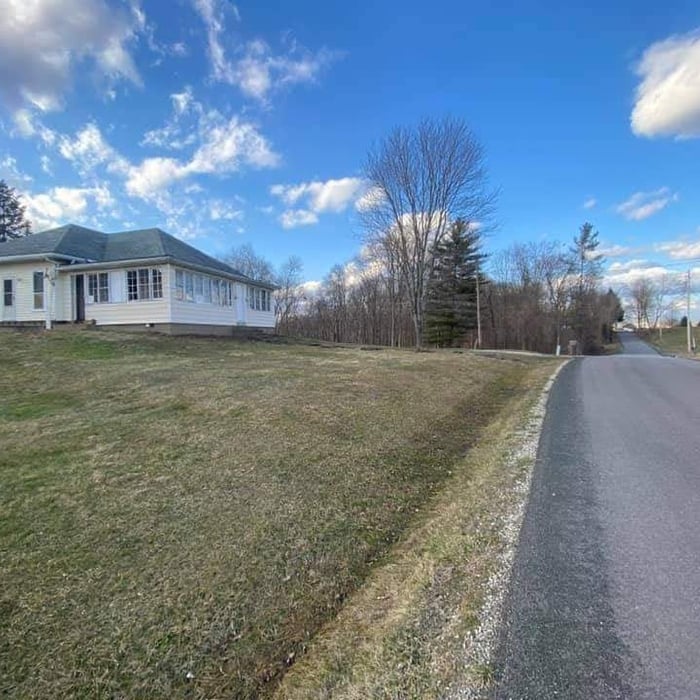
"Jeff and his company were wonderful. Contacted me when they had a cancellation and finished the work in a day. The driveway looks the best it ever has! I highly recommend them"
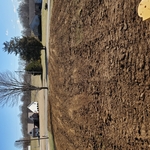
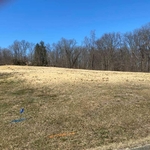
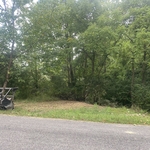
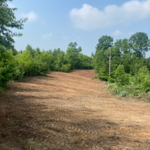
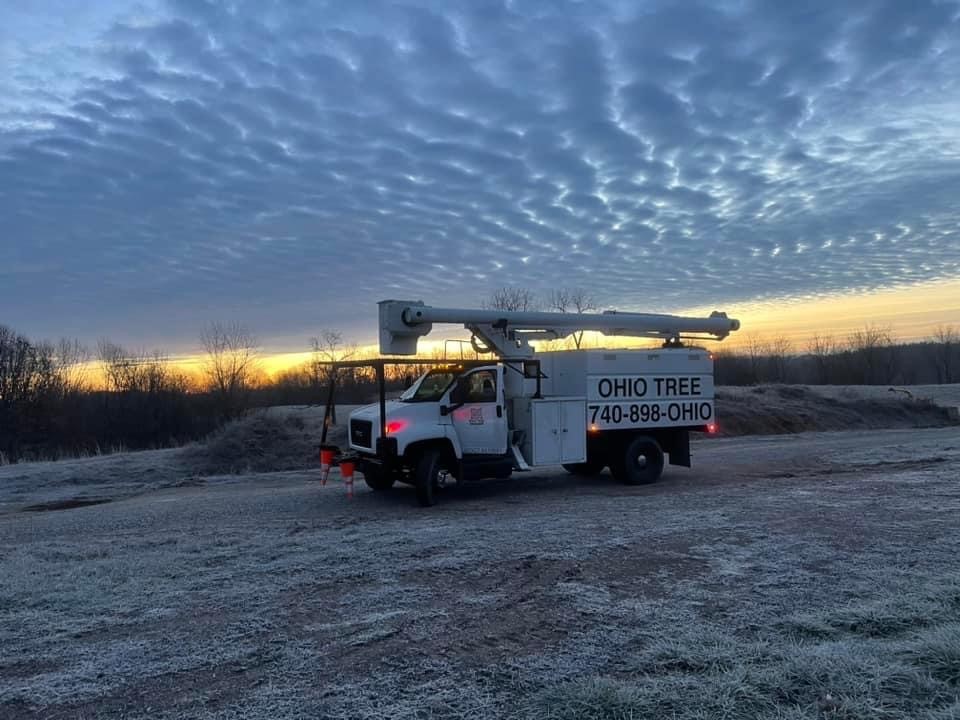
Building pad
Final Grade after all the debris was loaded out
seed, fertilized, and strawed
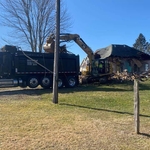
Demo
Demo

+9

Response time9 hrs
7 neighbors recently requested a quote
Recommended by100%of homeowners

...
Showing 1-10 of 77
Excavating questions, answered by experts

A trench that is less than 5 feet deep often doesn't require a protective system. Most residential trenches will not go this deep (the typical residential drainage trench is just 18 inches deep). In the event that an excavator needs to dig more than 5 feet beneath the surface, a protective system is required unless the excavation is in entirely stable rock.

Trenchers can dig holes as narrow as 4 inches or as wide as 4 feet. Check the specifications of the trencher you rent or buy to determine how wide it will cut into the landscape. Better yet, let the excavation company know how wide you’d like the trench to be, and they can help you choose the right trencher for the job (or do it for you).

Trenching is a specific kind of digging. Trenching means digging a depression in the earth that’s deeper than it is wide, often with heavy machinery. Digging refers to any kind of removal of earth in order to create a human-made depression, hole, or cut in the earth’s surface. You can dig with big tools or even with just a hand shovel.

Above ground pools are not buried in the ground. Typically, above ground pools are semi-permanent. One reason they’re more affordable is that you don’t have to dig for an inground pool and pour concrete or another material. However, you can choose to install a semi inground pool, which is a hybrid between the two.

There is no standard depth for burying a septic tank; they are typically buried anywhere from 4 inches to 4 feet underground. The final depth depends on several factors, including the depth of your main sewer line, the height of the bedrock, soil type, local regulations, and the property's landscape. If you plan to grow grass or plants over the tank, a depth of at least 4 to 6 inches is recommended. Deeper tanks can be more difficult to locate, but a septic professional can help find it for you.

The Chauncey, OH homeowners’ guide to excavation services

From average costs to expert advice, get all the answers you need to get your job done.