








Top-rated excavation pros.

Get matched with top excavation pros in Hamden, OH

Enter your zip and get matched with up to 5 pros

Need a pro for your excavation project in Hamden, OH?

Select your specific project to find the pro for you.

Find Excavation pros in Hamden

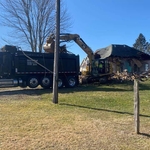
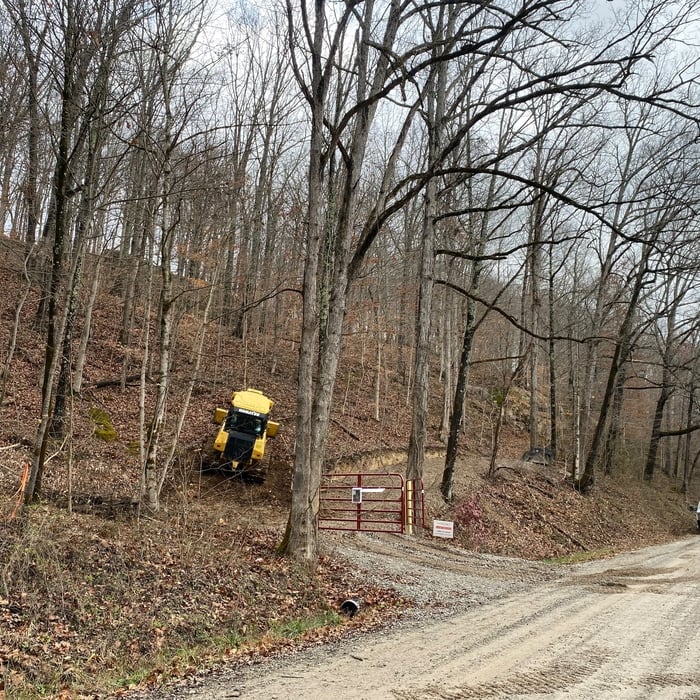
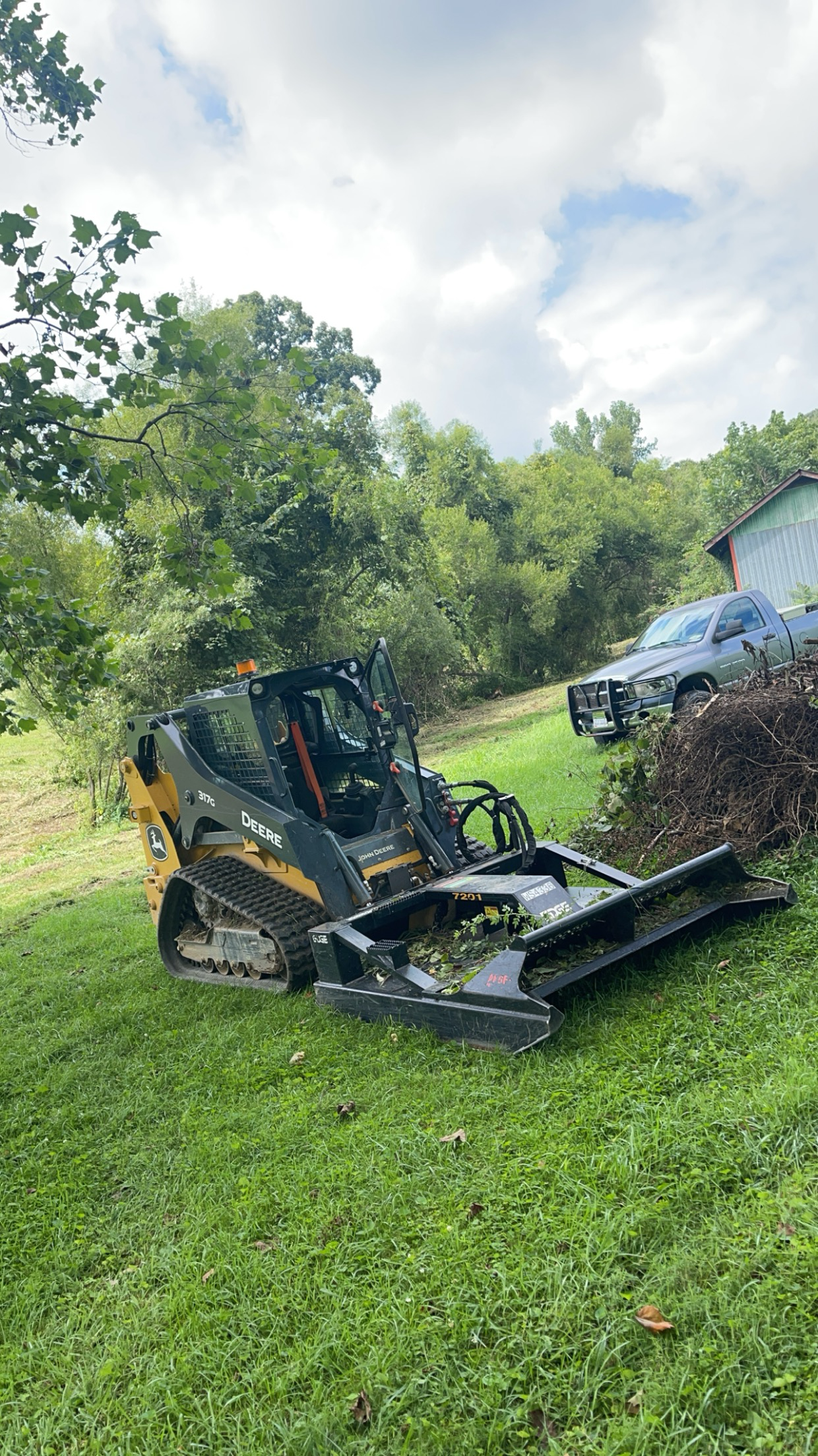
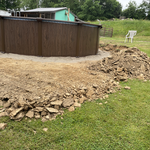
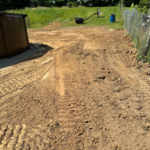
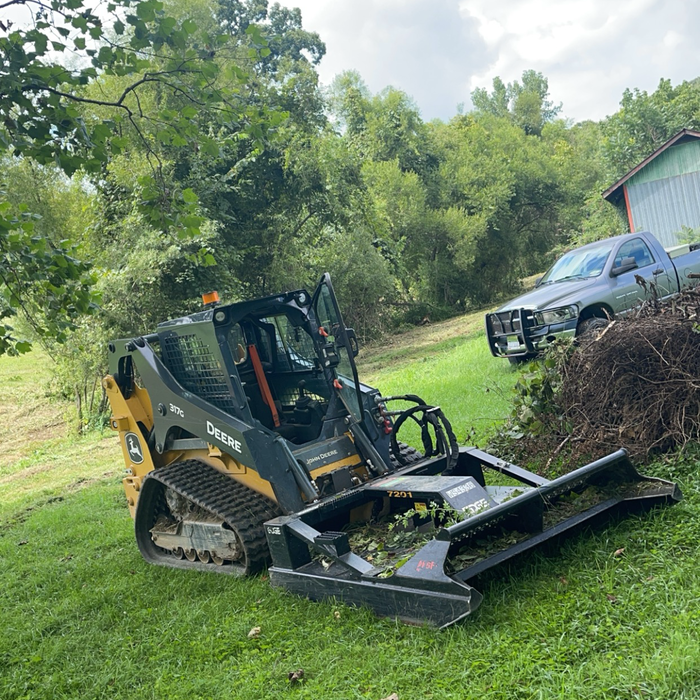
Ohio Valley Land Clearing
New to Angi
Building Site - Preparation and ClearingBuilding Site - Preparation and Clearing - For BusinessLandscape - Minor Grading or Resloping

Serving Hamden, OH and surrounding areas

Approved

Small jobs welcome

Offers commercial services

I specialize in land clearing and minor excavation, helping property owners turn raw land into usable space. With a strong work ethic and attention to detail, I handle each job efficiently and safely. From clearing brush to light excavation, I take pride in doing the job right and leaving customers with results they can rely on.

...
Showing 1-10 of 67
Excavating questions, answered by experts

There is no standard depth for burying a septic tank; they are typically buried anywhere from 4 inches to 4 feet underground. The final depth depends on several factors, including the depth of your main sewer line, the height of the bedrock, soil type, local regulations, and the property's landscape. If you plan to grow grass or plants over the tank, a depth of at least 4 to 6 inches is recommended. Deeper tanks can be more difficult to locate, but a septic professional can help find it for you.

It’s possible to transplant trees as tall as 50 feet when an experienced tree planting service uses the right equipment. However, a tree with a trunk larger than two or three inches in diameter needs to be handled by a professional in order to yield successful transplanting results. Consulting a tree planting professional is the best way to tell if your large tree can be safely transplanted.

There are several methods to hollow out a tree stump, and the best one depends on your tools, experience, and priorities. Common methods include using a chisel and hammer, a chainsaw, or burning.

  • Chisel and Hammer: This is often considered the easiest approach for those with limited tools or experience, though it is the most time-consuming.

  • Chainsaw: Using a chainsaw is the fastest method, but it comes with significant safety risks, especially for inexperienced users.

  • Burning: This can be an effective method, but it is not recommended unless you can first drill holes into the stump. Without holes, the stump will be difficult to light and may not burn completely through.

A power drill with at least a ⅜-inch diameter bit can make the job quicker and easier, regardless of the primary method. While you can use a chisel or chainsaw without a drill, it will require more time and effort. Always wear protective goggles and thick gloves, as splinters are an inevitable risk.

Prior to excavation, you should prepare the dig site and call 311 before you sign anything.

To get your site ready for excavation, you should move anything in the area that isn’t affixed to the land. You can save money on the excavation by removing hardscaping, including walkways, decks, concrete patios, and paver patios.

Before you carry out any digging, you should call 311 to confirm that there are no utility lines running through your excavation site. Skipping this step could lead to severe injury and property damage if your excavator hits a water, sewage, or gas line.

Digging out a basement takes anywhere from a few days to a few months. Most projects take at least two to five weeks, but it could take several months if you encounter obstacles. This project takes longer if you need to brace or raise your home before the excavation. Digging out a basement in new construction can take as little as three days.

The Hamden, OH homeowners’ guide to excavation services

From average costs to expert advice, get all the answers you need to get your job done.