


Top-rated deck maintenance specialists.

Get matched with top deck maintenance specialists in Nelsonville, OH

Enter your zip and get matched with up to 5 pros

Need a pro for your deck maintenance project in Nelsonville, OH?

Select your specific project to find the pro for you.

Find Deck maintenance specialists in Nelsonville

Possum Works
New to Angi

Serving Nelsonville, OH and surrounding areas

Approved

I have been in the industry for over 35 years and have ran my business for the past 15 years. I can provide references for every job I am tasked with. I have two employees who are professional in their appearance and work. We strive to make every encounter a pleasant and positive experience that will lead to a good reference in the future. We are punctual and have great communication skills with our clients. We look forward to helping our clients make their desires become a reality.

Avatar for Bazell Maintenance & Remodeling
Bazell Maintenance & Remodeling
3.9(
22
)

Serving Nelsonville, OH and surrounding areas

In business since 1996

Free estimates

Emergency services offered

"Initiall call returned in one day  and service was completed as promised.  crew of carpenters was excellent and fun to have working... certainly saved us  from a lot of labor that we were not quite willing to do ourselves.

UPDATE-6/6/15:

We used this company in the past for a roofing job that has since gone wrong, without appropriate follow-up or resolution from Bazell Maintenance & Remodeling. The door portion of the job in this review was originally very good, but as of now, you can hardly get the door open without yanking the knob off. I have yet to receive any resolution on this issue, either."
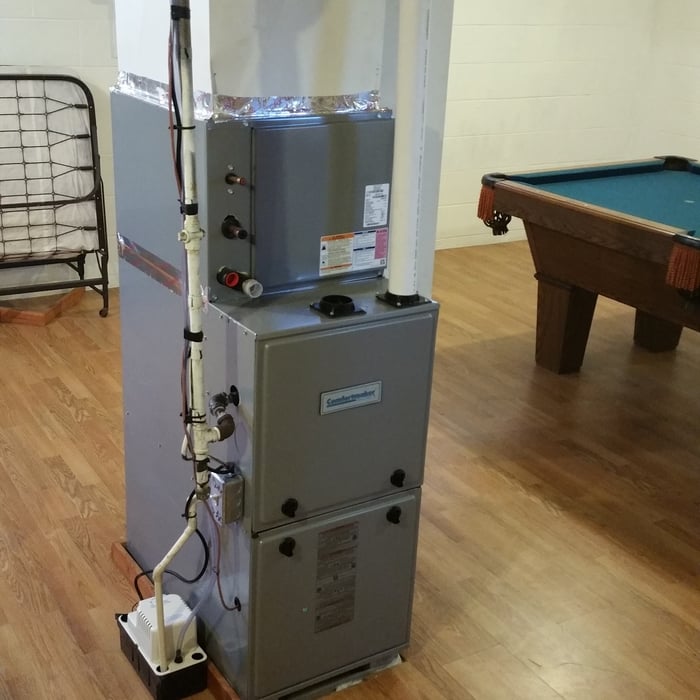
Additional Photos
Additional Photos
Additional Photos
Recommended by76%of homeowners

Showing 1-10 of 34
Deck Maintenance questions, answered by experts

Both deck footings and deck posts help prop up your deck. However, footings are the bottommost parts of a deck that touch the ground. They’re usually made of concrete. Posts are pieces of wood that attach to the top of the footings with brackets. They run upwards and connect to the underside of your deck to support its weight.

PVC decking tends to be cooler than composite because the material is less dense and absorbs less heat. However, it depends on the deck’s color. A dark-colored PVC deck may run hotter than a light-colored composite deck. If you’re concerned about your deck getting too hot, it’s best to stick to a light color such as beige or gray.

Ideally, a gate should be able to swing both in and out. However, if it can only open in one direction, it is generally best for it to swing inward. This is often the safest option, especially for deck gates near steps, as you'll want the gate to swing away from the stairs. An inward swing also prevents the gate from opening into a public space, like a sidewalk, and can be more convenient when carrying heavy items like a wheelbarrow into a garden.

There are exceptions, however. The layout of your property may require a different approach. For example, if your property is on a slope, the gate may not be able to swing inward. You should also ensure the gate can open fully without colliding with any objects or blocking access to other areas. For a backyard garden gate where public access isn't a concern, the direction it swings is largely a matter of personal preference. Finally, always check your local building codes, as they may have specific requirements for which way a gate must swing.

Yes, an elevated deck can increase a home's resale value. Homeowners can expect a 65% return on investment from the cost of a second-story deck installation. For example, if you spend $5,000 to install a second-story deck, that deck will add $3,250 to the value of your home.
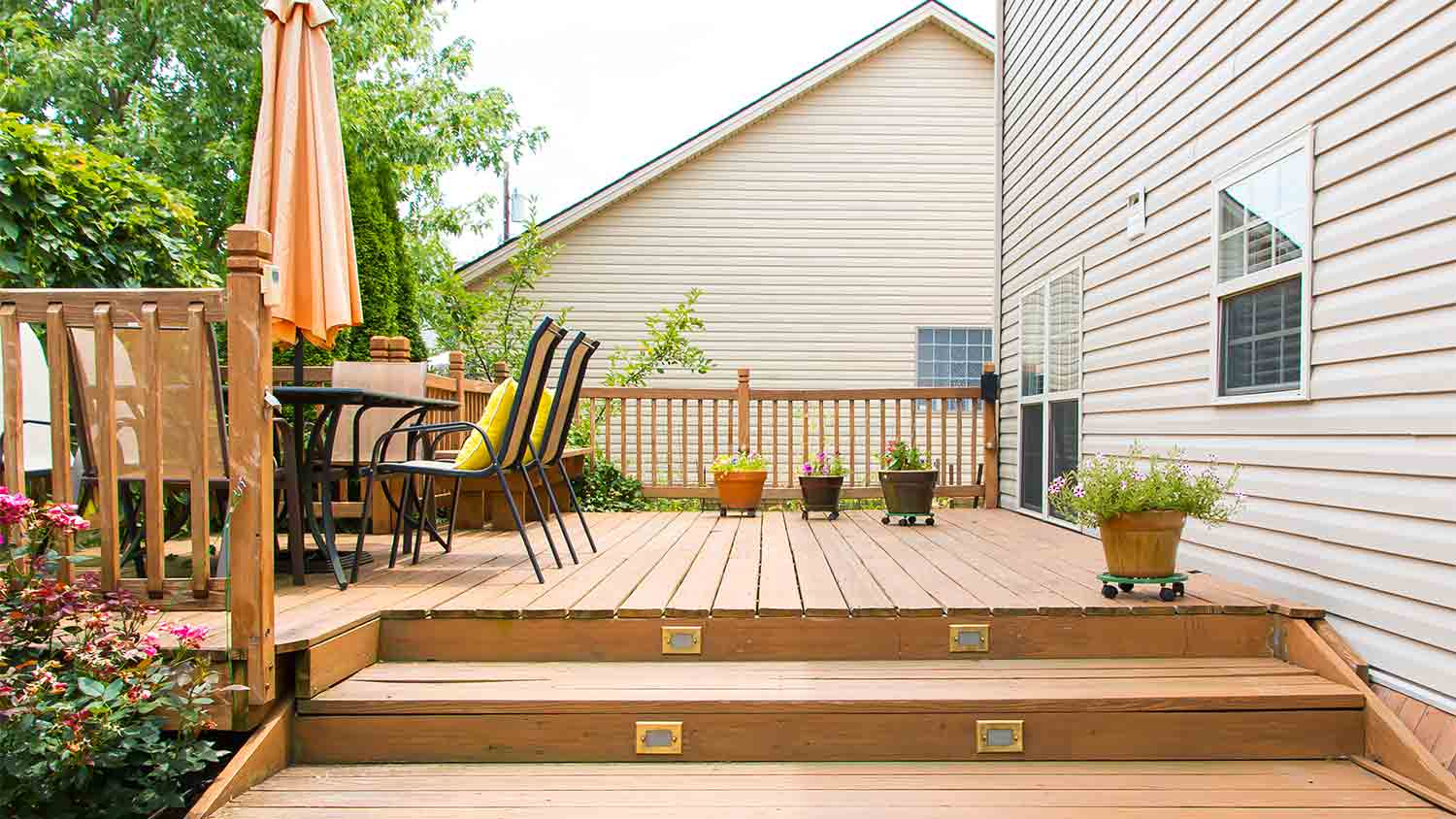
Deck stairs should have at least three stringers rather than two. The recommended minimum width for stairs is 36 inches, and the International Association of Certified Home Inspectors recommends at least three cut stringers to provide sufficient support on wood decking stairs of this width. Generally, stringers should be a maximum of 16 inches apart for wood decking and 12 inches apart for more flexible composite decking.

The Nelsonville, OH homeowners’ guide to deck maintenance services

From average costs to expert advice, get all the answers you need to get your job done.