
Top-rated excavation pros.

Get matched with top excavation pros in The Plains, OH

Enter your zip and get matched with up to 5 pros

Need a pro for your excavation project in The Plains, OH?

Select your specific project to find the pro for you.

TRUSTED BY THE PLAINS, OH HOMEOWNERS

  • Average homeowner rating star icon5
    Average homeowner rating
  • Verified reviews icon16
    Verified excavation services reviews

Find Excavation pros in The Plains

Avatar for K.C.UTILITY
K.C.UTILITY
New to Angi
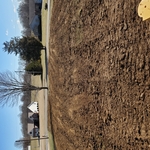
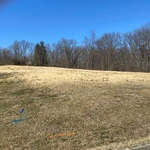
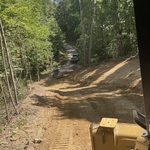
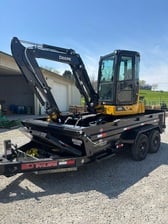
Excavation - Major Grading or ReslopingLandscape - Minor Grading or ReslopingBuilding Site - Preparation and Clearing

Serving The Plains, OH and surrounding areas

Approved

In business since 2022

Free estimates

Emergency services offered

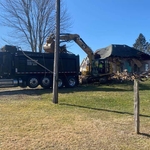
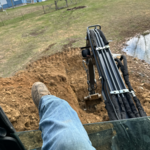
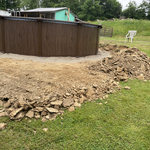
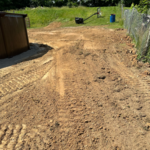
Hi my name is Cory Riley I?m a husband and a father of two boys, I started my company in 2023 I started out doing work for AT&T doing a lot of trench work and placing pipe. But I can offer many things such as land clearing, putting in new driveways, culverts, digging basements, pounds, or just simply digging a trench for placing pipe. I?ll go wherever the work is, I take pride in the work I do and love what I do, i treat every job as if I was doing it for myself. Hope to see you soon.

Gallery
Gallery
11 neighbors recently requested a quote
Ohio Valley Land Clearing
New to Angi
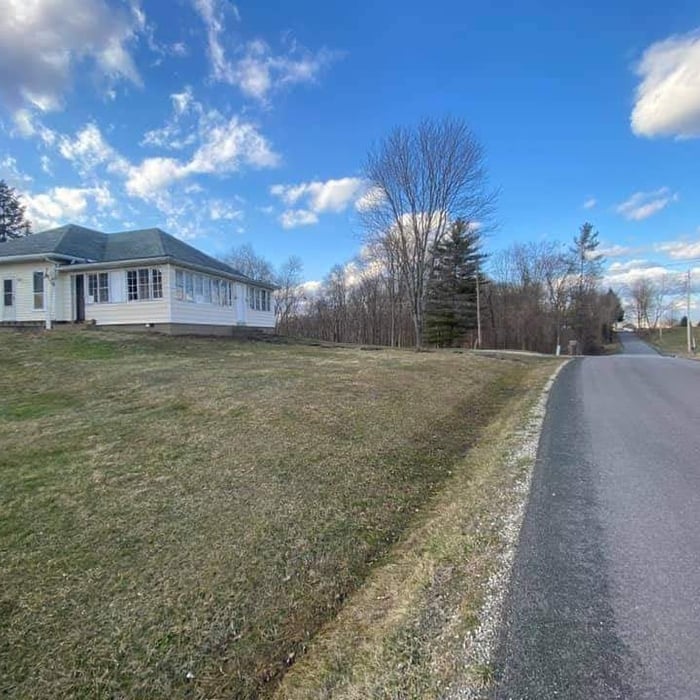
Building Site - Preparation and ClearingBuilding Site - Preparation and Clearing - For BusinessLandscape - Minor Grading or Resloping

Serving The Plains, OH and surrounding areas

Approved

Small jobs welcome

Offers commercial services

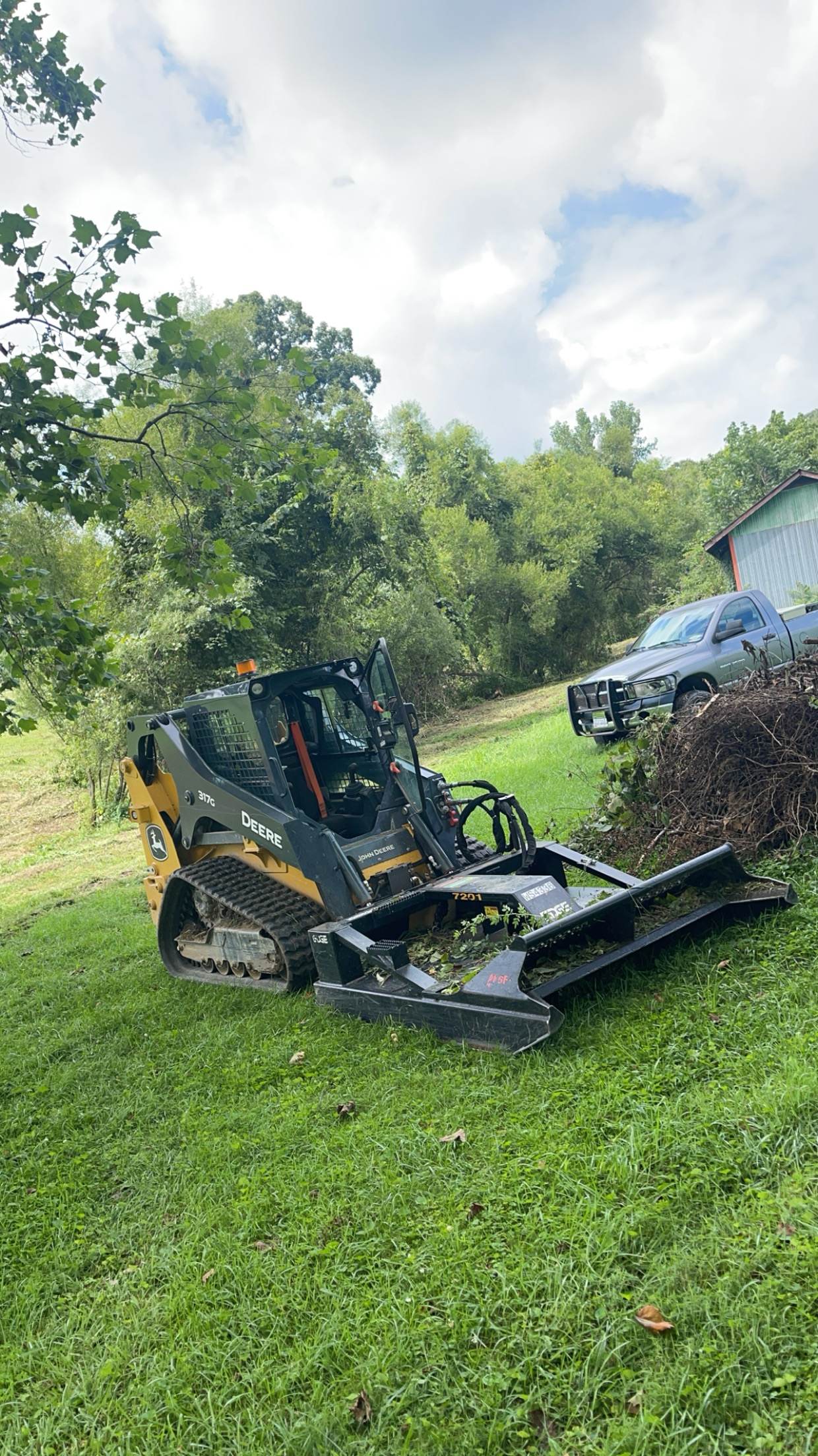
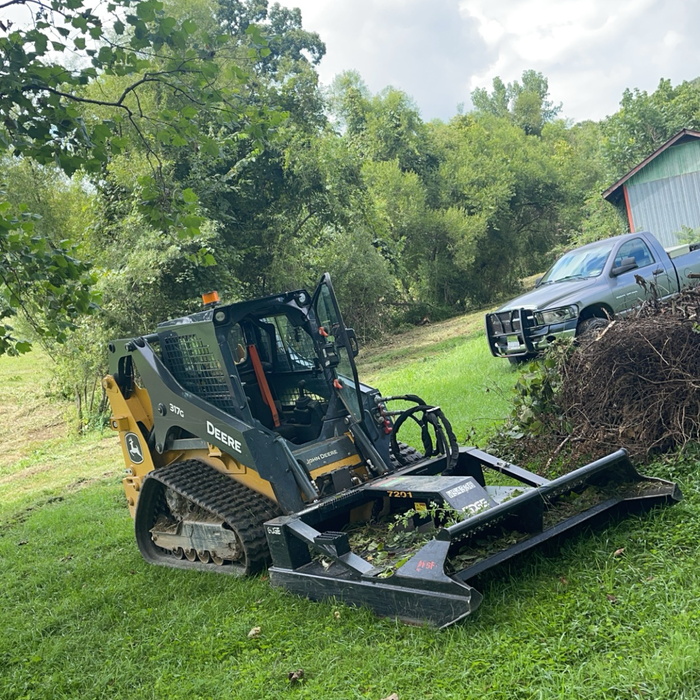
I specialize in land clearing and minor excavation, helping property owners turn raw land into usable space. With a strong work ethic and attention to detail, I handle each job efficiently and safely. From clearing brush to light excavation, I take pride in doing the job right and leaving customers with results they can rely on.

...
Showing 1-10 of 76
Excavating questions, answered by experts

To locate an underground downspout, you should start by identifying where the above ground gutter drains. Look for an entry point, such as a pipe or elbow leading into the ground. Follow the surface path for signs like depressions, landscaping disruptions, or wet areas after rain. You can use a metal detector or plumber’s snake to trace the pipe underground. For deeper pipes, a professional locator tool or camera inspection may be necessary. Visual markers or utility maps can also guide the search.

There are several methods to hollow out a tree stump, and the best one depends on your tools, experience, and priorities. Common methods include using a chisel and hammer, a chainsaw, or burning.

  • Chisel and Hammer: This is often considered the easiest approach for those with limited tools or experience, though it is the most time-consuming.

  • Chainsaw: Using a chainsaw is the fastest method, but it comes with significant safety risks, especially for inexperienced users.

  • Burning: This can be an effective method, but it is not recommended unless you can first drill holes into the stump. Without holes, the stump will be difficult to light and may not burn completely through.

A power drill with at least a ⅜-inch diameter bit can make the job quicker and easier, regardless of the primary method. While you can use a chisel or chainsaw without a drill, it will require more time and effort. Always wear protective goggles and thick gloves, as splinters are an inevitable risk.

Slab foundations are more affordable than crawl spaces because they require minimal excavation, as the slab sits directly on the ground or on footers that only sink a few feet into the ground. Crawl spaces require excavation of the entire footprint of the home to several feet below the surface. Not only does that mean higher labor costs, but more materials are necessary for the concrete foundation walls.

In the United States, a depth of 36 inches (three feet) for underground water lines is the accepted industry standard. This depth varies from location to location based on local conditions. In areas with colder winters, they may be buried deeper to prevent frozen well water pipes : This is usually at least six inches below the frost level. The International Plumbing Code calls for a minimum of 12 inches below grade.

Yes, professional installations include trenching or borehole drilling required for ground loops.

The The Plains, OH homeowners’ guide to excavation services

From average costs to expert advice, get all the answers you need to get your job done.