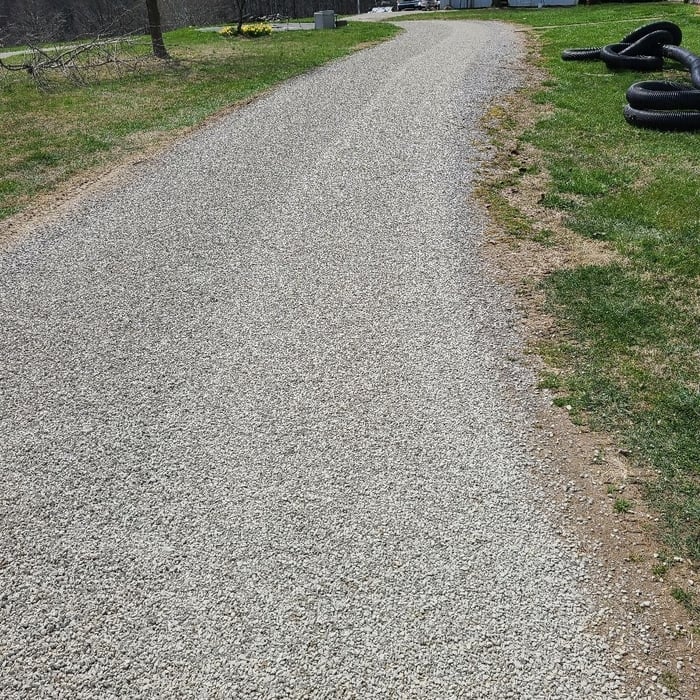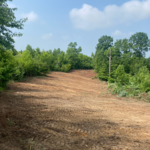


Top-rated excavation pros.

Best excavation pros near Adelphi, OH

Enter your zip and get matched with up to 5 pros

Need a pro for your excavation project in Adelphi, OH?

Select your specific project to find the pro for you.

TRUSTED BY ADELPHI, OH HOMEOWNERS

  • Average homeowner rating star icon4.4
    Average homeowner rating
  • Verified reviews icon14
    Verified excavation services reviews

Top-Rated Excavation pros in Adelphi - Updated Nov 2026

Avatar for Yeet Excavating
Yeet Excavating
5.0(
5
)
Building Site - Preparation and ClearingExcavation - Major Grading or Resloping

Serving Adelphi, OH and surrounding areas

Approved

Super Service Award Winner

In business since 2012

Free estimates

Credit card accepted

"From start to finish Yeet Excavating was professional, friendly, and knowledgeable. I had a few low spots in my yard where I needed graded out for the barn I wanted to build. Clay came out to my house and walked me step by step about the whole process. He was able to answer every question I had about the completion of the job. Yeet excavation finished faster than anticipated and left my yard looking amazing. I rate them 10/10."
Response time8 hrs
2 neighbors recently requested a quote
Recommended by60%of homeowners
Avatar for Tong's Total Site Services
Tong's Total Site Services
5.0(
3
)
Building Site - Preparation and ClearingBuilding Site - Preparation and Clearing - For BusinessExcavation - Major Grading or Resloping+1 more

Serving Adelphi, OH and surrounding areas

Approved

In business since 2022

Free estimates

Customers say: Quick response

"It was a wonderful experience he did fantastic work he actually did more than I expected a very nice person I had full confidence in him and he did not disappoint me. I will definitely keep him in my phonebook and he will be who I call when I need more work done without a doubt or hesitation."
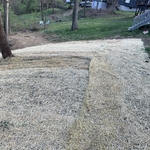
Regraded rear of yard
Response time2 days
3 neighbors recently requested a quote
Recommended by100%of homeowners
...
Showing 1-10 of 101
Excavating FAQs, answered by experts

There are many ways to cut through roots when digging, especially if your trencher doesn’t seem to be removing the roots. First, use a shovel to expose the roots. Then, use gardening shears to clear out smaller roots or a reciprocating saw to remove larger plant roots. If you plan on keeping the plant, avoid cutting any roots over 2 inches thick.

Sewer lines can be buried anywhere from 18 inches to 8 feet deep, with a common average depth between 18 and 30 inches. The exact depth depends on local factors like climate and soil type. In colder regions, pipes must be buried deeper (below the frost line) to prevent freezing, sometimes as deep as 8 feet. The digging depth can also impact the cost of sewer line replacement. To find the specific depth for your property, you can check the building plans for your system, which should be on file with your city or local sanitation department since permits are required for installation.

After you successfully remove your boulder, you have a few options for what to do to get rid of it. You can rent a dumpster if your yard has many boulders or if you’re planning a larger project. You can even save the boulder and reuse it elsewhere on your property to save on landscaping costs. A few ideas include using the boulder as a natural, abstract statue, breaking it into smaller pieces to line your garden bed, or offering it to a landscaping company that could reuse it for another project.

Professional installers often include a deep layer of crushed gravel under permeable pavers to allow more runoff to soak through into the soil below. Many installations will include multiple layers of gravel, with coarser aggregate at the base and finer aggregate that sits on top of that bottom layer. Above the gravel, you’ll often find coarse sand that helps reduce paver shifting over time. Some permeable paver designs include a water collection system set into the gravel layer to route runoff to a safe area for disposal.

Septic drain lines (or leach lines) are typically buried between 18 and 36 inches underground, and should be at least 6 inches below the surface. These pipes are perforated and surrounded by filtering materials like sand or gravel. Burying the lines at this depth helps minimize odors and allows bacteria and other biological processes in the soil to effectively treat the wastewater. Burying lines too close to the surface can cause issues unless the soil is very compact and stable.

The Adelphi, OH homeowners’ guide to excavation services

From average costs to expert advice, get all the answers you need to get your job done.