



Top-rated excavation pros.

Get matched with top excavation pros in Junction City, OH

Enter your zip and get matched with up to 5 pros

Need a pro for your excavation project in Junction City, OH?

Select your specific project to find the pro for you.

TRUSTED BY JUNCTION CITY, OH HOMEOWNERS

  • Average homeowner rating star icon4.4
    Average homeowner rating
  • Verified reviews icon17
    Verified excavation services reviews

Find Excavation pros in Junction City

Avatar for J&H Excavating, LLC
J&H Excavating, LLC
4.8(
11
)

Serving Junction City, OH and surrounding areas

Approved

In business since 2021

Free estimates

Small jobs welcome

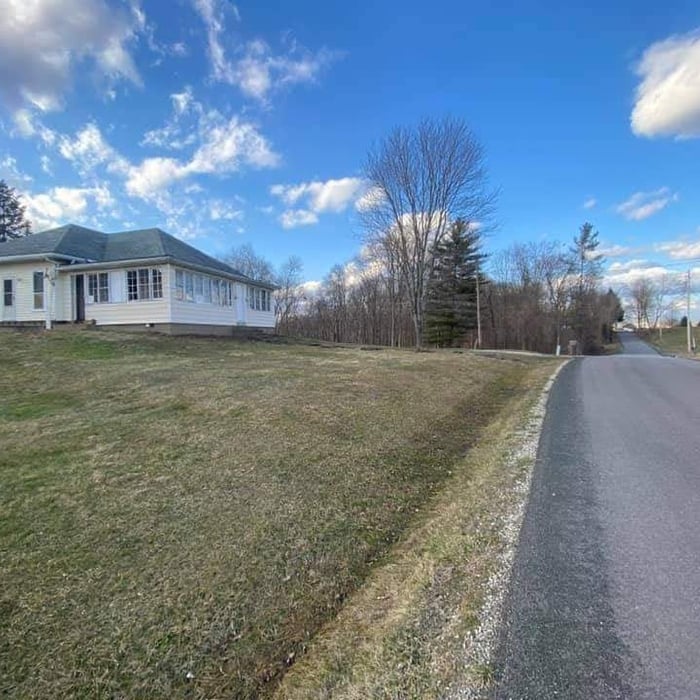
"Jeff and his company were wonderful. Contacted me when they had a cancellation and finished the work in a day. The driveway looks the best it ever has! I highly recommend them"
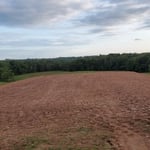
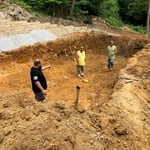
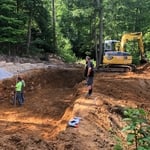
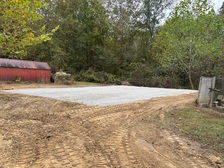
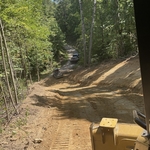
Building pad
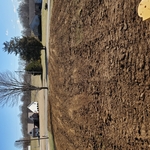
Final Grade after all the debris was loaded out
seed, fertilized, and strawed
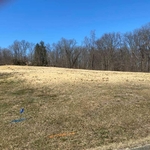
Demo
Demo

+9

Response time9 hrs
8 neighbors recently requested a quote
Recommended by100%of homeowners
Avatar for Level-Up Excavation
Level-Up Excavation
5.0(
1
)

Serving Junction City, OH and surrounding areas

Approved

Free estimates

Emergency services offered

Small jobs welcome

"Alan was on time, very pleasant,respectful of my property, took great care to conform to my specifications, and did a good job. He cleaned up his work site when finished. In this age of slip shod workers, he was a refreshing and welcomed contractor. Thanks, Alan!"
Avatar for IW Landscaping
IW Landscaping
5.0(
5
)

Serving Junction City, OH and surrounding areas

Approved

In business since 2024

Free estimates

Warranties offered

"My Pro was very good. He came out and gave me a quote (which I thought was reasonable. I wasn’t home when they got started. They were in the cleanup stage. Had one branch I wanted trimmed a little more, done no problem. They were great."
Logo
...
Showing 1-10 of 106
Excavating questions, answered by experts

In most areas, you will need a permit for excavation work, even for projects that only involve grading or yard leveling. Permit requirements depend on your local government and the scope of the project, but they are especially common for significant digging or work that could affect utilities or public property. These permits help protect the local topography and prevent drainage issues. An experienced excavation company will typically know whether permits are needed and can often handle the process of pulling and closing them for you. You can also verify permit requirements by contacting your local building department and describing your project.

Digging a bush up by the roots is the most natural DIY method for removing a bush stump. Start by identifying the shrub type and revealing its roots. Cut the shrub to its base and loosen the soil, ensuring no utility lines are nearby. Optionally, treat the base with herbicide, then dig around the roots and cut a circle around the shrub using various tools. Dig a trench, cut the base of the root ball, and finally fill the hole to prevent regrowth. This thorough process ensures complete removal without damaging surrounding areas.

The best type of soil to build on is a mixture of sand and clay, known as loam soil. Loam soil has the best combination of these soil types to build a foundation on. The clay particles help with water retention, so it won’t erode like sandy soil might, and the sandy particles help with drainage, so you won’t see unsafe soil expansion or have an increased risk of leaks from water sitting against your foundation.

Hard soil could be a sign of overly dry dirt, either from poor drainage or drought. It's important to test the nutrient levels, density, and drainage capacity of your soil to see if it's absorbing water properly. Begin by adding a light layer of water and observing how long the soil retains moisture. If you experience a good deal of runoff, you may need to aerate your lawn, apply a wetting agent, or hire a professional for a closer look.

Trenching and boring are two distinct methods for installing underground utilities. Trenching involves digging a channel using equipment like an excavator, trencher, backhoe, or shovel. While it is a simpler process, it causes significant disruption to the surface, landscaping, and surrounding ecosystems.

Boring, also known as directional boring, is a less invasive alternative that uses a drill to create a tunnel for utility lines without disturbing the surface. This method is more precise and is ideal for installations that need to go underneath buildings, roads, or bodies of water. Although boring is less disruptive, it is generally more expensive than trenching.

The Junction City, OH homeowners’ guide to excavation services

From average costs to expert advice, get all the answers you need to get your job done.