

Top-rated excavation pros.

Best excavation pros near Roseville, OH

Enter your zip and get matched with up to 5 pros

Need a pro for your excavation project in Roseville, OH?

Select your specific project to find the pro for you.

Top-Rated Excavation pros in Roseville - Updated Nov 2026

Avatar for CM Dirtworks
CM Dirtworks
5.0(
2
)
Building Site - Preparation and ClearingBuilding Site - Preparation and Clearing - For BusinessExcavation - Major Grading or Resloping+2 more

Serving Roseville, OH and surrounding areas

Approved

In business since 2025

Free estimates

Small jobs welcome

"I hired Cole McPeek to do some minor grading, spreading new topsoil and seeding within my backyard area. Cole was easy to work with and handled my request very professionally. He kept in contact through the scheduling process and completed the work in a professional and timely manner. He also followed up to make sure I was happy with the results. I am happy to recommend him for this type of work. Thanks again Cole for a job well done! Gary Davis"
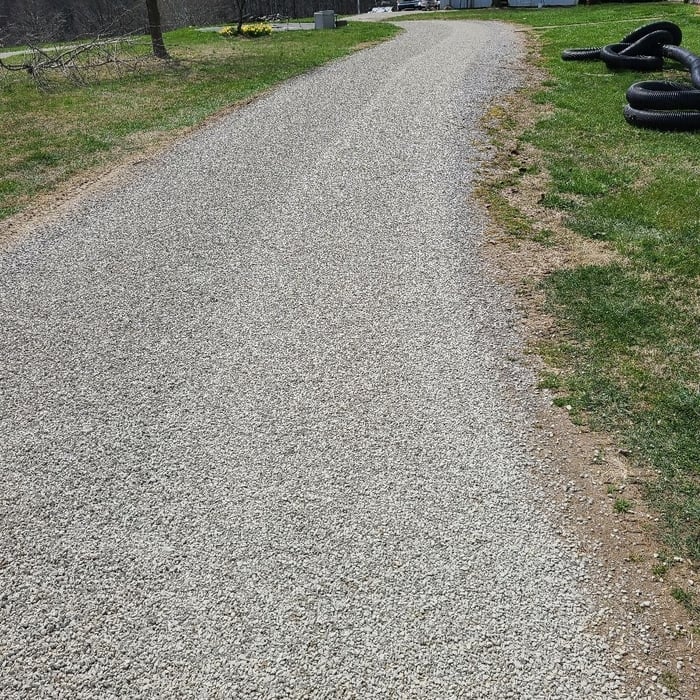
Gravel
Harley Rake
1 neighbors recently requested a quote
...
Showing 1-10 of 104
Excavating FAQs, answered by experts

Directional drilling is complex and requires training to use the advanced machinery. It can be challenging to monitor the position of the drill since there’s no direct line of sight. Directional drilling can also be more expensive with a cost of $10 to $30 per linear foot compared to $5 to $12 per linear foot for trenching. 

Consultation with the local government helps identify necessary permits, avoid project delays or legal issues, and protect project integrity.

A joint utility trench, or joint trench, is a long, buried ditch on a property that contains two or more utility lines rather than running the lines in multiple trenches. Some utilities, like gas and electric or electric and communication lines, are better suited to joint trenching, while others, like water and sewer, are not allowed to be in the same trench.

You can bury underground electrical wire six inches deep—but only if you use a rigid metal electrical conduit. For rigid, non-metallic conduits, bury the wire at least 12 inches deep. If using an underground feeder cable rated for direct burial, you'll need to place it at least 18 inches deep, as it has no conduit for extra protection.

If you don’t wish to dig it out and convert it into a finished basement, you can still encapsulate your crawl space to protect it from damage for an average cost of $5,500. Finishing a crawl space beyond this isn’t really worthwhile, as the low ceilings mean you won’t be able to use the area as living space.

The Roseville, OH homeowners’ guide to excavation services

From average costs to expert advice, get all the answers you need to get your job done.