




Top-rated excavation pros.

Get matched with top excavation pros in Shawnee, OH

Enter your zip and get matched with up to 5 pros

Need a pro for your excavation project in Shawnee, OH?

Select your specific project to find the pro for you.

Find Excavation pros in Shawnee

Avatar for SITE PREPS & MORE LLC
SITE PREPS & MORE LLC
5.0(
3
)
Excavation - Major Grading or ReslopingLandscape - Minor Grading or ReslopingBuilding Site - Preparation and Clearing

Serving Shawnee, OH and surrounding areas

Approved

In business since 2021

Free estimates

Customers say: Quick response

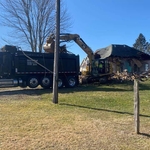
"Site Prep was great to work with. They worked around our schedule and communication was great. They were punctual and made sure to keep our yard safe from the bobcat. They removed our shed in a timely manner and made sure they cleaned up thoroughly. We are very pleased with the overall results."
Response time7 hrs
3 neighbors recently requested a quote
Recommended by33%of homeowners

...
Showing 1-10 of 91
Excavating questions, answered by experts

No, a ditch isn’t a trench. A ditch is an open, relatively shallow channel that’s carved out of the ground and used for drainage purposes. In contrast, a trench is a deeper excavation that’s entirely underground. Trenches have many uses, including gas lines, sewage systems, and electrical wiring. Unlike trenches, ditches don’t get filled back in with dirt after they’re dug.

Trenches are typically 12 to 24 inches deep and 8 inches wide. However, the required depth depends on the specific project and local ordinances. For example, a French drain may need to be 18 inches deep, while a water pipe might require a depth of 24 inches and a drainage pipe 36 inches. Your city or county may have specific regulations, so it's wise to consult with an excavation professional to determine the correct depth for your project.

To locate an underground downspout, you should start by identifying where the above ground gutter drains. Look for an entry point, such as a pipe or elbow leading into the ground. Follow the surface path for signs like depressions, landscaping disruptions, or wet areas after rain. You can use a metal detector or plumber’s snake to trace the pipe underground. For deeper pipes, a professional locator tool or camera inspection may be necessary. Visual markers or utility maps can also guide the search.

As a general rule, the protected area should be about 1½ times as wide as the canopy of the tree’s leaves. This digging measurement can vary by tree species and the age of the tree. Of course, that can be a lot of fencing for larger trees, which is why our first step is about making difficult decisions on which trees to save.

Yes, you can excavate in the winter, but it might make the job harder. Frozen ground is harder to dig, and snow or ice can make the work site more hazardous. A contractor may need special equipment and techniques, such as ground-thawing methods, to break through frozen soil. Although winter excavation is possible, it may take longer and be more costly than excavating during warmer months.

The Shawnee, OH homeowners’ guide to excavation services

From average costs to expert advice, get all the answers you need to get your job done.