

Top-rated radon detection and reduction specialists.

Best radon detection and reduction specialists near Leesburg, OH

Enter your zip and get matched with up to 5 pros

Need a pro for your radon detection and reduction project in Leesburg, OH?

Select your specific project to find the pro for you.

Top-Rated Radon detection and reduction specialists in Leesburg - Updated Nov 2026

Avatar for Ohio Radon Services, LLC
Ohio Radon Services, LLC
4.8(
26
)
Radon Gas - AbatementRadon Gas - Testing

Serving Leesburg, OH and surrounding areas

Approved

In business since 2020

Free estimates

Emergency services offered

"Highly recommend. Elijah M was very professional, thorough in his explanations, and always on time. He installed a radon reduction system in our home and walked us through the entire process. We knew everything that was happening and how everything would work before he left. He also tested the system and explained how the test worked when he came back to check the radon levels. We are very happy with the service provided and will recommend Ohio Radon Services to anyone."
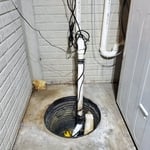
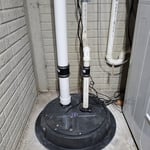
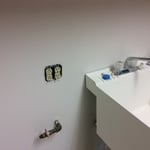
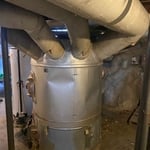
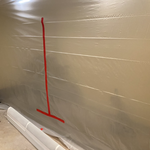
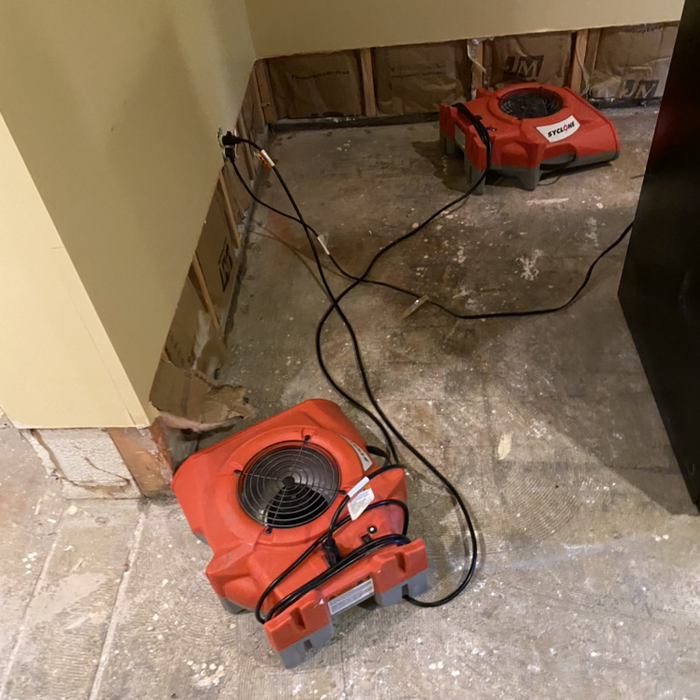
Before Sump Cover Install
After Sump Pit Cover Install
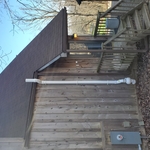
Exterior Radon System
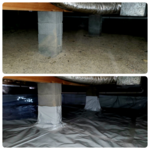
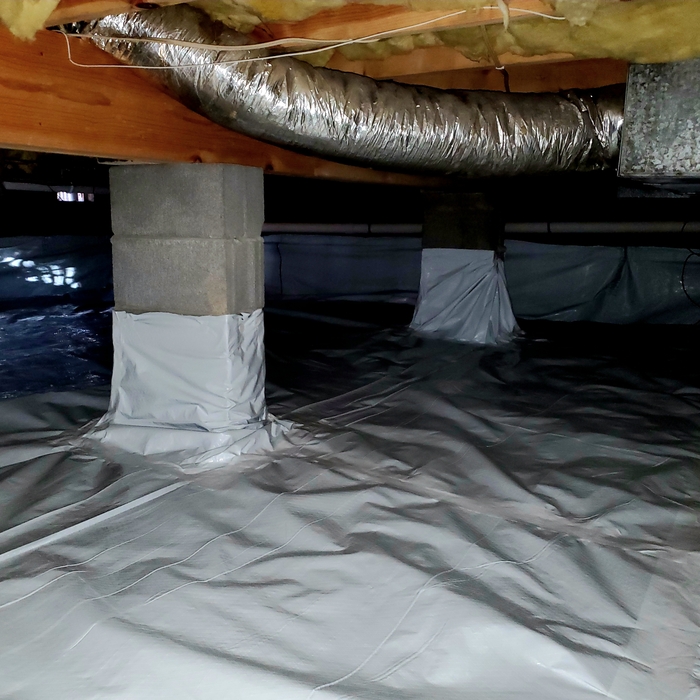
Before and after crawlspace encapsulation
Crawlspace encapsulation

+6

Response time1 day
1 neighbors recently requested a quote
Recommended by100%of homeowners
Radon Detection and Reduction FAQs, answered by experts

The natural breakdown of uranium in soil, rock, and water can cause radon to appear in a home. The gas seeps into homes through cracks in foundations, walls, or floors, as well as through gaps around pipes or construction joints. Radon levels are influenced by soil composition, building materials, and ventilation. Poorly sealed or airtight homes can trap radon, allowing it to accumulate.

The average radon mitigation system uses about 876 kWh of electricity per year, although the exact amount of electricity used will vary depending on the size of the radon fan. Once the system is installed, the annual increase to your energy bill could range from $30 to $300 per year, again depending on the size of the fan.

The soil beneath your house is most likely what’s causing an increased level of radon. This is because soil holds radioactivity for a long time and it’s also what most buildings are built on. Another common source of radon is water from a source that hasn’t been through periodic radon tests, such as well water. Over time, the radon from the soil can inhabit other parts of your house like the foundation or plumbing.

The cost to replace a radon fan ranges from $300 to $600 for the fan itself, with installation adding an additional $200 to $500. Overall, the total cost for replacement can range from $500 to $1,100, depending on factors such as the fan model, home size, and local labor rates. If the fan is part of a larger radon mitigation system, the price may be higher.

No, radon mitigation systems do not decrease home value or make a home harder to sell. In areas where homes experience similar radon exposure risks, a radon mitigation system is viewed as an improvement. Potential homebuyers often opt to buy a home with a radon mitigation system already installed to reduce the risk of cancer for their families.

The Leesburg, OH homeowners’ guide to radon detection and reduction services

From average costs to expert advice, get all the answers you need to get your job done.