




Top-rated radon detection and reduction specialists.

Get matched with top radon detection and reduction specialists in Frankfort, OH

Enter your zip and get matched with up to 5 pros

Need a pro for your radon detection and reduction project in Frankfort, OH?

Select your specific project to find the pro for you.

Find Radon detection and reduction specialists in Frankfort

Avatar for Beatty Home Inspections LLC
Beatty Home Inspections LLC
5.0(
4
)
Radon Gas - AbatementRadon Gas - Testing

Serving Frankfort, OH and surrounding areas

Approved

In business since 2015

Free estimates

Emergency services offered

"Beatty home inspections was awesome to work with! Being a first time home buyer, we really didn?t know much about the process or what to expect. Chris?s expertise not only made us more knowledgeable about it ourselves, but put our mind at ease that the issue would be fixed. The issue was in fact, fixed. I would recommend him tenfold to anyone looking to get a radon mitigation system put in."
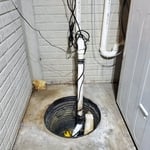
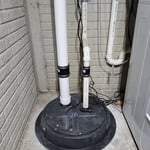
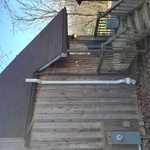
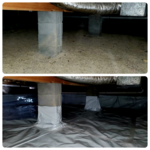
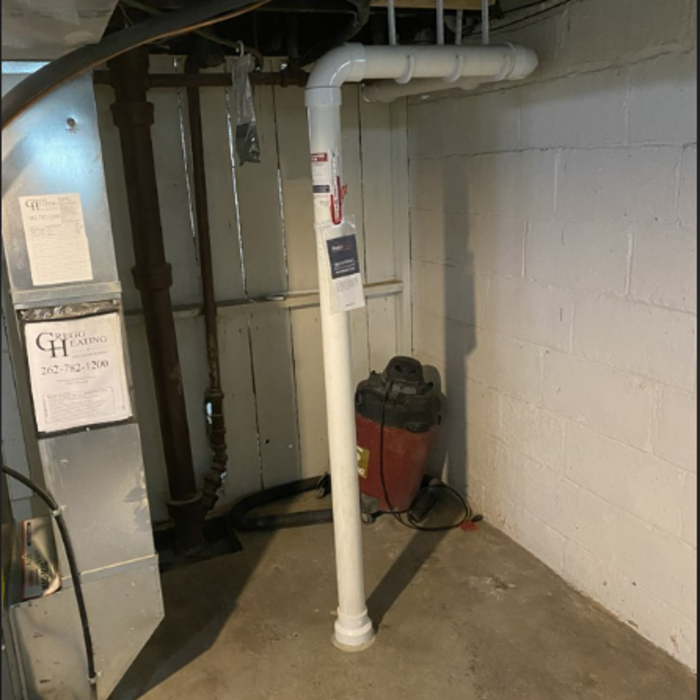
Radon Install
Radon Install
Radon Install
Radon Install
Radon Install

+16

Response time2 hrs
Response rate100%
Mid Ohio Radon Experts
New to Angi
Radon Gas - AbatementRadon Gas - Testing

Serving Frankfort, OH and surrounding areas

In business since 2022

Free estimates

Offers commercial services

Mid Ohio Radon Experts LLC is a leader in providing our customers with the highest quality service in an honest, efficient, and professional way. Our pledge is to create successful relationships with our customers, employees and community by building trust, treating every project with the utmost integrity and exceeding expectations. We look forward to working with you!

Radon Detection and Reduction questions, answered by experts

No level of radon is technically safe, but since it is present everywhere, complete avoidance is impossible. The average radon level in homes across the United States is 1.3 picocuries per liter (pCi/L). The Environmental Protection Agency (EPA) recommends taking preventative measures if your home's radon levels are between 2 and 4 pCi/L or higher.

A homeowner can install a radon mitigation system on their own. But it’s a challenging DIY that requires a lot of knowledge about radon mitigation as well as familiarity with local regulations. You do not want to risk an improper installation that leaves the system unable to detect radon or gives it a shortened life span. Relying on a professional is the surest way to guarantee a successful installation.

Keeping radon from getting into your home is much better than having to get rid of it once it's already indoors. While there may not be a way to fully prevent radon from getting into your home, there are things you can do to reduce the gas's ability to enter. 

Sealing foundation cracks and openings can help keep the gas from seeping inside. Improving air flow, such as by opening windows, can also be helpful. If you're building your home from scratch, talk to your contractor about using radon-resistant construction to keep the gas out.

The soil beneath your house is most likely what’s causing an increased level of radon. This is because soil holds radioactivity for a long time and it’s also what most buildings are built on. Another common source of radon is water from a source that hasn’t been through periodic radon tests, such as well water. Over time, the radon from the soil can inhabit other parts of your house like the foundation or plumbing.

The fan that pulls the radon out of the air needs to run continuously, so you may see an increase in your electric bill once you install the mitigation system. Additionally, you may see an increase in your heating or cooling bills, as the fan can cause some loss of hot or cool air.

The Frankfort, OH homeowners’ guide to radon detection and reduction services

From average costs to expert advice, get all the answers you need to get your job done.