







Top-rated radon detection and reduction specialists.

Get matched with top radon detection and reduction specialists in Fayetteville, OH

Enter your zip and get matched with up to 5 pros

Need a pro for your radon detection and reduction project in Fayetteville, OH?

Select your specific project to find the pro for you.

Find Radon detection and reduction specialists in Fayetteville

Avatar for Eagle Eye Home Inspections of Southern Ohio, Inc.
Eagle Eye Home Inspections of Southern Ohio, Inc.
5.0(
48
)

Serving Fayetteville, OH and surrounding areas

In business since 2015

Emergency services offered

Credit card accepted

"Shawn was very professional, timely, and informative. He performed a thorough/comprehensive full house, radon, and termite inspection on my new construction home. The report was extremely helpful for negotiating with our builders. Shawn found problems that their inspector had not. He even made ergonomic recommendations. Shawn was very prompt too. We had our inspection report the same afternoon as our inspection. I also found that he was extremely reasonable price wise when compared to similar professional inspection companies. I definitely recommend that you use Eagle Eye Inspection services! Thank you Shawn!"
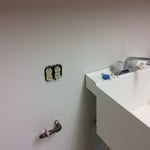
missing
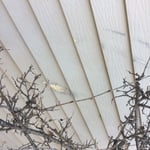
siding vs shrubs
power line
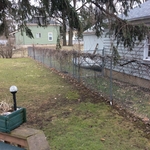
Fence
crawlspace plumbing

+2

Response time6 hrs
Recommended by100%of homeowners

HomeTeam Inspection Service
3.4(
9
)

Serving Fayetteville, OH and surrounding areas

In business since 1972

Free estimates

Credit card accepted

"John was very eager to work around my schedule. Although my husband and I arrived a little late for our scheduled time, he and his team of pros were already hard at work. He was very helpful and courteous. Because the seller had not left the garage unlocked the day of the inspection, John went back out on his own time a few days later to inspect the garage. He went above and beyond and I would definately recommend him to friends. Thanks!"
Recommended by85%of homeowners
Radon Detection and Reduction questions, answered by experts

The natural breakdown of uranium in soil, rock, and water can cause radon to appear in a home. The gas seeps into homes through cracks in foundations, walls, or floors, as well as through gaps around pipes or construction joints. Radon levels are influenced by soil composition, building materials, and ventilation. Poorly sealed or airtight homes can trap radon, allowing it to accumulate.

Radon enters your home when warm air begins to rise and exits through the roof, creating a vacuum that pulls cooler air from under the foundation. Part of that air is radon, which is an invisible, odorless gas that develops naturally when radioactive particles are deep within the ground. Those particles usually come from decaying matter in soil and rocks.

Radon is present almost everywhere but, like sunlight, the concentration levels and how often you are exposed to it have a large part to play in just how dangerous it is. There are levels of radon that are acceptable inside a house, but above a certain limit, radon becomes a serious radioactive hazard that is a known cause of lung cancer. In fact, radon exposure is the number two leading cause of lung cancer (after smoking).

The fan that pulls the radon out of the air needs to run continuously, so you may see an increase in your electric bill once you install the mitigation system. Additionally, you may see an increase in your heating or cooling bills, as the fan can cause some loss of hot or cool air.

You'll need to test your home for radon after installing the mitigation system, then again every two years. If radon remains elevated, contact a licensed radon professional, either the contractor who installed the system or a different one, and have them evaluate the system. They may need to make some changes to improve its effectiveness and performance.

The Fayetteville, OH homeowners’ guide to radon detection and reduction services

From average costs to expert advice, get all the answers you need to get your job done.