

Top-rated radon detection and reduction specialists.

Get matched with top radon detection and reduction specialists in Lynchburg, OH

Enter your zip and get matched with up to 5 pros

Need a pro for your radon detection and reduction project in Lynchburg, OH?

Select your specific project to find the pro for you.

Find Radon detection and reduction specialists in Lynchburg

Avatar for Ohio Radon Services, LLC
Ohio Radon Services, LLC
4.8(
26
)
Radon Gas - TestingRadon Gas - Abatement

Serving Lynchburg, OH and surrounding areas

Approved

In business since 2020

Free estimates

Emergency services offered

"Highly recommend. Elijah M was very professional, thorough in his explanations, and always on time. He installed a radon reduction system in our home and walked us through the entire process. We knew everything that was happening and how everything would work before he left. He also tested the system and explained how the test worked when he came back to check the radon levels. We are very happy with the service provided and will recommend Ohio Radon Services to anyone."
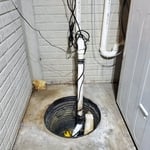
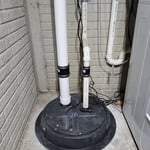
Before Sump Cover Install
After Sump Pit Cover Install
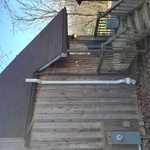
Exterior Radon System
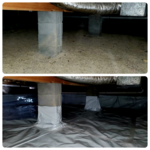
Before and after crawlspace encapsulation
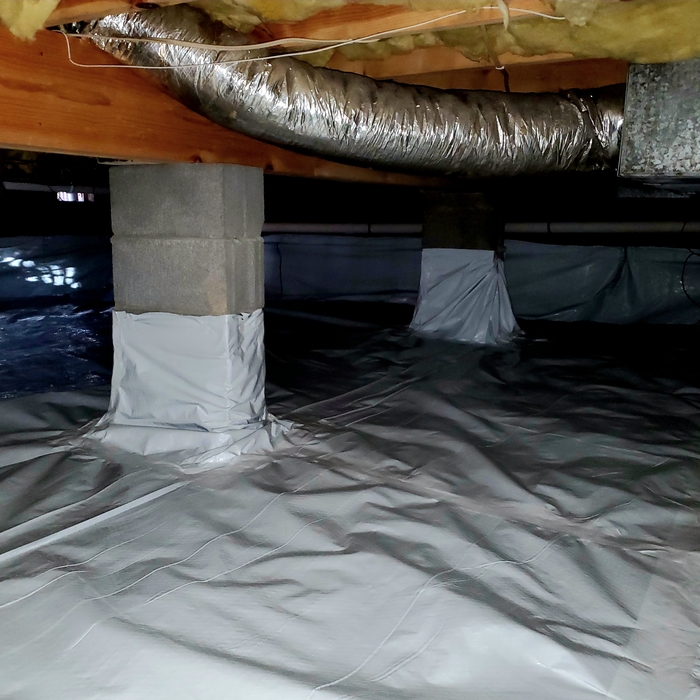
Crawlspace encapsulation

+6

Response time1 day
1 neighbors recently requested a quote
Recommended by100%of homeowners
Avatar for Eagle Eye Home Inspections of Southern Ohio, Inc.
Eagle Eye Home Inspections of Southern Ohio, Inc.
5.0(
48
)
Radon Gas - Testing

Serving Lynchburg, OH and surrounding areas

In business since 2015

Emergency services offered

Credit card accepted

"Shawn was very professional, timely, and informative. He performed a thorough/comprehensive full house, radon, and termite inspection on my new construction home. The report was extremely helpful for negotiating with our builders. Shawn found problems that their inspector had not. He even made ergonomic recommendations. Shawn was very prompt too. We had our inspection report the same afternoon as our inspection. I also found that he was extremely reasonable price wise when compared to similar professional inspection companies. I definitely recommend that you use Eagle Eye Inspection services! Thank you Shawn!"
missing
siding vs shrubs
power line
Fence
crawlspace plumbing

+2

Response time6 hrs
Recommended by100%of homeowners

Radon Detection and Reduction questions, answered by experts

Keeping radon from getting into your home is much better than having to get rid of it once it's already indoors. While there may not be a way to fully prevent radon from getting into your home, there are things you can do to reduce the gas's ability to enter. 

Sealing foundation cracks and openings can help keep the gas from seeping inside. Improving air flow, such as by opening windows, can also be helpful. If you're building your home from scratch, talk to your contractor about using radon-resistant construction to keep the gas out.

The lifespan of a radon mitigation system depends on the type of system and its maintenance. With proper care, a system can last for many decades. Passive systems tend to last longer as they have fewer components that require replacement. Active systems, which have more moving parts like fans, generally have a shorter lifespan. For instance, water filtration devices and active pressurization systems require more frequent maintenance. While the system as a whole is durable, the radon fan in an active system typically has a lifespan of 5 to 10 years and will need to be replaced. As long as the fan is working, the mitigation system should function correctly.

The natural breakdown of uranium in soil, rock, and water can cause radon to appear in a home. The gas seeps into homes through cracks in foundations, walls, or floors, as well as through gaps around pipes or construction joints. Radon levels are influenced by soil composition, building materials, and ventilation. Poorly sealed or airtight homes can trap radon, allowing it to accumulate.

Radon is the number one non-smoking cause of lung cancer in the United States, but it can cause some other concerning side effects in the meantime. If you have a raspy voice, chest pains, trouble breathing, difficulty swallowing, or any of the above, don’t hesitate to perform radon testing and install a mitigation system as soon as possible.

The soil beneath your house is most likely what’s causing an increased level of radon. This is because soil holds radioactivity for a long time and it’s also what most buildings are built on. Another common source of radon is water from a source that hasn’t been through periodic radon tests, such as well water. Over time, the radon from the soil can inhabit other parts of your house like the foundation or plumbing.

The Lynchburg, OH homeowners’ guide to radon detection and reduction services

From average costs to expert advice, get all the answers you need to get your job done.