


The average cost of roof repair for U.S. homeowners averages between $386 and $1,875. Learn what factors can affect roof repair costs.
Roofing costs depend on your project and location. Check with a local pro for your specific job.

Professional roof tarping costs between $150 and $3,300, and your damaged area size affects your total.
Your roof's slope and access affect labor time, and your chimneys or vents require careful tarp fastening.
Budget for your tree removal, inspections, and water damage cleanup, which can add $1,400 to $6,300.
Hiring a local emergency roofing professional protects your home from water damage and keeps you off dangerous roofs.
In 2026, the national average cost to tarp a roof is $450. Most homeowners pay between $150 and $3,300, with the size of the damaged area, emergency service needs, and roof accessibility driving the spread. Budget for additional costs like tree removal, inspections, and water damage cleanup, which can add $1,400 to $6,300 to your total.
Several key factors determine what you'll pay to tarp your roof, and understanding them helps you budget accurately before calling a pro.
Roof tarping costs $0.70 to $2.80 per square foot, with square footage being the primary driver of your total. Standard and larger jobs typically fall between $0.70 and $2.00 per square foot, while smaller jobs and last-minute emergency services run $1.00 to $2.80 per square foot. All of these per-square-foot rates include professional labor costs. The table below shows how costs vary by tarp size.
| Tarp Size (sq. ft.) | Cost Range in 2026 |
|---|---|
| 35 | $100–$150 |
| 48 | $150–$200 |
| 80 | $175–$225 |
| 120 | $200–$340 |
| 192 | $225–$540 |
| 600 | $420–$1,700 |
| 1,200 | $840–$3,360 |
| 1,500 | $1,050–$4,200 |
| 2,050 | $1,440–$5,800 |
| 3,000 | $2,100–$8,400 |
When storm damage from a fallen branch, heavy snow, or strong winds forces an immediate response, emergency roofing professionals charge $1.00 to $2.80 per square foot for rush services. Whenever possible, photograph the roof damage before tarping begins and again after the storm passes, since those images support your insurance claim. Costs vary by scenario, as the table below shows.
| Scenario | Cost Range in 2026 |
|---|---|
| Small DIY tarping | $150–$450 |
| Standard professional tarping | $1,050–$3,000 |
| Emergency professional tarping | $1,500–$4,200 |
Tarp thickness, measured in mils (one-thousandth of an inch), typically ranges from 10 to 25 mils for roof applications, and the right choice depends on your climate and timeline. Thinner tarps in the 10 to 15 mil range work for low-risk areas with mild weather and serve as affordable short-term solutions, while thicker tarps in the 15 to 25 mil range are the better choice when repairs will be delayed or when your area is prone to severe weather.
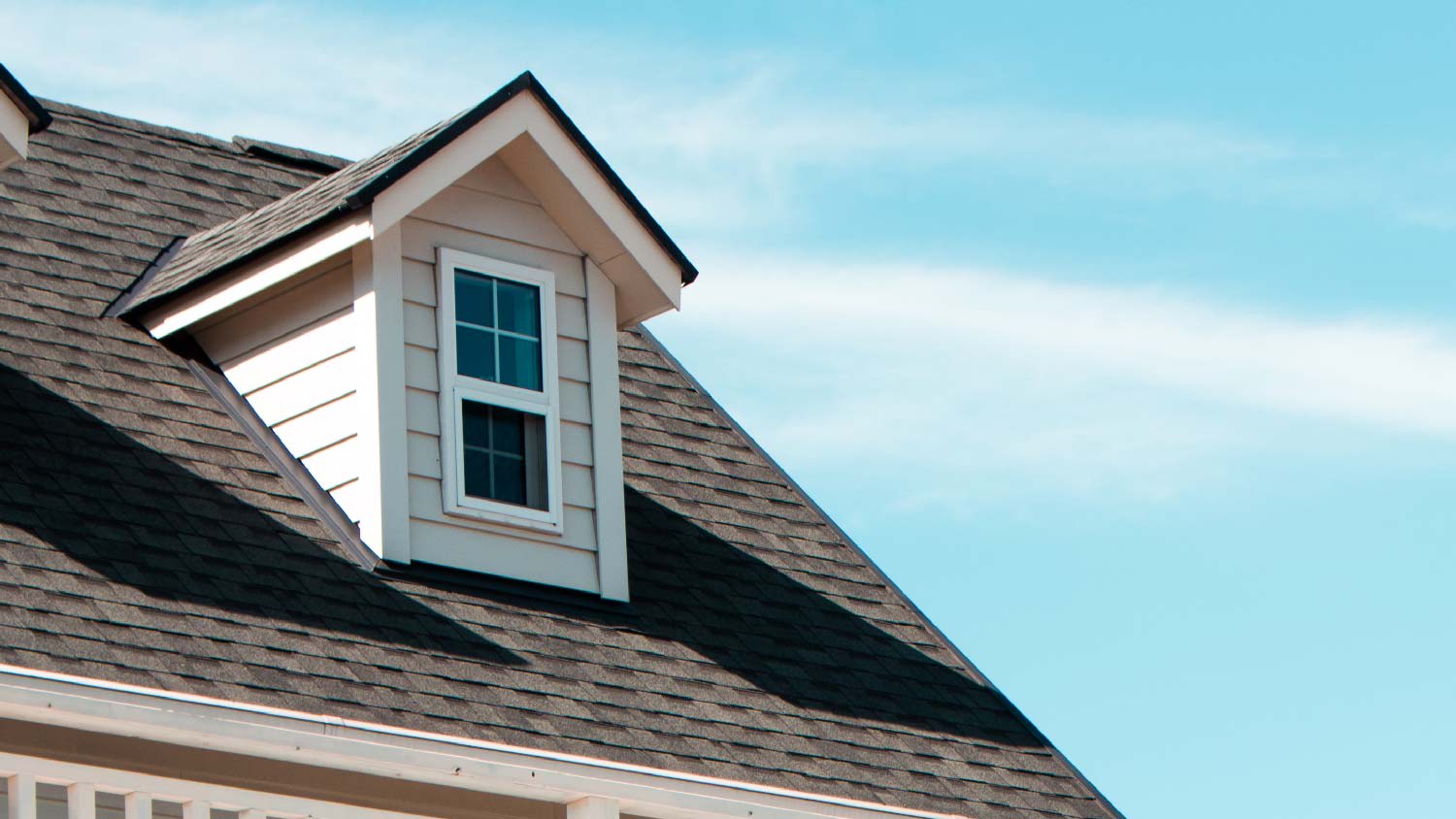
When you hire a professional to repair your roof, your roof's slope, accessibility, and design complexity all factor into the final price. Roofs with steep pitches, dormer windows, or multiple ridges cost more to tarp because navigating bumpouts and other features takes longer and consumes more material. Contractors must also trim and shape the tarp to fit around chimneys and vents, adding to both labor time and material use.

Professional roofers charge $45 to $75 per hour for tarping work, with labor accounting for $0.60 to $2.50 of every per-square-foot cost. While that labor share may tempt you to DIY, hiring a professional who can tarp your roof correctly is often the smarter financial move, since a properly sealed tarp prevents the water intrusion that leads to far costlier repairs.
The tarp itself costs $0.10 to $0.30 per square foot, with price varying by thickness and total square footage. Securing the tarp may also require cap nails, wooden battens, or waterproof tape, and the amount of fastening hardware needed depends on your roof's slope and local weather conditions. Homes in high-wind or high-rain areas require more extensive installation than those in calmer climates.
Roofs that are steep or difficult to reach require special equipment and safety gear, which drives up labor costs. Your roofing material also plays a role: asphalt shingles provide good grip even on steeper pitches, while slick metal roofs present greater safety challenges, so tarp installation on a steep metal roof typically costs more.
Roof tarps should only be used temporarily, as most only last safely for about 90 days. After that, you should address the needed repairs or replace the tarp.


Roof tarping rarely happens in isolation, and related work such as fixing damaged shingles, patching storm holes, or having pros install a skylight often follows. Budget for additional services that commonly accompany a tarping job, since costs can range from a modest inspection fee to several thousand dollars for water damage remediation.
Tree removal cost: $200 to $2,000
Roof inspection cost: $125, 360
Cost of roof repairs: $390 to $1,930
Roof replacement cost: $5,900 to $13,200
Cost to remediate water damage: $1,400 to $6,300
Roof tarping can be an expensive project, costing as much as $8,400 in some cases. There are a few things you can do to keep costs to a minimum, though.
Buy materials yourself. Purchasing a tarp from a local hardware store yourself before calling a professional can avoid upcharges for materials from your expert. Purchase all necessary hardware to secure the tarp ahead of time, too.
Avoid roof tarping in the first place. Have a roof inspection done once a year to avoid emergency roof tarping services. The inspection will cost around $230, on average, but that can pale in comparison to the cost of emergency tarping and repair costs.
Avoid emergencies. Whenever possible, schedule roof tarping in advance rather than calling for emergency services. If you’re able to implement another temporary solution while you wait for tarping, you could save an average of $500.
Shop around for the best deal. Meet with at least three local roofers to compare prices and add-ons before signing a contract.
Buying a tarp and DIYing may cost $100 to $450, but mistakes can be costly and even dangerous. If you don’t install the tarp correctly, you risk worsening the water damage to your home. Plus, working on a roof can be steep, slippery, or both, and you’re at a high risk of falling.
Instead, leave this project to an emergency roofing pro near you.
Hiring a pro is the safest, fastest, and most cost-effective option for tarping a roof because:
Roofing pros are licensed and experienced in installing tarps and repairing roof damage.
Pros can arrive on the scene quickly to cover damaged areas, even during an emergency.
Pros already own the costly tools and equipment needed to safely access, tarp, and repair the roof, so you don’t have to buy or rent these items yourself.
An experienced crew can tarp your roof quickly and minimize any water damage or other damage to the roof and your home.
DIY mistakes could lead to costly water damage or even a trip to the hospital.
Experts can identify and protect all potential damaged areas on the roof, even if you weren’t able to see them.
We don’t recommend tarping a roof yourself since this is a dangerous job where a mistake could lead to serious injury or death. However, you can prepare for the pros to come tarp by:
Removing any objects or debris around the house where a pro will need to set up ladders, tools, and other supplies.
Checking the attic or upstairs rooms for signs of leaks.
Removing any furniture or other objects from nearby leaking spots.
Taking photos of the damage and contacting your home insurance provider.
In an emergency, follow any evacuation announcements or steer clear of fallen trees or loose debris before any attempts to work on your home.
Be clear about the type of roof material, the type and extent of damage, and how accessible the roof is (such as if it’s steeply sloped or multiple stories high).
If it’s during or after a storm, take several photos and notes to describe the damage for insurance purposes.
Move any objects or debris, if you can safely, away from the area where pros will need to access the roof.
Home is the most important place on earth, which is why Angi has helped more than 150 million homeowners transform their houses into homes they adore. To help homeowners with their next project, Angi provides readers with the most accurate cost data and upholds strict editorial standards. We extensively research project costs to develop the pricing data you see, so you can make the best decisions for you and your home. We rely on reputable sources, including the U.S. Bureau of Labor Statistics, academic journals, market studies, and interviews with industry experts—all to ensure our prices reflect real-world projects.
Want to help us improve our cost data? Send us a recent project quote to [email protected]. Quotes and personal information will not be shared publicly.
Mitchell and the crew were top tier i am so happy with my new roof
 Home Genius Exteriors
D1 Roofing delivers outstanding service from beginning to end, backed by a strong warranty and expert teams. I highly recommend them for their excellence in meeting and surpassing expectations with unmatched communication. Choosing D1 Roofing was flawless decision
 Division 1 Roofing LLC
This place took $25,000 for a flat roof job with a five-year warranty and never returned to fix the leaks that were caused by their work. These people are not professionals and should not be doing this type of work. They incorrectly changed the pitch of the roof, and caused more damage than...
The technician was very professional and friendly. He answered all my questions and was very thorough. He left the fireplace area very clean . He inspected from the roof and advised me as to other work that might need to be done. There was no pressure there. I was very satisfied with the...
 Supreme brick & chimney
I am really impressed with their timeliness and turnaround. Mitchell came out, and we decided to move forward with their pricing. Our roof was on within a week, and we could not be happier with their team! Amazing company, great prices and honest, dependable craftsmanship. I highly recommend...
 Window Depot USA of Central Ohio
Manuel Calvillo is the best option in the area for roofing and you won't be disappointed.
They damaged multiple items on my property, including a marble slab used as a table top, tried to hide it, and refused to pay or replace. Arrived day one without a ladder to access roof & delayed a day. Left a mess in back yard; didn't wear face masks; no show by owner to property to see damages
 Grants Tree Service
I've hired Gary/Cherokee Roofing for two different homes, work quality, responsiveness, and completion have been great both times. And the prices quoted were very competitive. I would definitely hire again.
Lyle did a great job removing asbestos shingles from our front porch roof. They worked together with our roofer to make sure that the new roof was able to be installed on the same day that Lyle removed the asbestos shingles.
 Lyle Environmental
Bradley Builders did a good job replacing the roof on our front porch. They color-matched the existing shingles on the rest of the house and installed a metal ridge roll since we live in a historical neighborhood. They did the job while we were out of town. When we got back, everything was...
 Bradley Builders, Inc.
From average costs to expert advice, get all the answers you need to get your job done.
The average cost of roof repair for U.S. homeowners averages between $386 and $1,875. Learn what factors can affect roof repair costs.

A sound garage roof is important for protecting against water damage and foundational disrepair. If you need to replace your garage roof, this guide shows you what to expect to pay for materials and labor based on specific factors.
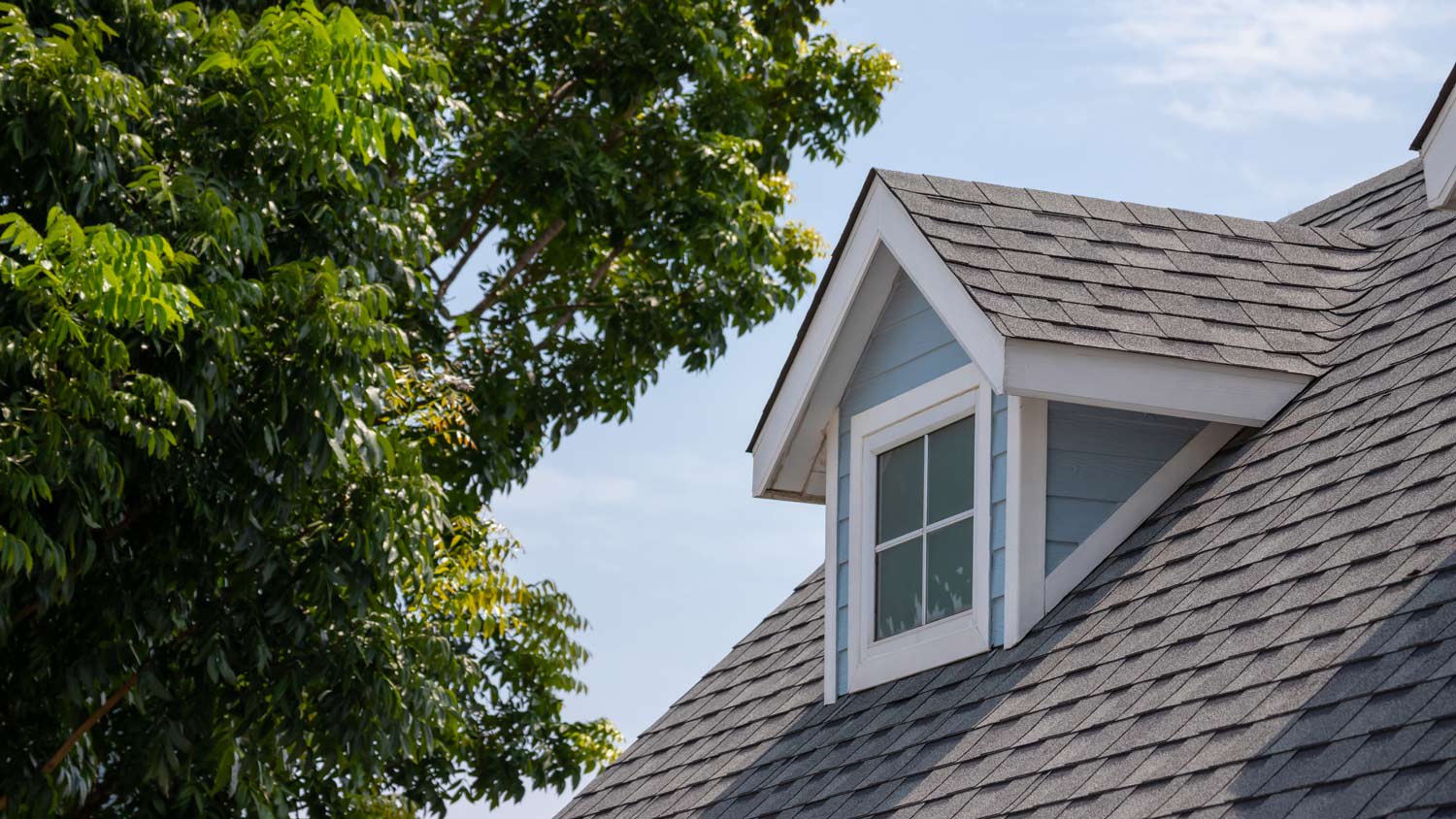
Sealing your roof can help preserve its life span—you just have to choose the right coating. This guide will help you budget for your total roof coating cost.
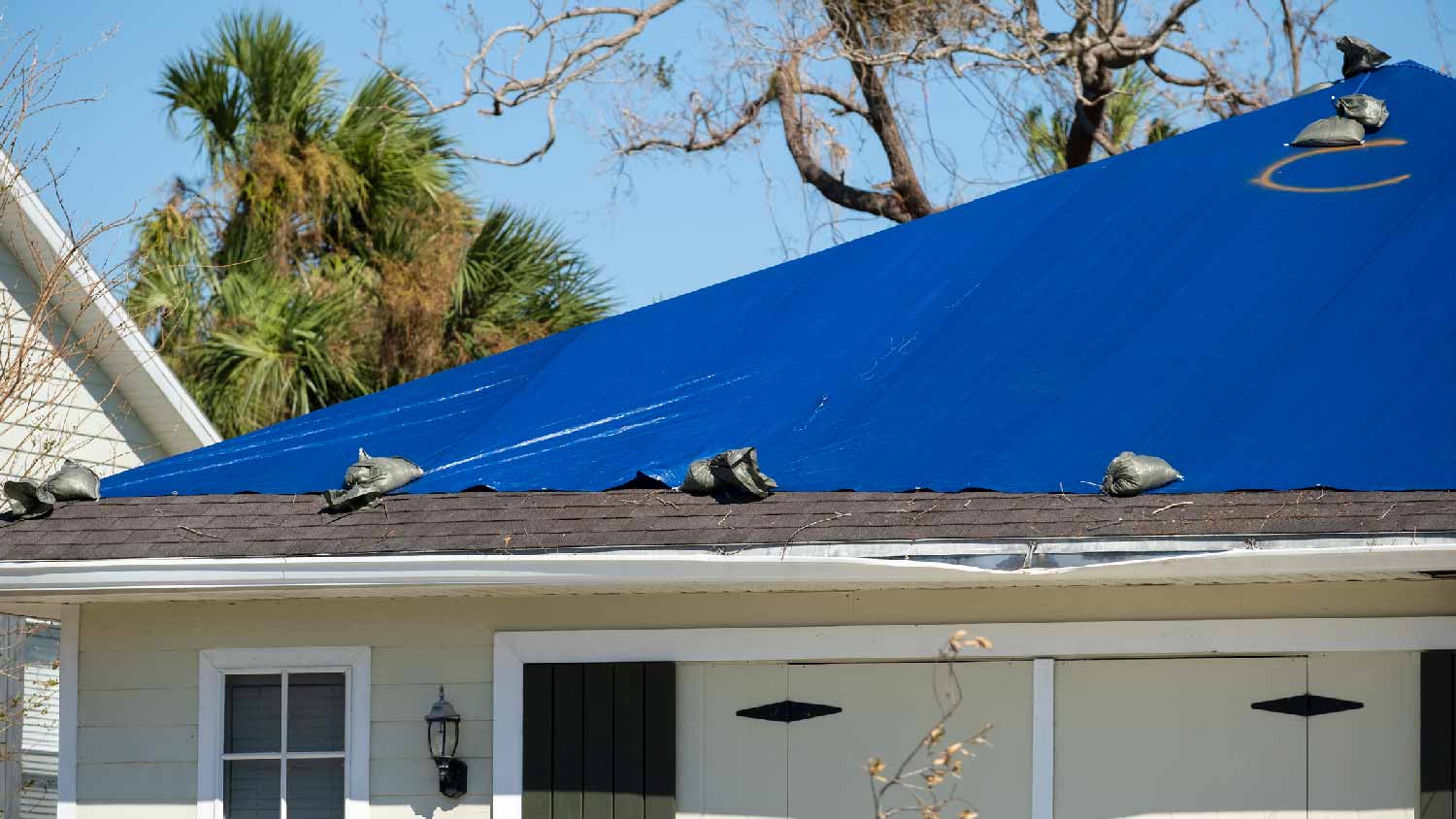
Roof leaks are an emergency, so knowing who can tarp your roof quickly and correctly can save you from major water damage if you ever experience a leak.
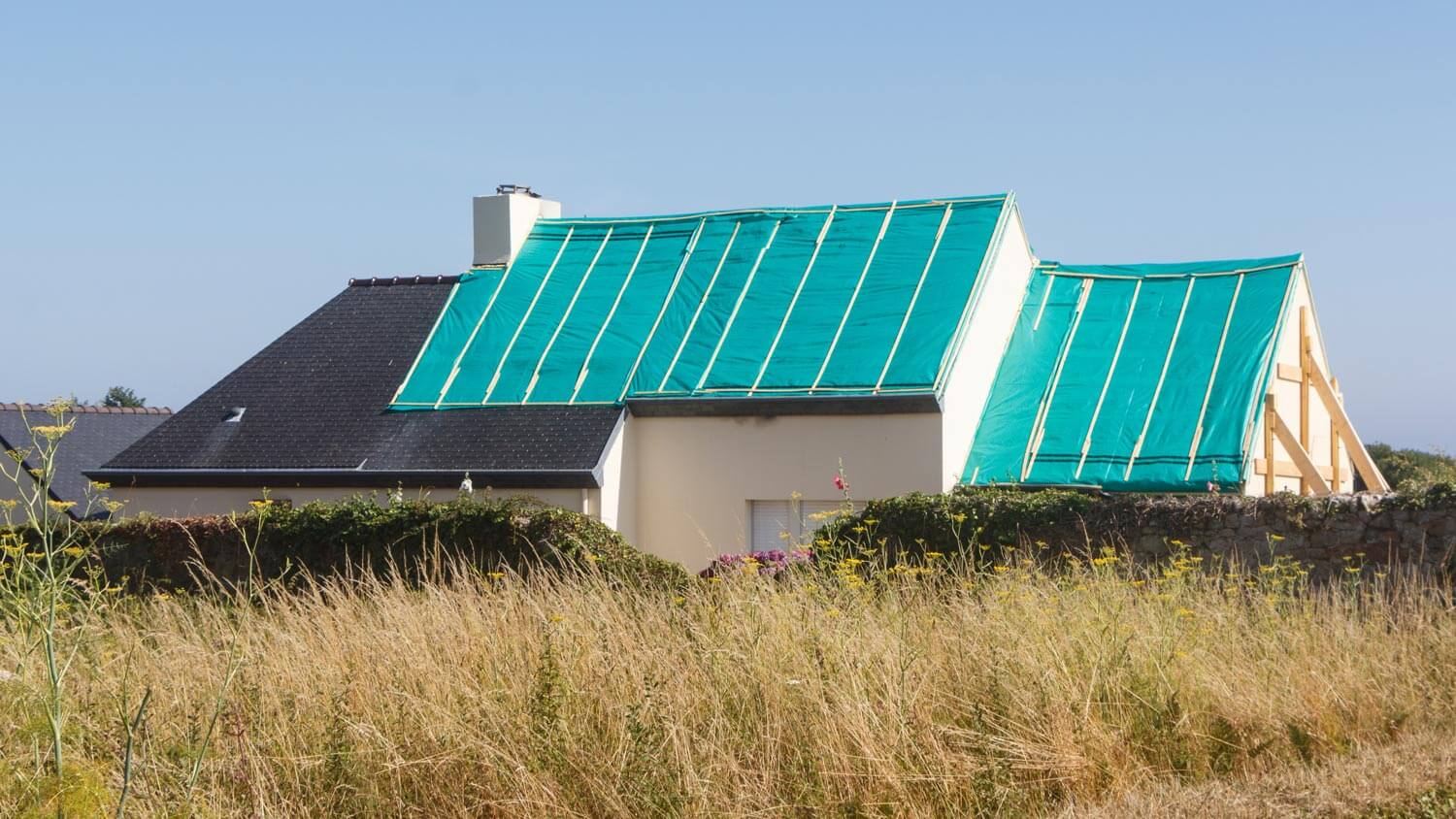
Storm damage to your roof can cause major problems if not repaired quickly. Learn how to tarp a roof to get the temporary protection you need.
A leaky roof is less than ideal. Learn how to patch a roof while you wait for repairs from the pros to prevent further damage to your home.