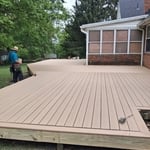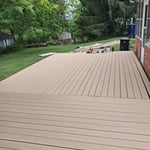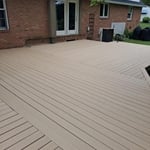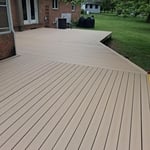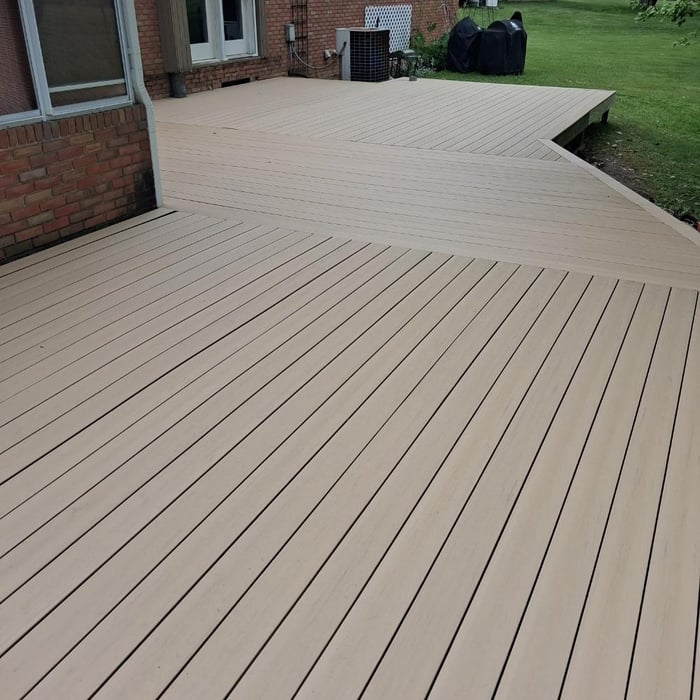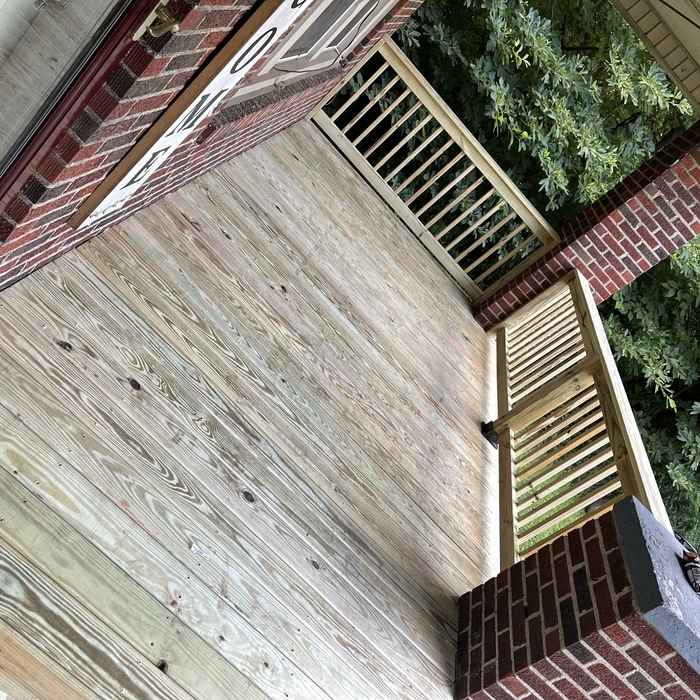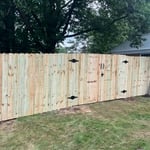




Top-rated fencing pros.

Get matched with top fencing pros in Butler, OH

Enter your zip and get matched with up to 5 pros

Need a pro for your fencing service project in Butler, OH?

Select your specific project to find the pro for you.

TRUSTED BY BUTLER, OH HOMEOWNERS

  • Average homeowner rating star icon4.8
    Average homeowner rating
  • Verified reviews icon11
    Verified fencing services reviews
Fencing questions, answered by experts

While cedar and pine are two of the most common wooden fence materials, everything from redwood to bamboo is also available. You can also purchase pressure-treated wood, which better withstands water damage and the threat of pests. The best wood for your fence will come down to your budget, local climate, and preferred look.

The ideal spacing for four-by-four residential fence posts is usually about 6 to 8 feet between posts. However, if the fence is particularly high or you live in a very windy region, you might want to space them closer together for better stability. A fence pro can help you decide on your post spacing. 

The best under-gate dog barrier is one that extends to the ground. This effectively keeps dogs in and won't give them room to squeeze through. However, dogs that dig can still get under the barrier. Deter digging by paving the ground beneath the gate or filling it in with rocks or gravel. Be careful using wire to extend dog gates, as the sharp ends may cut or hurt your dog's paws.

There’s no definitive answer to this question because dog owners and experts are conflicted about the efficacy and morality of electric fences. However, physical fences are typically considered a better option since they provide guaranteed containment for your pup, provided they are tall enough, and your dog can’t dig under them. Physical fences can also provide privacy, which might stop your dog from barking at people or animals walking by. Physical dog fences tend to be more expensive, but most homeowners find them to be a better option overall.

You’ll need to bury the garden fence about 1 foot underground. It’s tempting to save on materials by burying the fence just a couple of inches, but if you do so, determined pests will still be able to dig under the fence and access your plants. Burying your garden fence deep into the soil is an important step that allows you to attach a wire barrier to the fencing. 

Burrowing animals (like voles, moles, rabbits, and gophers) can’t dig or chew through this wiring, meaning that you’ll be keeping your prized petunias or your robust veggie garden from being eaten.

The Butler, OH homeowners’ guide to fencing services

From average costs to expert advice, get all the answers you need to get your job done.

What do you need done? We’ll find top pros.
  • 🌱 "Mow a small front yard"
  • 🛠 "Fix a leaking pipe under the sink"
  • 🏠 "Repair shingles on an asphalt roof"