



Top-rated electricians.

Get matched with top electricians in Bethesda, OH

Enter your zip and get matched with up to 5 pros

Need a pro for your electrical service project in Bethesda, OH?

Select your specific project to find the pro for you.

Find Electricians in Bethesda

Avatar for Mid America Lightning Protection
Mid America Lightning Protection
4.5(
99
)
Lightning Protection - Install or Repair

Serving Bethesda, OH and surrounding areas

Approved

In business since 1969

Free estimates

Emergency services offered

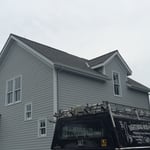
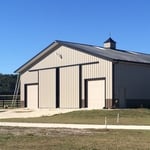
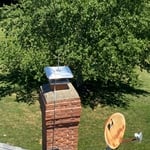
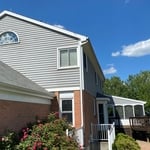
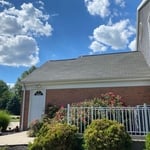
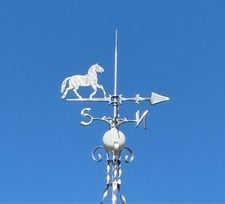
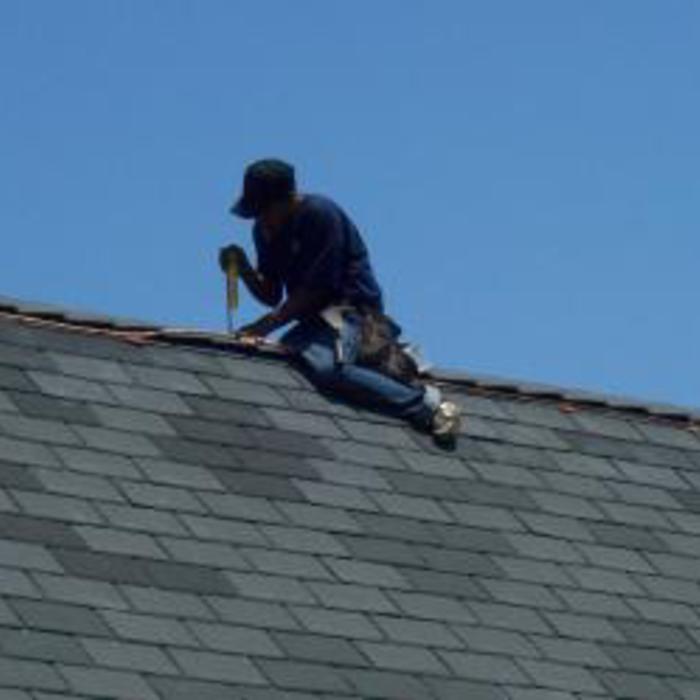
"Mr. Jim Gorman who is the owner of the business called me back within a half hour of my email posting. He visited my home 3 days later, inspected things, and told me what the approximate cost would be. He and his helper then installed an entire lightning protection system on both my house and a back garage/storage area. He did things exactly as I wanted in every way. Also threw in a free weathervane which increased the beauty of my home. I would have no objection to recommending this gentleman and his company to anyone who is in need of a competently installed lightning protection system for their home/property. MID-AMERICA LIGHTNING RODS is one fine company run by a man who cares about doing good work according to the latest safety codes etc. Having lost my previous retirement home to lightning, it was very important to me to get this job done and quickly because the thunderstorm season is upon us and with the climate change, those storms are very wicked, especially here out in the country where i live!"
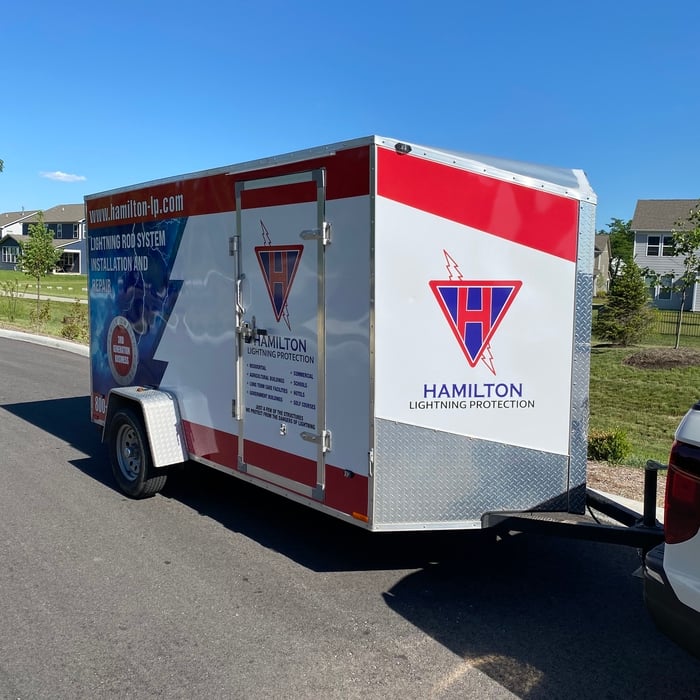
Indianapolis
Trucking company
Indianapolis
Indiana Illinois
Indiana Illinois

+70

Response time6 hrs
Response rate94%
Recommended by92%of homeowners
Avatar for W B Lightning Rods
W B Lightning Rods
4.6(
367
)
Lightning Protection - Install or Repair

Serving Bethesda, OH and surrounding areas

Approved

In business since 2001

Free estimates

Warranties offered

"We have been hit twice by lightning by God's grace either one hit our home however the last strike burnt art motorhome to the ground William was hired to install lightning protection lightning rods on our home and two out buildings he took the time to explain to us everything we needed to know answering every question professionally conducted himself in the utmost professional manner I would highly recommend lightning rods and even more highly recommended hiring William to do the job we are going to do an expansion later on and he will be the one and only contractor I will call to continue our lightning protection"
lightning protection
 Residential LPS
lightning protection
 Residential LPS
lightning protection

+79

Response time1 day
143 neighbors recently requested a quote
Recommended by98%of homeowners
Avatar for Equinox Solar, LLC
Equinox Solar, LLC
5.0(
1
)
Electric Vehicle Charging Station Installation - Materials Not Provided

Serving Bethesda, OH and surrounding areas

Approved

In business since 2020

Free estimates

Emergency services offered

We are committed to excellence in every aspect of our business. We uphold a standard of integrity bound by fairness, honesty, and personal responsibility. Our distinction is the quality of service we bring to our customers. Accurate knowledge of our trade combined with ability is what makes us true professionals. Above all, we are watchful of our customers' interests, and make their concerns the basis of our business

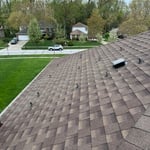
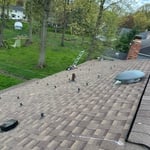
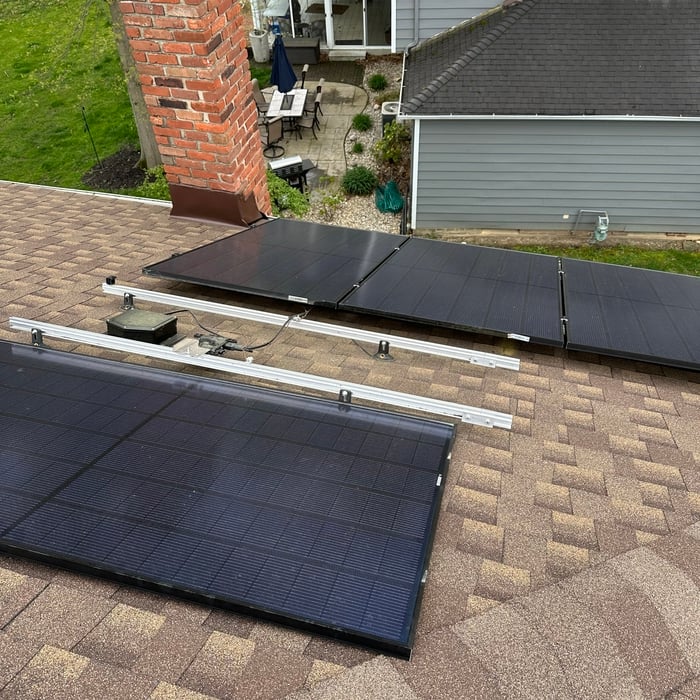
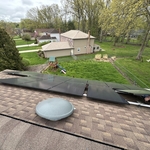
Panels Removed
Panels Removed
Panels Removed
Panels Removed
Panels Removed

+4

Response time2 days
8 neighbors recently requested a quote
...
Showing 1-10 of 67
Electrical questions, answered by experts

The most common gauge for indoor outlets around your home is 12- and 14-gauge wires. But if you’re working with larger appliances like ovens, washing machines, or dryers (all of which require more amplitude), you might find 10-, eight-, or six-gauge wires to help support those hefty appliances.

While most electrical items can be plugged into a GFCI outlet, some appliances with internal or stationary motors, such as refrigerators, vent fans, and fluorescent lighting, can cause nuisance tripping. This happens because they experience a small, normal amount of current leakage, which can cause the GFCI to trip even when the appliance is working correctly. Although this is not a safety hazard, it can be inconvenient and may cause the GFCI outlet to wear out faster. For this reason, it is often better to plug these types of appliances into a standard outlet. Additionally, electrical circuits over 100 feet long can sometimes cause tripping. Some appliances, like hair dryers, have their own built-in GFCI protection, so connecting them to a standard outlet is fine.

Aluminum wiring can pose a fire risk as it can overheat, expand, and contract, leading to failing splices and loose connections. If your home has aluminum wiring, it requires careful maintenance and potential safety upgrades. The first step is to hire a licensed electrician to conduct a thorough inspection.

A complete replacement with copper wire is the safest option but can be very expensive and is not always necessary. Other safety measures and upgrades include:

  • Copper Pigtailing: A more budget-friendly option where a short section of copper wire is added to each end of the aluminum wire. This is only appropriate for certain homes.

  • Aluminum-Compatible Outlets: Installing outlets specifically designed for use with aluminum wiring.

  • Anti-Oxidant Paste: Applying this paste to connections to prevent oxidation.

Consulting with a qualified electrician is essential to assess the condition of your wiring and determine the most appropriate updates to meet current safety standards.

A 60W LED bulb is likely labeled as “60W replacement” on the package—that’s because it provides about the same light output as a 60W incandescent bulb. In reality, it likely uses less energy—usually 15 watts or less. If that’s the case, then it’s perfectly fine to put a 60W LED bulb in a 40W socket. Your best bet is to read the package carefully. It will tell you the LED bulb’s actual wattage, and as long as it’s lower than the fixture, the bulb will be safe to use.

The average lifespan of a home electrical system is anywhere from 30 to 70 years or more, depending on the type of system you have. Modern electrical wiring, like aluminum or copper, can last 50 to 70 years while older types may need to be replaced sooner. Additionally, circuit breakers tend to last anywhere from 30 to 40 years, while electrical outlets need to be replaced every 10 to 25 years. 

The Bethesda, OH homeowners’ guide to electrical services

From average costs to expert advice, get all the answers you need to get your job done.