"John is a true professional and will make sure the job is done right. He is also courteous and polite as well as being thoroughly knowledgeable. If I ever have an electrical problem in the future I will be calling DiFonzo Electric."
"I estimate I have just under $100k in electronics and appliances in my house. We have significant lightning storms in my location. To NOT have lightning suppression installed is significant risk in my mind based on my location in New Jersey. RS LIGHTNING PROTECTION was responsive with a quick cost estimate and a reasonable price based on my research for installation. By the way...installation is part art, such as bends in cable are not more than 90 degrees. It's not just about running grounded cables. This installation in conjunction with surge protection on my electrical panel performed by my electrician and cable protection gives me significant piece of mind that all my appliances and electronics are protected from lightning and any potential surge generated by a near strike. Mr Richard Sherlock knows his subject. Highly recommended. Five stars."
"I was pleased with the installation of the lightning rods--communication was great and the work was done quickly. What I wasn't happy with is he quoted me a price that was less then my actual bill was BUT the price was still less then two other contractors bids."
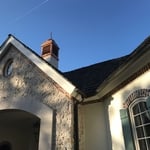
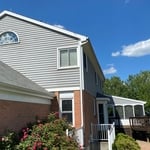
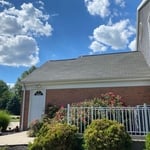
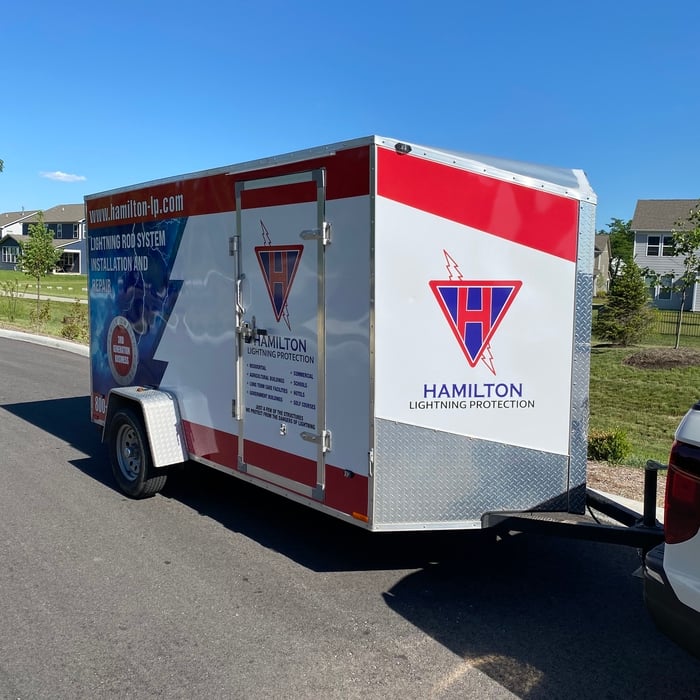
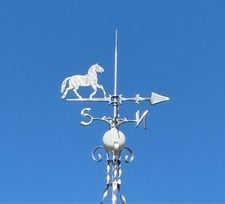
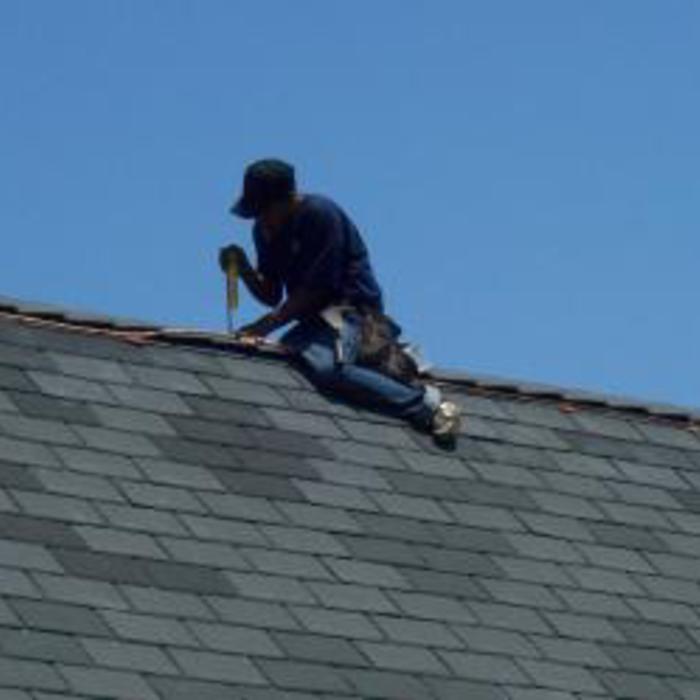
"The install was scheduled and completed quickly. The lightning rods and cable look neat and tidy along the roof. Mr. Hamilton was friendly and efficient."
"WB Lightning is focused on customer service. The company provided good communication and responded very quickly to my inquiry for a quote. WB Lightning is a respected company, I had another electrical service provider tell me I made a good choice when I hired WB Lightning Rods."
"Edison Landscape & Deck Lighting is THE company to do work at your home. From the helpful and kind office ladies, to the designer who came out to give us our estimate, to the installation crew — we received A+ service from start to finish. Everyone was professional, friendly, and a pleasure to work with. We couldn’t be happier with the result and highly recommend Edison Landscape & Deck Lighting!"
We are committed to excellence in every aspect of our business. We uphold a standard of integrity bound by fairness, honesty, and personal responsibility. Our distinction is the quality of service we bring to our customers. Accurate knowledge of our trade combined with ability is what makes us true professionals. Above all, we are watchful of our customers' interests, and make their concerns the basis of our business
We pride ourselves on our extreme professionalism and attention to detail. Our customer satisfaction guarantee will assure you we will not leave your property until you are completely satisfied with our work. As a locally owned and operated business you can trust that we will treat your home as we would treat our own. Give us a call today, and we look forward to working with you!
Your go-to electrician for dependable repairs, lighting, and home electrical upgrades.Graduated from Parkway West, familiar with code and safety standards. OHSA 10 Certified.
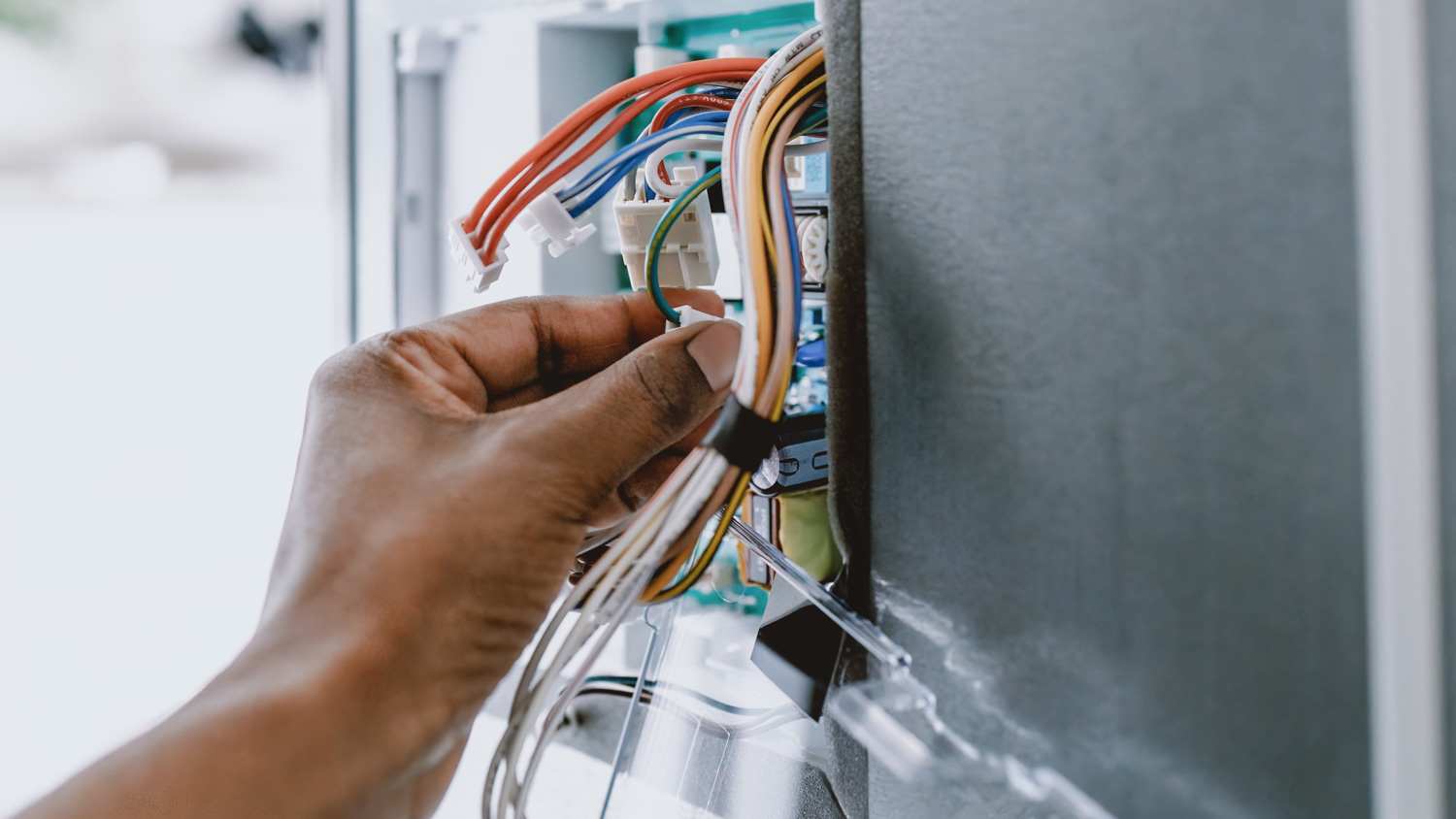
The wrong-sized wire can lead to several safety hazards, including structural fires, surges, power outages from tripped breakers, and electrocution. It’s important to follow the American Wire Gauge system and the National Electrical Code guidelines to safely wire a home. Electrical wiring is not safe for homeowners to handle and is best left to a licensed electrician.
Homeowners insurance policies will typically cover your cost to replace an electrical panel if damage occurs due to a covered circumstance such as fire, lightning, or certain types of accidents. Regular wear and tear or damage due to neglect might not be covered, so it's essential to review the policy details and consult with your insurance provider on the specifics of your coverage.
No, you shouldn’t immediately reset a tripped breaker. If you don’t know what tripped the breaker, resetting it and continuing the actions that set it off could pose a hazard. It also means your breaker will sustain greater damage if it trips again. If you know the cause of your tripped power, unplug faulty appliances or fix the issues, then reset it, and wait a few minutes before using electricity in that circuit.
Multiple wire sizes are used for residential electrical purposes. While the most common sizes used in homes are 14 and 12 gauge, some appliances, such as stoves, electric water heaters, central air units, etc., may use larger gauge wire to accommodate their larger amperage. Typically, larger appliances require 10-, 8-, or 6-gauge wires.
Thankfully, LED lights use less electricity than incandescent lights, meaning you won’t spend as much on utility bills by using these light strips. Each 5-meter LED light strip will cost about $3 per year on your energy bill.
The Tiltonsville, OH homeowners’ guide to electrical services
From average costs to expert advice, get all the answers you need to get your job done.
Before you hire a licensed electrical contractor, you should learn the cost to run electric from the road to your house so you can budget for the project.
Whether you’re shopping for a new home or simply doing a safety check on your current place, learn what factors influence an electrical inspection cost.
Is it time to upgrade your electrical panel? For the sake of safety, find out sooner than later by exploring our top signs that it’s time for an upgrade.