We pride ourselves on our extreme professionalism and attention to detail. Our customer satisfaction guarantee will assure you we will not leave your property until you are completely satisfied with our work. As a locally owned and operated business you can trust that we will treat your home as we would treat our own. Give us a call today, and we look forward to working with you!
Your go-to electrician for dependable repairs, lighting, and home electrical upgrades.Graduated from Parkway West, familiar with code and safety standards. OHSA 10 Certified.
"John has worked extensively in the electrical field, He is very mannerly and meets the scheduled time consistently. I will contract him again to do some more electrical work in the near future. I recommend John to anyone who needs a trusted electrician. You can tell that he loves his work and that he takes pride in everything he accomplishes."
"we called Mr electric when we were experiencing an electrical issue with our pool system. The issues was causing a noise disturbustance throughout the house. Mr. electric came and quickly found the issue with the pool pump. They fixed the issue and the noise has not returned. I highly recommend Mr. Electric."
"This service was amazing. The punctuality was amazing and I didn't spend the day waiting for them to come between 8AM and Noon. They got the estimate and work done in two days. I will use this company in the future for all my electrical needs!"
"Excellent job upgrading and correcting interior wiring and running new wiring to the pavilion adjacent to our community center. Trustworthy, reasonable, and efficient."
"I have had a contract with My Computer Works for almost a year and have called them for remote help at least 20 times. The techs are professional and highly efficient in diagnosing and repairing a wide range of problems, both simple and complex. Bless them!"
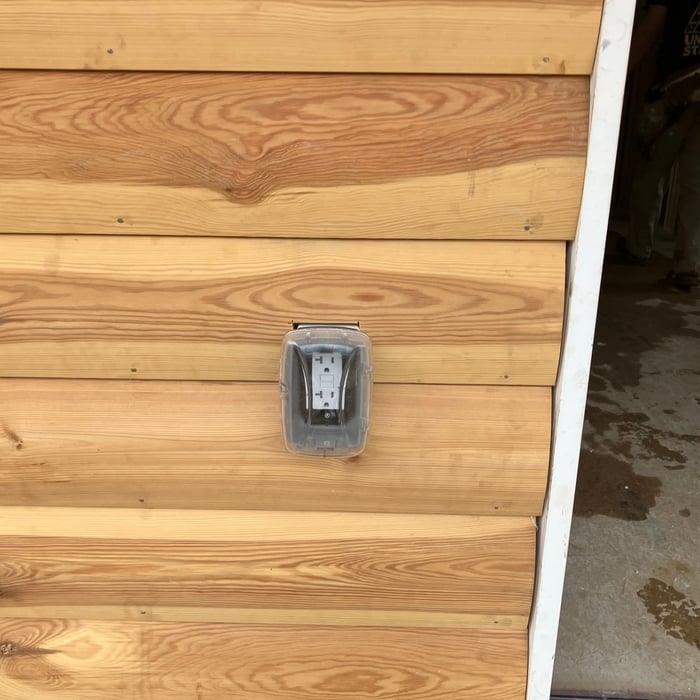
GFCI outlets should be clearly labeled with LINE and LOAD labels, with arrows leading to the proper terminals. The line terminals are typically at the top, and the load terminals are typically at the bottom.
Usually, a light switch goes bad due to normal wear and tear. Light switches are mechanical devices with internal moving parts. These parts make contact with each other, and, over time, the friction can wear them down, causing the switch to feel loose, arc, or fail to operate.
There are several tools available to help prevent electrical fires. First, ensure that you have GFCI outlets installed in necessary areas, along with an AFCI, which is a circuit breaker that can help prevent arc-faults. Investing in surge protectors is also wise, as they can safeguard your appliances and other items against power surges that may overload your outlet and cause sparking.
To power the system down, simply turn it off and cut it off from its electricity. That means removing the transformer from the wall plug and taking out the battery that usually sits within the control panel itself. That will disconnect it from power and essentially reset the entire alarm system.
Hiring a professional electrician to wire a house costs anywhere from $1,500 to $10,000 or more depending on the size and complexity of the project. Most professional electricians charge $50 to $100 per hour. While the extra expense is significant, it’s worth it to ensure the safety of your home’s electrical system.
The Triadelphia, WV homeowners’ guide to electrical services
From average costs to expert advice, get all the answers you need to get your job done.
Before you hire a licensed electrical contractor, you should learn the cost to run electric from the road to your house so you can budget for the project.
Whether you’re shopping for a new home or simply doing a safety check on your current place, learn what factors influence an electrical inspection cost.
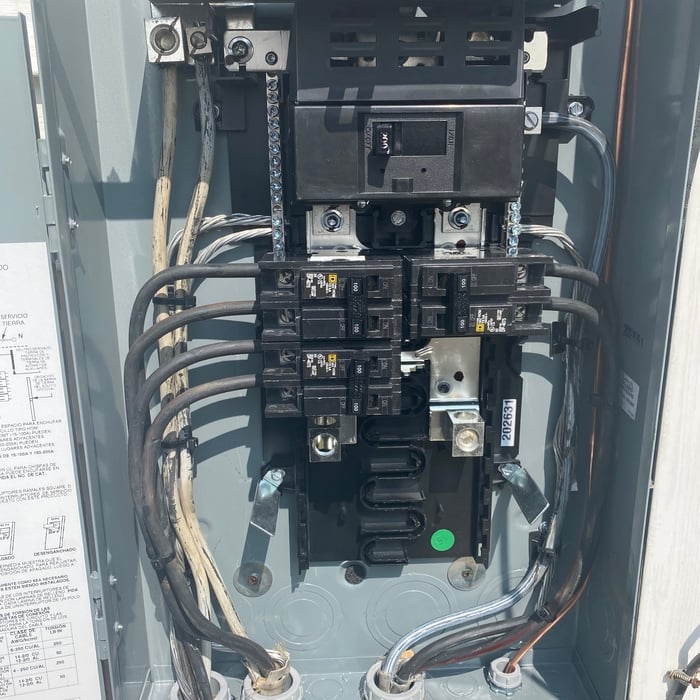
Is it time to upgrade your electrical panel? For the sake of safety, find out sooner than later by exploring our top signs that it’s time for an upgrade.