

Top-rated insulation pros.

Best insulation pros near West Henrietta, NY

Enter your zip and get matched with up to 5 pros

Need a pro for your insulation service project in West Henrietta, NY?

Select your specific project to find the pro for you.

TRUSTED BY WEST HENRIETTA, NY HOMEOWNERS

  • Average homeowner rating star icon4.3
    Average homeowner rating
  • Verified reviews icon79
    Verified insulation services reviews

Top-Rated Insulation pros in West Henrietta - Updated Nov 2026

John Betlem Heating & Cooling Inc - Electrical
4.7(
157
)
Blown-In Insulation - Install or UpgradeSpray Foam Insulation - InstallBatt, Rolled or Reflective Insulation - Install or Upgrade+1 more

Serving West Henrietta, NY and surrounding areas

Approved (Corporate)

In business since 1941

Free estimates

Emergency services offered

John Betlem Heating & Cooling is a 3rd generation company founded in 1941. They provide Residential HVAC, Electrical and Insulation Services to Rochester, NY and the surrounding towns. John?s slogan that still holds true today is to do ?whatever it takes? to satisfy customers. \n \nJohn Betlem is a premier family operated solutions provider, passionately committed to the health, safety, and comfort for all they serve.

12 neighbors recently requested a quote
Recommended by91%of homeowners
Angelo's Southern Tier Spray Foam
4.2(
44
)
Spray Foam Insulation - Install

Serving West Henrietta, NY and surrounding areas

Approved

In business since 2015

Free estimates

Emergency services offered

"Professional. Fair price. Courteous. Punctual. Answered all of our questions & gave us good recommendations of what was needed to insulate the mudroom attached to our mobile home. I would HIGHLY recommend Ross & Tara to insulate your home or business."
Response time3 days
Recommended by84%of homeowners
Mr. Sprayfoam, Inc.
4.5(
27
)
Blown-In Insulation - Install or UpgradeSpray Foam Insulation - Install

Serving West Henrietta, NY and surrounding areas

In business since 2000

Free estimates

Credit card accepted

"Mark was very professional and gave a complete explanation of the estimate and work involved. while only one man showed up on the date scheduled for insulation, he completed the exterior walls foam insulation work including the interior basement rim in the day as promised and was very courteous and thorough. I have noticed quite an improvement in the warmth of my home and especially since we have had 2 very cold weeks since Christmas. negative degrees! I am very pleased with the company and the work."
Response time2 days
Recommended by95%of homeowners
...
Showing 1-10 of 52
Insulation FAQs, answered by experts

Yes, it is possible to have too much insulation, which can have detrimental effects. While more insulation might seem better for energy efficiency, a home needs to "breathe" or ventilate to release moisture that accumulates inside. Over-insulating can seal a house too tightly, trapping water vapor and leading to several problems, including mold, mildew, and condensation. Homes in warm, humid climates are particularly susceptible to mold, while those in colder climates can experience condensation from temperature fluctuations. Additionally, adding more insulation than the recommended amount for your climate may not provide recoverable energy savings. To avoid these issues, consult a professional insulation contractor who can determine the optimal amount of insulation for your home.

R-30 insulation is better for higher thermal resistance, but whether it’s "better" depends on the application. R-30 is much thicker and suited for areas like attics or floors in cold climates, where more insulation is required. R-13, on the other hand, is thinner and works well for 2x4 walls or milder climates where less insulation is sufficient. Choosing between R-13 and R-30 depends on the area being insulated and the climate. For example, R-30 provides more insulation but may not fit everywhere in your home.

Canned spray foam has an R-value of R-3.7 per inch. However, it’s not great for use as insulation. Also known as single-component spray foam, it doesn’t expand as much as two-part types that work for insulating the whole house. Save the canned foam for gaps around doors and windows.

Excluding carpet, strand-woven bamboo provides excellent underfoot heat. Laminate flooring is also good for insulation and preventing cold feet in the winter. Bamboo tends to work better in climates that have more consistent temperatures, while laminate does a better job at insulating floors in homes that experience more extreme temperature changes, such as the deciduous climates of the northeastern U.S.

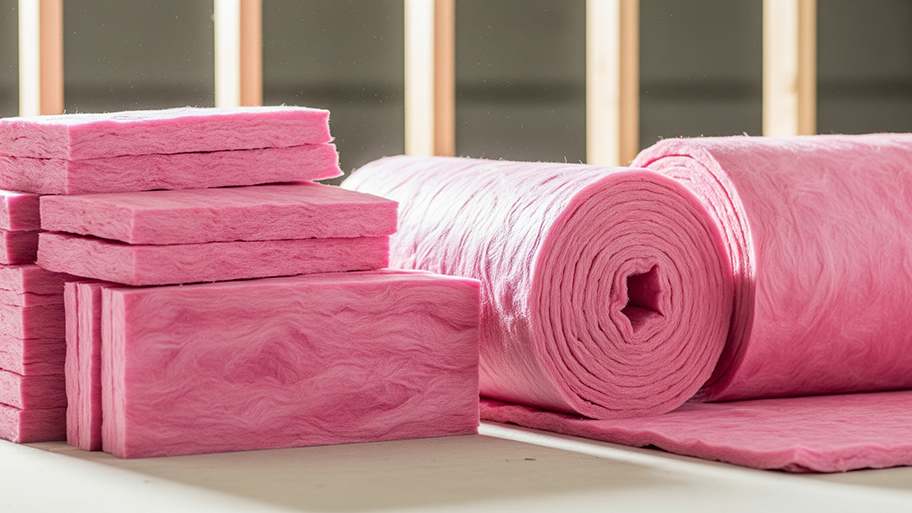
Unfaced wall insulation is easier to cut and install, making it the better choice for a DIY project. It’s also more affordable. But if it’s unfaced, you’ll likely need to add a vapor barrier to reach your desired R-value and efficiency, as it doesn’t offer any moisture barrier.

Faced insulation uses paper or foil to create a built-in barrier and doesn’t require an extra step. It’s also more fire-resistant and safe. But it’s quite a bit more expensive and a little bit harder to work with as a DIYer.

The West Henrietta, NY homeowners’ guide to insulation services

From average costs to expert advice, get all the answers you need to get your job done.