
What's keeping your home warm? Learn the differences between cellulose vs. vermiculite insulation and why it matters.
Don’t panic if you have vermiculite insulation, but use caution

Vermiculite insulation contains asbestos when sourced from contaminated mines, and disturbing this material releases microscopic fibers you can inhale without knowing.
Expect to pay $100 to $2,000 for asbestos testing and $450 to $6,000 for vermiculite insulation removal, with averages around $500 and $2,200.
Homes built between the 1920s and 1990s often have vermiculite insulation, so check your attic for loose gray-brown material resembling tiny peanuts.
Hiring a local asbestos abatement professional keeps your family safe by using specialized equipment and protective measures to remove contaminated insulation without releasing harmful fibers.
If you have an older home, you know the importance of insulation in the attic to improve energy efficiency. Unfortunately, you may have a dangerous type of insulative material in your attic without knowing it. What is vermiculite insulation? It is insulation made from a naturally occurring mineral, but it sometimes inadvertently contains asbestos.
What is vermiculite insulation? It is a loose-fill, lightweight type of insulation often found in attic areas and walls. It is fire resistant and doesn’t generate an odor, making it popular for use as insulation until a few decades ago. Because of the discovery of potential asbestos contamination, no one installs new vermiculite insulation anymore. You could still have it in your home, though.
Vermiculite is a naturally occurring mineral mined from the ground. When mined, it looks like shiny flakes.
When used as insulation, the manufacturer would heat the flakes of vermiculite, causing them to expand as much as 30 times their original size. It almost looks like the bellows on a tiny accordion after heating. This heating process yields the texture of the vermiculite insulation.
Mines for vermiculite are found throughout the world. In the United States, one of the largest vermiculite mines over the past century was in Montana. Unfortunately, much of the vermiculite in this mine had an asbestos contamination, including the vermiculite used in insulation.
The fact that the vermiculite in the Montana mine had asbestos wasn’t known until a few decades after the cancer warnings about asbestos became common, meaning vermiculite insulation continued to go into homes.

Now that you know what vermiculite insulation is, you may wonder if you have some in your home. What does asbestos insulation look like inside vermiculite insulation?
Look for a loose, pour-in material that almost resembles tiny Styrofoam peanuts up to an inch in length. However, some vermiculite insulation pieces are only slightly larger than a grain of sand. Some of the insulation may still have the shiny flakes included, as some flakes potentially did not expand during the heating process.
Common colors for vermiculite insulation include gray-brown, gray, light brown, brown-black, and silver-gold. If you believe you have vermiculite in your attic, do not disturb it.
Another way to determine if you have vermiculite insulation is by the age of the home. Builders began using vermiculite insulation in the 1920s, although it became especially popular after World War II. Homes built in the 1950s, 1960s, and 1970s potentially have vermiculite insulation.
The contaminated Montana mine remained in operation until 1990, so some builders potentially used vermiculite insulation in the 1980s and 1990s as well. However, the potential asbestos contamination of vermiculite insulation was widely known by the 1980s, so usage dropped off quickly.
What is asbestos? It is a naturally occurring mineral consisting of fibers. Because of the heat resistance of asbestos, people mined this mineral purposefully for many centuries before the discovery of its link to cancer several decades ago.
What does asbestos look like in fiber form? These are microscopic fibers that float in the air. They can hang in the air for several days, and they have no odor. They are many times thinner than a human hair, so it is impossible to see the fibers floating. They do not irritate your eyes or throat, so you will not know when you are inhaling them.
Should you inhale asbestos fibers, you could suffer lung problems, including lung cancer, lung damage (called asbestosis), fluid around the lungs, and mesothelioma. The fibers actually cause scarring in the lungs, leading to health problems related to the lungs.
Because of its ability to resist fire, asbestos appeared in many common products made for homes. However, by the 1930s, researchers discovered that inhaling asbestos fibers may lead to cancer. By the late 1940s, severe warnings about asbestos and potential cancer exposure were common.
People who have asbestos exposure may not know it until symptoms show up anywhere from 10 years to 40 years after the exposure. The health problems build up slowly over time. Some common health issues related to an asbestos exposure include:
Shortness of breath
Difficulty breathing deeply
Persistent cough
Persistent hoarseness
Cough that brings up blood
Pain in the chest and abdomen
Swelling in the neck and face
Healthcare providers can test you for symptoms related to asbestos exposure if you have these symptoms. However, such tests may only occur if you know you have a potential exposure to asbestos along with the symptoms.
It’s important to note that not everyone who has vermiculite insulation automatically suffers health problems from asbestos exposure. Any asbestos fibers would not go into the air unless you would disturb the vermiculite insulation.
If you have vermiculite insulation, don’t move it yourself and don’t disturb it. Call professionals as soon as possible for help with testing and removing it.
If you believe you have vermiculite insulation, reach out to a local asbestos removal company for testing and potential removal.
The asbestos testing cost typically ranges from about $100 to $2,000, with an average of almost $500. For this fee, the company would test for asbestos throughout your home, not just where the vermiculite insulation exists.
To remove vermiculite insulation, you should hire an asbestos removal company. The vermiculite insulation and asbestos removal cost can range from $450 to $6,000 with an average of about $2,200.
Learning how to remove vermiculite insulation is a job best left to professionals. Pros will take multiple safety precautions to remove the vermiculite insulation, including wearing safety gear and protecting against releasing any asbestos fibers into the air. They may use a vacuum with special filters, or they may scoop it into disposal containers.
Placing new insulation in the attic usually involves products like fiberglass or mineral wool (also called rock wool).
Does rock wool insulation contain asbestos? Through the 1980s, some rock wool insulation potentially had asbestos fibers, but rock wool products made since then should not include asbestos.
Does fiberglass insulation contain asbestos? When comparing asbestos vs. fiberglass, both are fibrous materials. However, fiberglass is man-made, while asbestos is naturally occurring. Fiberglass insulation exposure has no known cancer risk at this time, making it far different from insulation and other products containing asbestos.
One of my old tall evergreen trees was suddenly leaning toward the busy street in front of my house. I submitted a request for an emergency tree inspection, and Alejandro, owner of Cajete Tree Service, contacted me immediately and arrived to look at it just 20 minutes later. We agreed the...
 Cajete Tree Service LLC
Terrible experience. Walls/trim/floors/cabinets/doors all have drip marks, overspray, etc. Tiling at the fireplace had to be redone by another vendor due to incorrect and shoddy install by Profect. Contractor had his children in our house while he was on site without prior authorization or...
 Profect painting & exteriors
Lyle did a great job removing asbestos shingles from our front porch roof. They worked together with our roofer to make sure that the new roof was able to be installed on the same day that Lyle removed the asbestos shingles.
 Lyle Environmental
Involved an extensive bathroom remodel, including removing tub & installing walk in shower, new drywall, custome tile work to ceiling, plumbing, etc. Overall, job was done on time and on budget. Nick & his team were very professional and had high attention to detail. Quality was great. Highly...
 Stamos Flooring and Remodeling LLC
A team of 2 spent 5 hours, cleaning top to bottom (removed all light fixture and cleaned.... impressive!!!)
 Luzia's Cleaning
Great Job!!! Martin called me after I requested a estimate on Home Advisor. He was very professional and actually went the same day and looked at the tree I needed removed gave us a estimate and I felt it was very aggressive so I did not even call for any other bids. I asked him how soon he...
 Reyes Tree Service LLC - Home Facebook
Mike and his crew did a great job working through a very challenging task. The job required a full demolition of our ceiling, removing the blown in insulation and removing all the material from the site daily. It involved multiple inspections from the city and many challenges to get the...
 Rising Height Unlimited
Removed various items (furniture, lamps, other junk) from my home. They were on time, personable, professional, etc. I can't say enough positive things about this company. <br />
The task proved more difficult than anticipated. When they arrived the first day, they had no tools with them at all, and had to make a run to purchase appropriate tools. It was quickly determined that the paper had to be steamed off, and neither the workers, nor the company itself, had...
 ABS Interiors of Mid-Ohio LLC
We needed them to do extra work to remove existing wallpaper, and provide full primer and painting/trim work around existing furniture etc, during a move-in period. They did everything top-notch with minimal mess. They were always extremely on time, and very professional. They also cleaned...
From average costs to expert advice, get all the answers you need to get your job done.
What's keeping your home warm? Learn the differences between cellulose vs. vermiculite insulation and why it matters.
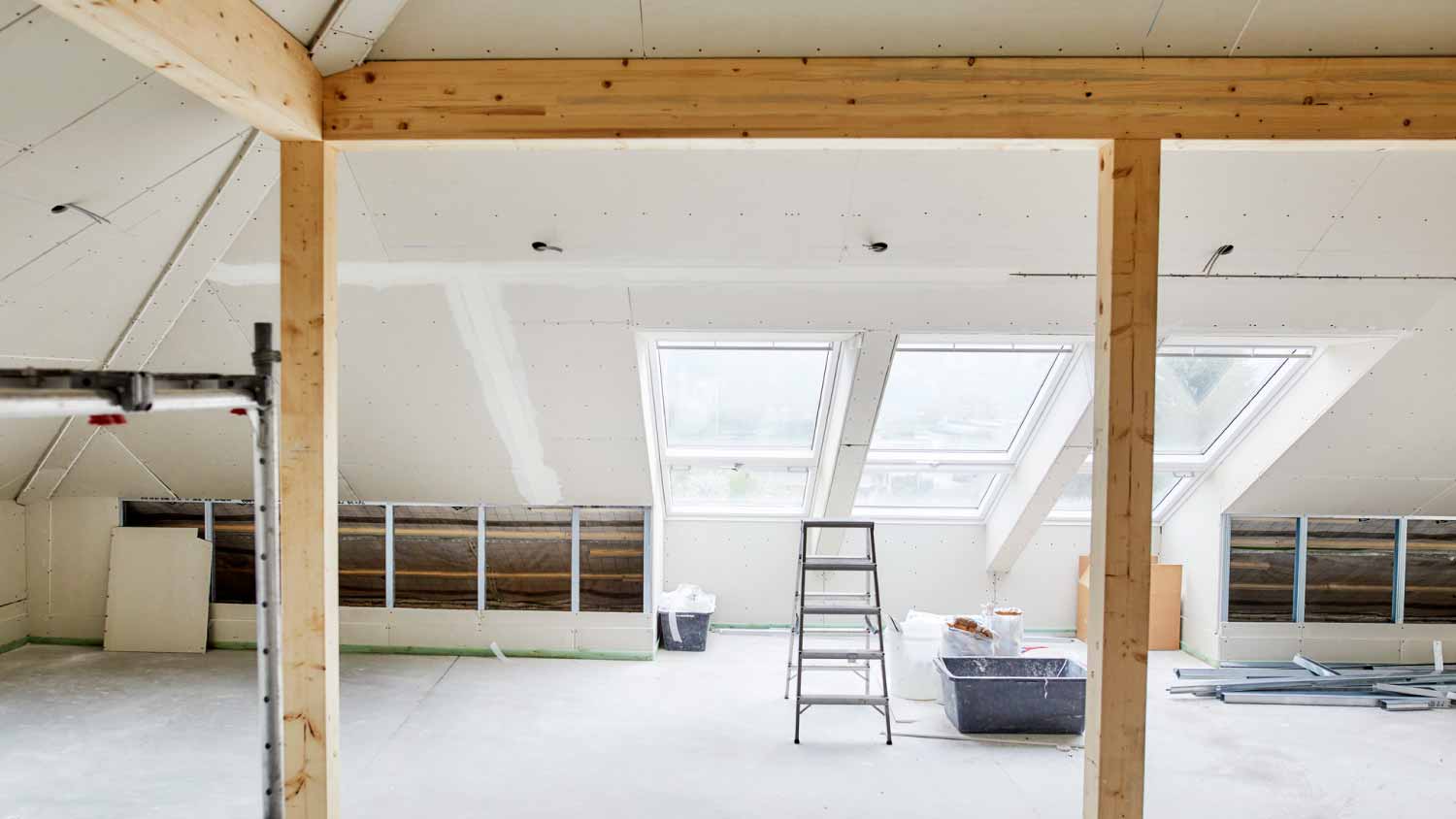
If you suspect there is vermiculite insulation in your home, you likely want it gone. Learn how to remove vermiculite insulation safely and quickly.
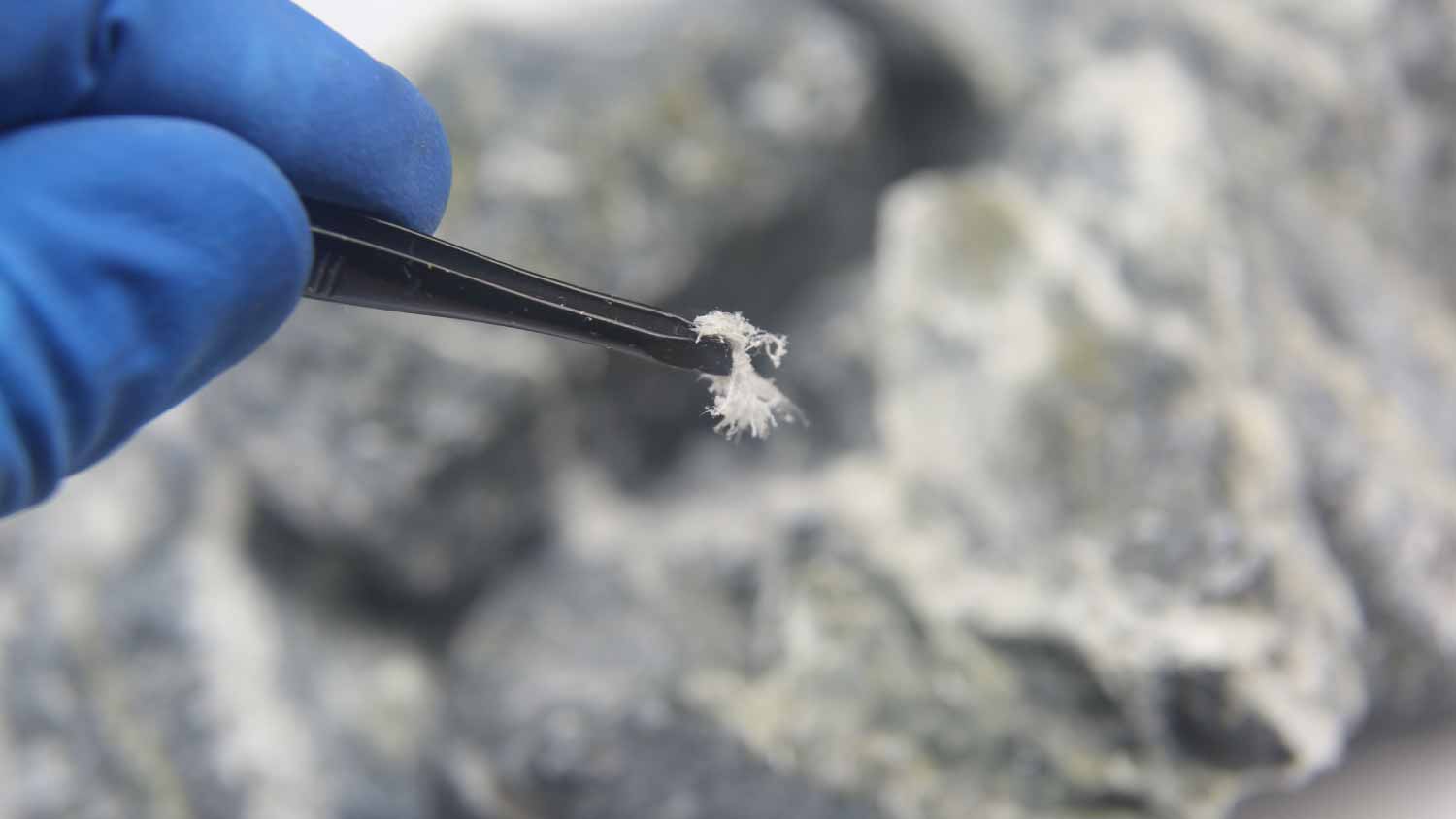
Asbestos-containing insulation is banned or restricted in many countries, but it's still found in some homes. Use this guide to identify if you have the hazardous material in your home.

It may keep your home warm and toasty, but is insulation dangerous? Learn four potential insulation health hazards, and how to prevent them from occurring.
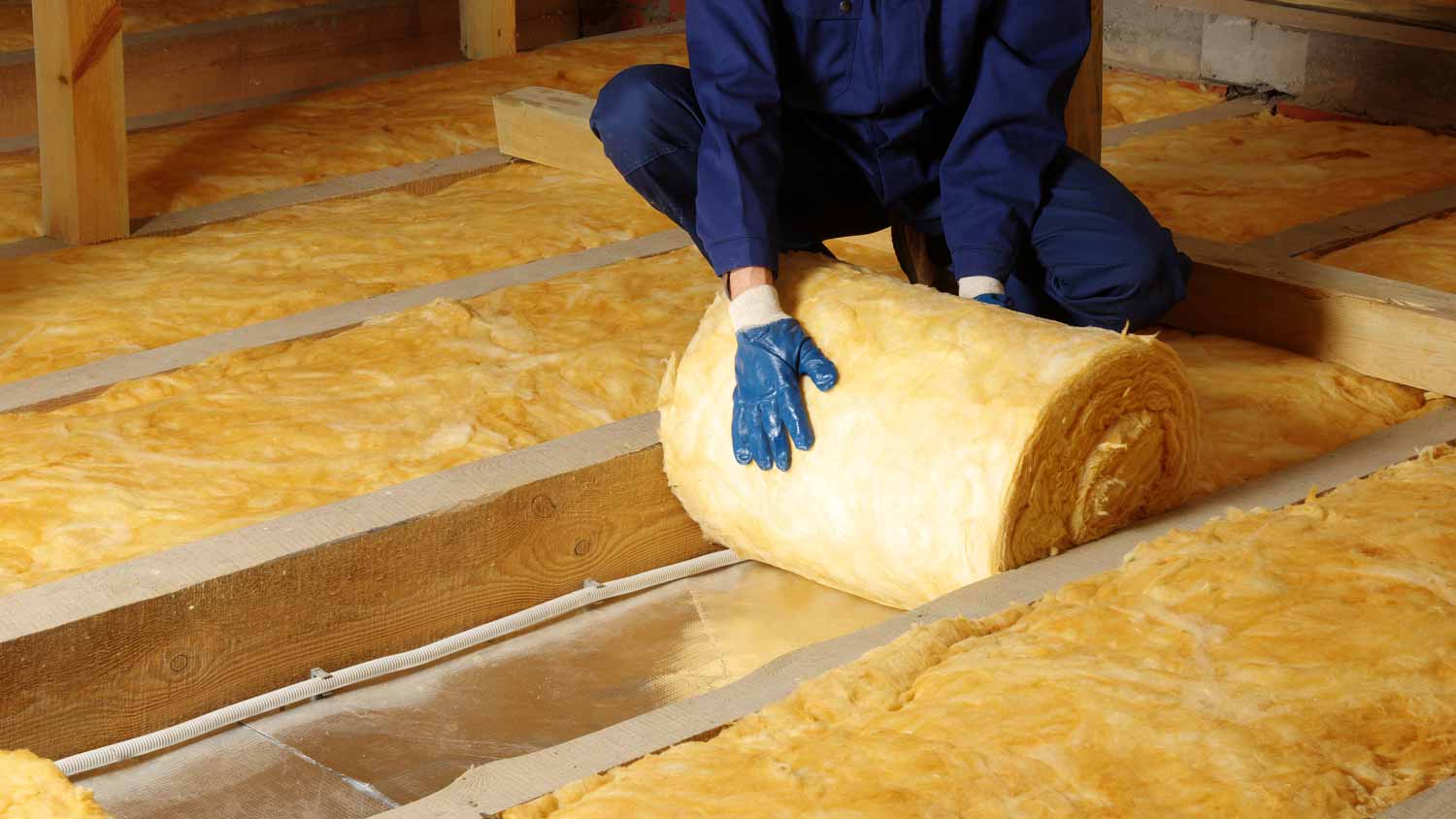
What is insulation? This behind-the-scenes home fixture will maintain comfortable temperatures in your home no matter the season. It’ll lower energy bills, to boot.
The best insulation for your basement depends on the insulation location, budget, and climate. Here’s what you need to know about insulation for basements.