








Harris Property Services
Handyman for Multiple Small Projects
Serving Newark, NY and surrounding areas
Approved
"Nice young man, hard worker, and happy with final result. Showed up on time and worked hard."

 4.6
4.6  46
46 *The Angi rating for Fire Pit Installation companies in Newark, NY is a rating based on verified reviews from our community of homeowners who have used these pros to meet their Fire Pit Installation needs.
*The HomeAdvisor rating for Fire Pit Installation companies in Newark, NY is a rating based on verified reviews from our community of homeowners who have used these pros to meet their Fire Pit Installation needs.
Last update on June 25, 2025
Serving Newark, NY and surrounding areas
Approved
"Nice young man, hard worker, and happy with final result. Showed up on time and worked hard."
Serving Newark, NY and surrounding areas
Approved
Handyman services with also interior design help. Honey do list specialist

Serving Newark, NY and surrounding areas
Approved
Free estimates
Emergency services offered
Small jobs welcome
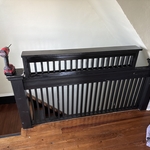
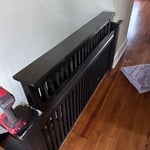
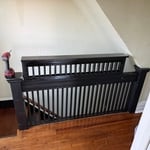
Reliable, detail-oriented, and committed to quality, I provide professional handyman services designed to make your home projects stress-free. With experience in a wide range of repairs and improvements—from small fixes to larger projects—I take pride in delivering workmanship you can trust.\n\nWhether it’s plumbing, electrical work, carpentry, painting, or general maintenance, I approach every job with care, precision, and respect for your home. I show up on time, communicate clearly, and make sure the job is done right the first time.\n\nMy goal is simple: to provide dependable service, fair pricing, and results that last. No project is too small, and your satisfaction is always my priority.\n

+7
Serving Newark, NY and surrounding areas
Approved
Free estimates
Emergency services offered
Warranties offered
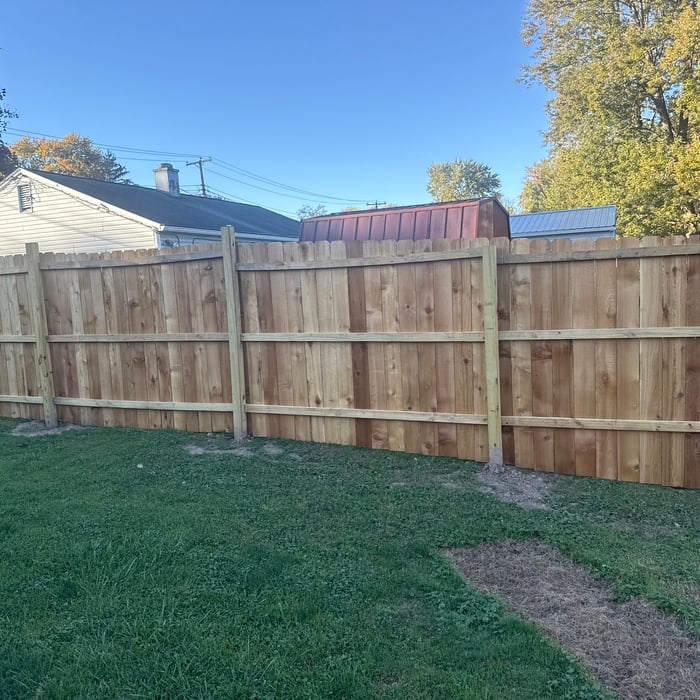
I provide multiple different services from painting to staining powerwashing soft washing and tree removal to just name a few I also build fences porch steps etc

Serving Newark, NY and surrounding areas
Approved
Hi, I’m Alex, a reliable and professional handyman serving the Rochester area. I take pride in providing high-quality workmanship, attention to detail, and excellent customer service.\n\nMy services include door installation, drywall repair, interior painting, trim and baseboard installation, flooring, cabinet installation, TV mounting, furniture assembly, minor plumbing repairs, and general home maintenance.\n\nI treat every home with care and complete each project with professionalism, honesty, and attention to detail. My goal is to make every job simple and stress-free for my customers.\n\nContact me today for a free estimate!

Serving Newark, NY and surrounding areas
Approved
Offers commercial services
I’m Ryan — a dependable solo handyman with a few years of hands-on experience keeping homes and properties in top shape. From minor repairs to routine maintenance, I bring reliable craftsmanship, attention to detail, and a get-it-done attitude to every job
Serving Newark, NY and surrounding areas
Approved
I started my business because I’ve always been a hardworking, hands-on person who takes pride in making things look their best. I have experience with landscaping, flower bed maintenance, weeding, trimming, mulching, seasonal cleanups, overgrown property cleanups, and residential cleaning. I proudly serve Rochester and the surrounding Finger Lakes area, including Victor, Farmington, Canandaigua, Ontario County, and nearby communities. What sets me apart is that I genuinely care about my work and my customers. I’m dependable, detail-oriented, not afraid of hard work, and I never believe in cutting corners. I take the time to listen to what each customer wants and treat every property as if it were my own. My goal is to provide quality, honest, reliable service while leaving every customer with a finished product they can be proud of—and a reason to call me again

Serving Newark, NY and surrounding areas
In business since 2019
Free estimates
Small jobs welcome
"they did a great job"

Serving Newark, NY and surrounding areas
In business since 2020
Free estimates
Warranties offered
"He is quick, efficient, takes his time to make sure everything is done properly."

+12

Serving Newark, NY and surrounding areas
In business since 2024
Free estimates
Emergency services offered
"Curtis and his helper did a fantastic job! The cabinets weren't the best made but they made sure they were hung properly and level. We had no problem installing a microwave to one of them. They arrived on-time and communication was excellent. I'd highly recommend hiring him for any handyman job."
From average costs to expert advice, get all the answers you need to get your job done.

A fire pit installation costs $850 on average but can vary by size, fuel type, materials, and more. See how much you need to budget for a new fire pit.

Discover fire door cost data, including installation, materials, and tips to save. Learn what impacts fire door pricing and how to budget for your project.

Discover home fire sprinkler system costs, including installation, maintenance, and key cost factors. Learn how to budget and save on your home fire protection.

Spark inspiration for your outdoor oasis with these fire pit ideas that will keep you warm and your space inviting for your family and friends.

A fire pit adds attractive entertainment space to your backyard. Learn about standard fire pit dimensions and what factors contribute to fire pit size.

Backyard fire pits add light, heat, and ambiance to your outdoor space. Read on for a summary of a fire pit's key benefits.