



Top-rated drywall pros.

Get matched with top drywall pros in Newark, NY

Enter your zip and get matched with up to 5 pros

Need a pro for your drywall service project in Newark, NY?

Select your specific project to find the pro for you.

TRUSTED BY NEWARK, NY HOMEOWNERS

  • Average homeowner rating star icon4.5
    Average homeowner rating
  • Verified reviews icon34
    Verified drywall services reviews

Find Drywall pros in Newark

Avatar for Marty Gauger  Drywall
Marty Gauger Drywall
3.9(
77
)

Serving Newark, NY and surrounding areas

Approved

In business since 2005

Free estimates

Small jobs welcome

"Marty called me back and scheduled me quickly, and found a carpenter to help with my repair. High quality work, very satisfied"
Response time2 days
23 neighbors recently requested a quote
Recommended by94%of homeowners
Avatar for R&D Design Studio
R&D Design Studio
5.0(
1
)

Serving Newark, NY and surrounding areas

Approved

Small jobs welcome

"So happy we chose R&D for our exterior wall repairs! they were great to work with throughout the process of what turned out to be a complicated issue. Their communication was really appreciated as they dug into things and problem solved some unique issues with how the previous home owners had cut corners on the house. R&D wasn’t the cheapest initial bid we received but I have no doubt that we would have wound up paying more in the end for a lower quality result with anyone else. Thanks guys!"
1800's Home Addiction

+6

2 neighbors recently requested a quote
Avatar for Pro painting
Pro painting
New to Angi

Serving Newark, NY and surrounding areas

Approved

Free estimates

Credit card accepted

Professional painting is what we do. Prepping is key when you want a professional outcome. We take pride in our work and love what we do. Choosing us will be the first step into having quality work done in your home or project.

Full interior
Full interior
Full interior
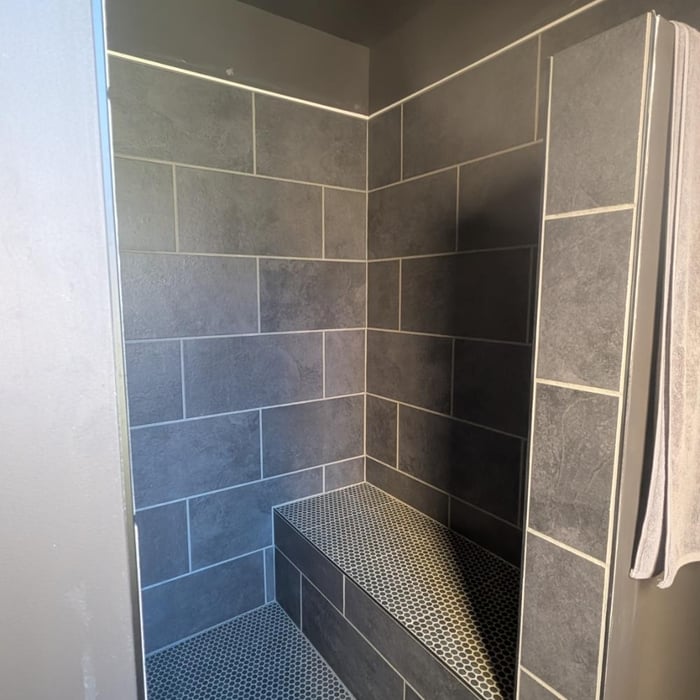
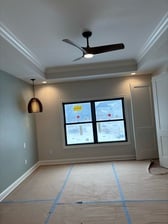
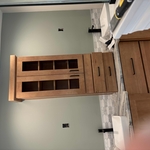
Avatar for R-Dubs Remodeling & Property Maintenance
R-Dubs Remodeling & Property Maintenance
New to Angi

Serving Newark, NY and surrounding areas

Approved

Free estimates

Emergency services offered

Warranties offered

My Name is RJ Williams (Owner/Carpenter) with R-Dubs Remodeling & Property Maintenance LLC, where we are here to provide various services for your most important and expensive investment. I have been remodeling homes starting with a flooring career, to windows & doors, kitchens & bathrooms and more. We pride ourselves on our care for our clients (communication & Cleanliness), competitive pricing, attention to details, and virtual (hassle-free) estimate/booking process.

...
Showing 1-10 of 110
Drywall questions, answered by experts

In framing, studs are placed at 16-inch intervals to coincide with the typical spacing of wall materials such as drywall or plywood. This spacing is called "on-center" and is necessary for maintaining structural stability and efficient use of materials. The 16-inch spacing also helps to distribute the weight evenly across the building's structure. For those looking to cut material costs and improve energy efficiency, 24-inch stud spacing can be employed through a method called "advanced framing". This requires careful planning and adherence to local building codes to ensure structural integrity.

You’ll get better results if you soundproof the whole wall. A hole through which light can pass can also let sound waves in. Acoustical or silicone sealant applied to holes and cracks can block enough sound to make a difference. However, the more layers absorb vibrations and slow or stop sound waves, the less noise you’ll have. 

The age of your home can clue you in to whether you have plaster or drywall ceilings. Homes built after the ‘70s are more likely to have drywall ceilings and walls, while older homes have plaster. You can also do the pushpin test: A pushpin will go into drywall, whereas it’s much harder to push one into a plaster wall. If you’re still unsure, ask a drywall professional to let you know which type of ceilings and walls you have.

Although they are used for similar tasks, spackle and joint compound are not the same. Joint compound, also known as drywall mud, consists of limestone and gypsum and is primarily used for large-scale projects like taping and finishing seams on new drywall. Spackle is composed of gypsum and binding agents, making it a thicker compound best suited for small wall repairs like filling nail holes or cracks, as it dries quickly and is easy to sand. For small repairs, either product can be suitable. However, you can use joint compound for small jobs in place of spackle, but you cannot use spackle for large-scale taping and mudding projects.

Yes, as drywall mud is going to have some uneven spots and bumps after application. Such imperfections are going to be visible after everything dries and even after you paint the wall, so you want to remove them. Learning how to sand drywall, taking your time, and following drywall sanding tips can help you have the best results.

The Newark, NY homeowners’ guide to drywall services

From average costs to expert advice, get all the answers you need to get your job done.