


Top-rated septic tank pros.

Get matched with top septic tank pros in Lake Peekskill, NY

Enter your zip and get matched with up to 5 pros

Need a pro for your septic tank service project in Lake Peekskill, NY?

Select your specific project to find the pro for you.

TRUSTED BY LAKE PEEKSKILL, NY HOMEOWNERS

  • Average homeowner rating star icon4.5
    Average homeowner rating
  • Verified reviews icon198
    Verified septic tank services reviews

Find Septic tank pros in Lake Peekskill

Avatar for JSP Home Services
JSP Home Services
3.9(
140
)
Septic System - RepairSeptic System - Repair - For Business

Serving Lake Peekskill, NY and surrounding areas

Approved

In business since 2006

Free estimates

Credit card accepted

"The well tank was replaced, and boiler coil was flushed. The job was top notch and Bryan K. answered all my questions and explained everything to me on the final walkthrough. His assistant Sam was also professional and friendly. They are both A-1."
JPS
26 neighbors recently requested a quote
Recommended by86%of homeowners
Avatar for Frog Hollow Development
Frog Hollow Development
5.0(
3
)
Septic System - Install or ReplaceSeptic System - Repair

Serving Lake Peekskill, NY and surrounding areas

Approved

In business since 1987

Free estimates

Small jobs welcome

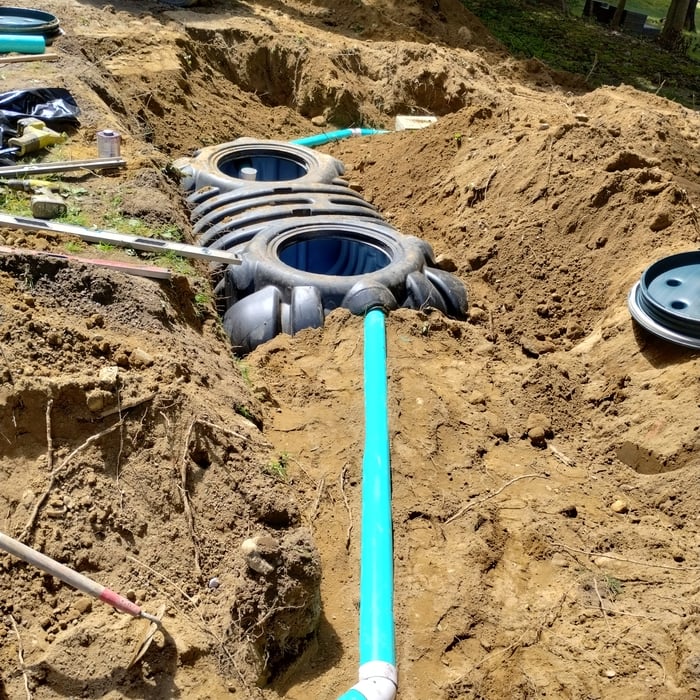
Frog Hollow Development offers all excavation services, from the foundation to the final grade. We provide unmatched customer service and outstanding quality. We serve Dutchess County, New York, and the surrounding area. We are fully insured. We take great pride in our experience and expertise stretching over three decades that we provide to meet the consumer's needs. From digging a foundation to installing a septic system, we are the ideal contractor to address your practical and exterior property improvement needs.\n

...
Showing 1-10 of 66
Septic Tanks questions, answered by experts

Septic tanks appear full after pumping because the liquid levels have returned to normal. If you can see the pipe, the tank is empty. However, heavy rain can cause septic tanks to fill faster than normal. You might also have leaky pipes or faucets, causing extra water to drip down the drains and into the septic tank.

Talking with a septic pro before planting trees near your tank is best to ensure the roots won’t interfere with your septic system. However, there is an easy way to figure out where to plant a tree—but you’ll need to know how tall it can get when it’s fully grown. For instance, if the tree can reach 50 feet, plant it at least 50 feet from your septic system.

A septic system's lifespan typically ranges from 15 to 40 years, with a common average of 20 to 30 years. The longevity heavily depends on the tank's material, maintenance diligence, and usage habits. With proper care, lifespans can reach the upper end of this range.

Lifespan by Tank Material:

  • Concrete: 20 to 40 years

  • Plastic or Fiberglass: 30 to 40 years

  • Steel: 15 to 20 years

To maximize your system's lifespan, follow these maintenance best practices:

  • Regular Pumping and Inspections: Have the tank pumped every three to five years and schedule professional inspections regularly.

  • Mindful Usage: Only flush human waste and toilet paper. Avoid putting items like cat litter, paper towels, cigarette butts, fats, grease, oils, or coffee grounds down your drains.

  • Avoid Chemicals: Do not pour harsh chemicals into the system.

  • Water Conservation: Reduce the amount of wastewater your system has to process.

  • Protect the Drain Field: Avoid driving or building heavy structures over the drain field area.

A septic tank is an underground container that collects and holds wastewater until it’s sufficiently filtered and broken down. It treats wastewater by separating waste so the leftover liquid can travel into the drainfield where the soil and gravel eventually filter and purify it. This process naturally eliminates bacteria, viruses, and other contaminants.

There are a couple of ways you can determine the depth of your well. One method is to use a device called a well sounder. This tool has a long measuring tape containing a sensor to alert you once the end reaches the water. 

Or you can DIY it by using a long tape measure with a half-filled bottle of water attached to it. Lower the tape measure into your well. Once you feel tension on the tape, you’ll know the bottle has reached your static water level. This will give you an approximate idea of your well’s depth.

The Lake Peekskill, NY homeowners’ guide to septic tank services

From average costs to expert advice, get all the answers you need to get your job done.