
You should do a septic inspection once every one to three years to ensure you don’t have any issues. Learn about septic inspection costs before scheduling.
Here’s what to expect when you’re expecting (a septic inspector)

A septic tank inspection checks your entire system for leaks, blockages, and drainage problems to ensure everything runs properly and catches issues early.
Expect to pay $550 for a comprehensive septic tank inspection, and addressing problems early helps you avoid repair costs that average over $1,800.
Your inspector will test all water sources inside your home and check the drain field outside for pooling, odors, or sogginess that signal system failure.
Hiring a local septic tank company provides reliable support for comprehensive inspections, helping you understand your system's condition and plan pumping schedules confidently.
Your septic system performs a vital job, and regular septic inspections are the best way to make sure it keeps running properly. A septic inspection from a vetted professional will ensure your system is free of leaks, blockages, and other malfunctions that could cause a smelly situation. During an inspection, a pro will also determine the fullness level of your septic tank and suggest a pumping timeline based on your usage. Here’s what you need to know about septic inspections, including what they entail and how often you need one.
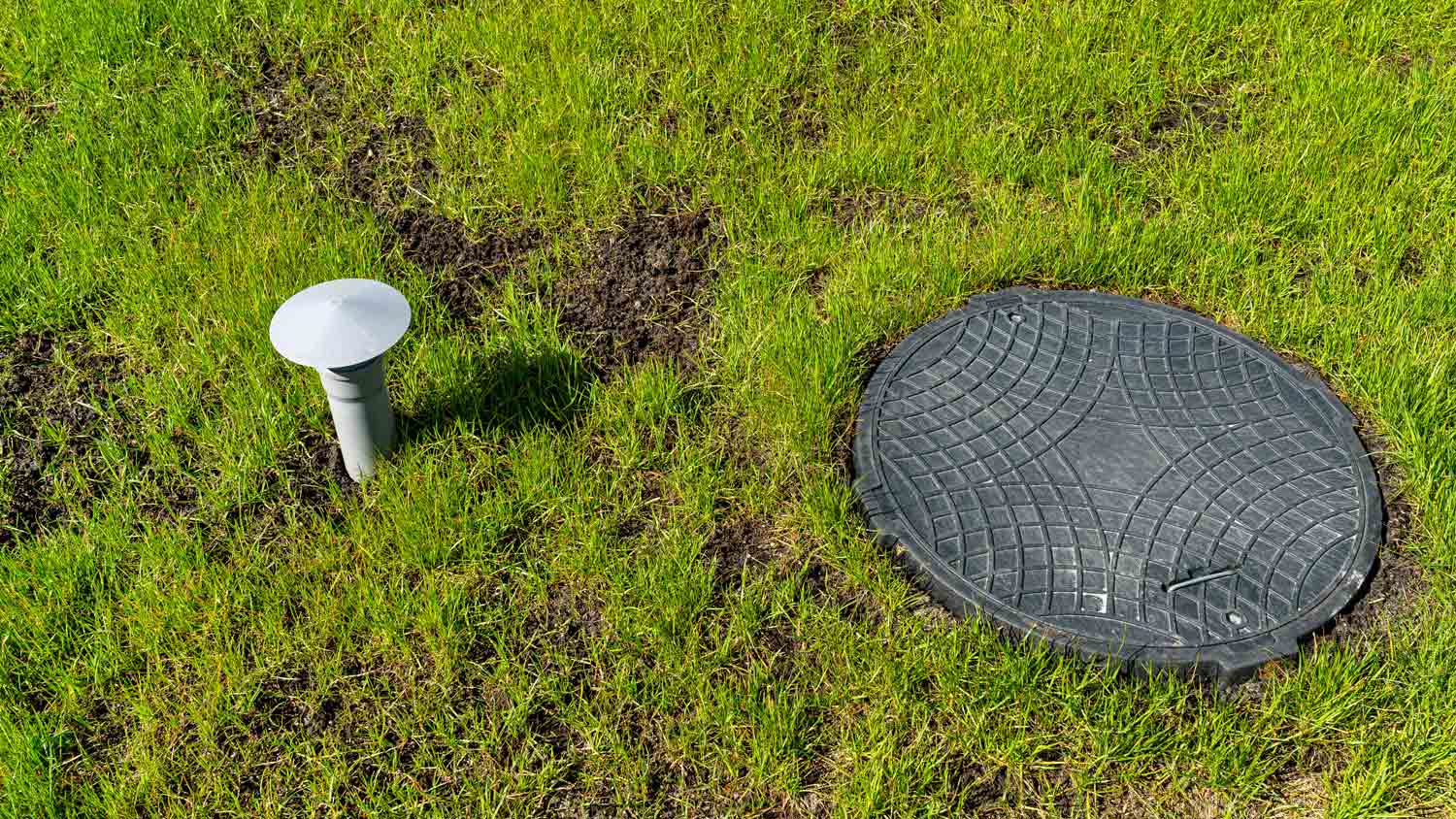
When you call your local septic tank company for an inspection, they’ll show up with a laundry list of checks to perform. For starters, they’ll need to locate your septic tank and drain field. The location may be obvious, particularly if the system was installed more recently, but in older homes, searching for the components of your system may take some more detective work.
Once they’ve gotten the lay of the land, the septic inspectors will make several assessments. The specifics will depend on whether it’s a visual or full septic inspection. If you’re buying or selling a house, a basic visual inspection is required. However, a comprehensive septic tank inspection, or Title 5 inspection, is a more in-depth, regular part of septic tank maintenance that should be carried out every two to five years.
During a visual septic tank inspection, the inspector will ask several questions about the system, including when it was last inspected, how old the house is, and how often the septic tank is pumped out. Your pro will also run water in all the available sites inside your home (sinks, showers, and toilets) in order to assess the water pressure. They’ll also go outside to check the drainage field for pooling, odors, sogginess, or excessive plant growth over the top of the field—all of which can indicate a failure in the system.
During a comprehensive septic tank inspection, all components of the system are evaluated, including the septic tank, leach field, drains, pipes, and pumps that move wastewater between them. The inspector will also come inside your home to perform water tests, just like with a visual inspection.
Here are some more items commonly listed on Title V inspection forms that your pro may talk about or check:
Existence or condition of sink garbage disposal
Recent water meter readings (sometimes going back two years)
Sludge depth
Scum thickness
Date of most recent pumping
Liquid level in distribution box
Alarms
Slope of land at installation site

The septic inspector will look at your yard for common leach field problems like standing water, puddles, and other signs that could indicate it’s not working properly. The inspector may also introduce a special dye to your water system that will visually mark its journey through the system (and, ideally, evenly out into your leach field). However, this may not happen until they come into your home—more on that in just a moment.

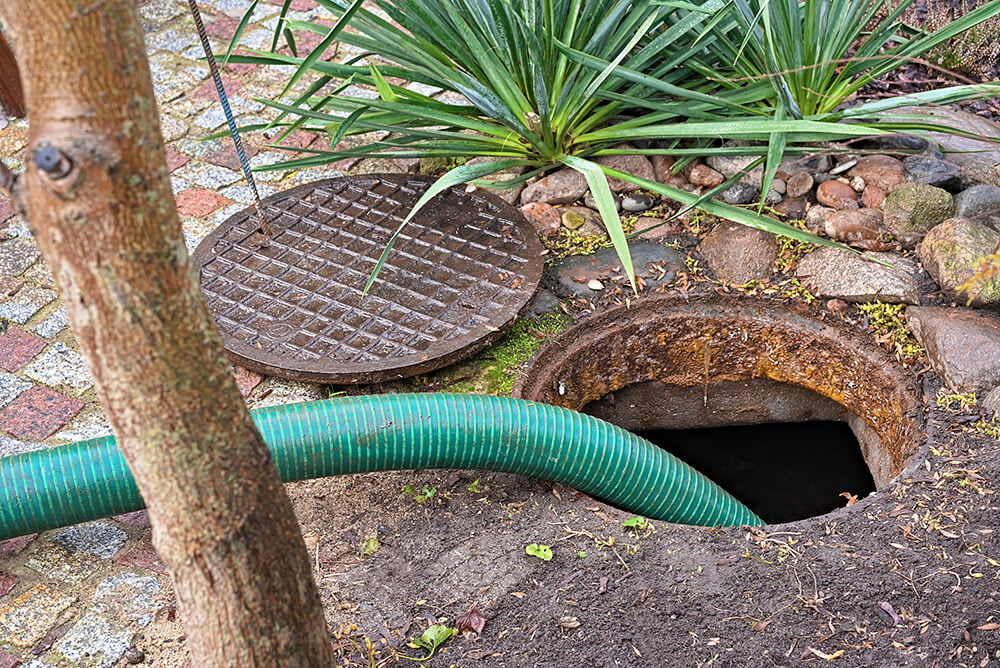
The inspector will also remove the cover of your septic tank to check the water level inside since too much water could indicate a drainage problem. (Septic tanks should always have some water in them, but it should be 8 to 12 inches below the tank’s surface.)
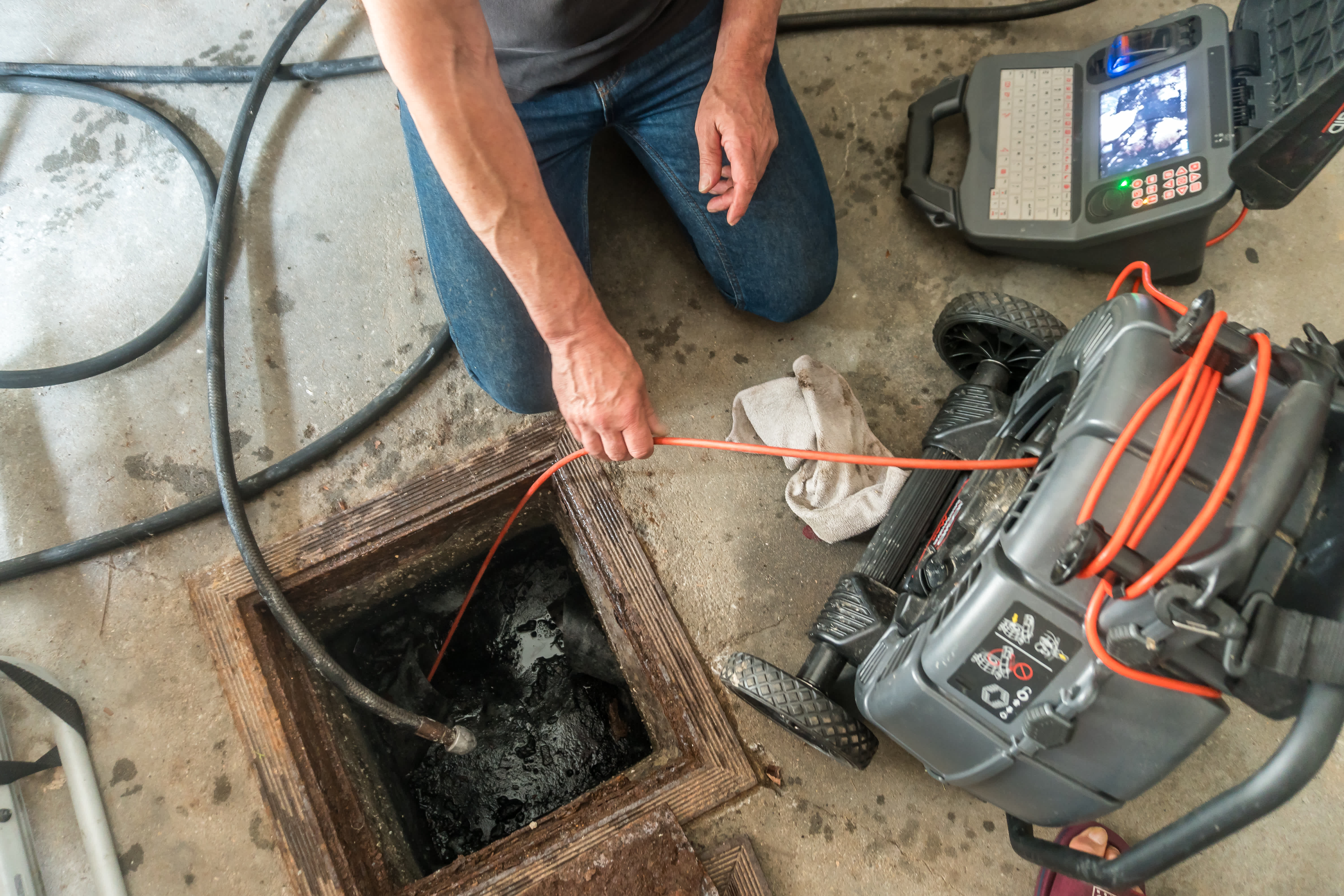
The inspector may use a tool known as a “sludge judge,” which is essentially a hollowed-out tube, to determine how much sludge and scum are present in the tank. This can help them figure out how soon you’ll need to call a septic pro for pumping. If your tank does need to be pumped as part of the inspection, the inspector will use a flashlight to check the tank for leaks that could cause harmful wastewater to leach out into the surrounding environment.
During a septic inspection, the pro will also look at the components of the system that connect the septic tank to the leach field—namely, the distribution box, which helps ensure wastewater is evenly distributed across the drain field. The pipes that connect the septic tank to the distribution box and those that connect the distribution box to the leach field are also subject to inspection.
Again, the inspector will step inside to try out your water sources and ensure there’s proper pressure and drainage. If they do choose to use a dye, they’ll introduce it to the system from inside your home, flushing it through a drain. The dye will be green. If, after a while, your yard looks like the Chicago River on St. Paddy’s Day, it means your system has failed inspection. A complete dye inspection takes between two and four hours on average.

You should get an in-depth septic inspection once every two to five years. Fortunately, that’s how often septic tanks need to be pumped, anyway, which means you can get both done at the same time.
A well-maintained and regularly pumped septic system can last as long as 20 to 30 years. Although they may seem daunting, regular septic inspections are the key to keeping your system in proper, working order for as long as possible. Your pro will do everything they can to ensure a pain-free inspection process that doesn't interfere with your daily activities too much.
Full septic tank inspections cost $550 on average, so add this regular expense to your budget. Although it may seem pricey, it’s an investment that can help you avoid repairs, which can be far more damaging to your budget. The average cost to repair a septic tank is over $1,800.
Visual septic inspections may be done as part of the overall home inspection process during the purchase or sale of a home, and the cost should be built into the overall inspection quote.
I recently moved to another state and chose United Trust Van Lines after comparing several companies. Their team was punctual, professional, and extremely careful with my belongings. I was especially impressed with how they handled my home office setup and fragile items. Everything arrived on...
 United Trust Van Lines, LLC
Positive experience. As previously stated, the replacement/repair could not be completed (no fault of the plumbing tech) b/c misinformation was rec?d by property management maintenance. Thanks to the plumbing tech for your efforts. Appreciate you!
 The Waterworks
As usual with ECO, tech Jordan was outstanding, very professional, very knowledgeable, and very thorough with repairs made to tankless water heaters. Very highly recommend ECO!!!
 Eco Plumbers, Electricians, and HVAC Technicians
I would recommend this company to anyone! He showed up on time, was friendly, completed a very difficult repair on our dryer vent cover, was responsive, and pricing was extremely fair and competitive. I would have him back to do any of our repairs or cleanings without hesitation!
 U.S.A. Dryer Vent, LLC
Best cleaning I've had at my property
I'm a repeat customer of All Star Paving & Sealing and I appreciate the service that all start paving has done for me in the past. I just recently had them out for an estimate and things couldn't have gone better. The staff that they send out to do the estimates are very knowledgeable. The...
 All Star Paving and Sealing
Supreme Brick & Chimney is one of the best service providers I’ve interacted with. Extremely efficient, knowledgeable, and thorough. They took the time to walk me through their detailed full-service inspection and were extremely professional. Not to mention their turnaround time was...
 Supreme brick & chimney
They were great! They were thorough and efficient and paid attention to the details. Definitely recommend. I'm definitely going back!
 FIFI'S EARTH FRIENDLY CLEANING
Storms Mobile Welding was great to work with. They were prompt, professional and did an overall excellent job on the project. I highly recommend.
Great experience all together. Dog friendly, courteous, great results and honest with recommendations. Will certainly be using Cardinal in the future for any carpet repairs
 Cardinal Carpet Care & Repair
From average costs to expert advice, get all the answers you need to get your job done.
You should do a septic inspection once every one to three years to ensure you don’t have any issues. Learn about septic inspection costs before scheduling.
Caring for your septic system is crucial to ensuring its long life. But how much does it cost to pump a septic tank? We explore the different cost factors.
Understand Title 5 inspection costs, including average prices, key cost factors, and tips to save money on your septic system inspection.

In order to function properly, your septic tank needs to be regularly inspected and emptied. How often you should get your septic tank inspected depends on a few factors.

When considering a home in a rural area, you may not have access to a municipal sewer system. Learn all about living with well water and a septic tank before taking the plunge.

Many homebuyers appreciate the reassurance of a plumbing inspection. Use this plumbing inspection checklist to learn about your plumbing system.