


Top-rated arborists.

Get matched with top arborists in Central Valley, NY

Enter your zip and get matched with up to 5 pros

Need a pro for your arboricultural service project in Central Valley, NY?

Select your specific project to find the pro for you.

TRUSTED BY CENTRAL VALLEY, NY HOMEOWNERS

  • Average homeowner rating star icon4.5
    Average homeowner rating
  • Verified reviews icon275
    Verified arboricultural services reviews

Find Arborists in Central Valley

Alejandro & Son Landscaping, LLC
5.0(
13
)

Serving Central Valley, NY and surrounding areas

Approved

In business since 2016

Credit card accepted

Offers commercial services

"Alejandro came by to scope out landscaping work and provided a reasonable quote and even went above and beyond my original request. He is a landscaper that knows his profession and performs work efficiently and professionally. I would highly recommend him."
Response time5 hrs
Response rate91%
2 neighbors recently requested a quote
Avatar for Salazar and Sons INC
Salazar and Sons INC
4.9(
11
)

Serving Central Valley, NY and surrounding areas

Approved

In business since 2017

Free estimates

Emergency services offered

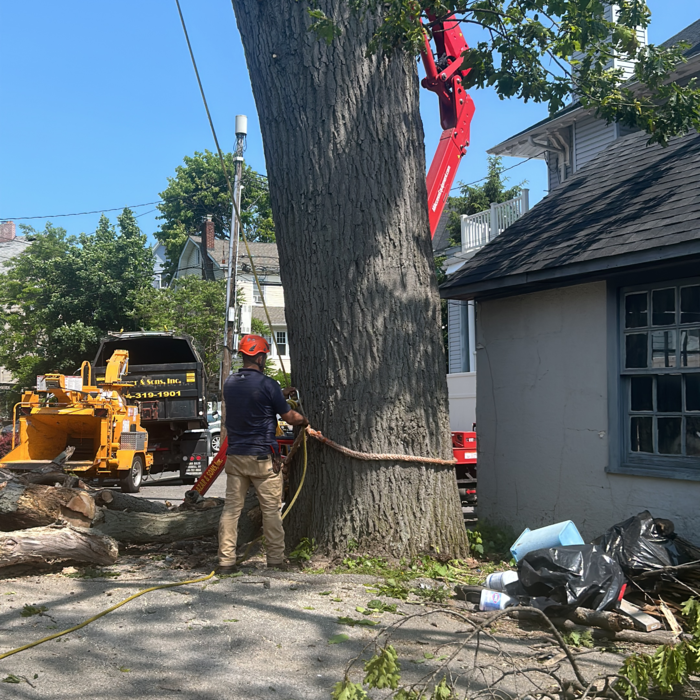
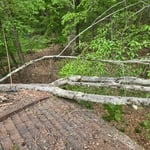
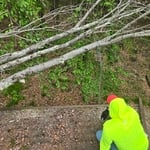
"I can't say enough positive things about this group. They were punctual, professional, and showed great attention to detail. And they offered very competitive pricing to boot! They worked all day on my yard, eliminating and removing 2 large oak trees, an extremely tall hickory tree, 9 pine trees, and a "widow-maker" deciduous tree in 100 degree heat. My kids and I tried to bring them food, drinks, chairs, etc... , but we had to be EXTREMELY forceful for them to accept our offering. I'm very tight-fisted with money, but I opted to tip over $400 because of my appreciation and respect for the work they performed."
Additional Photos
Additional Photos
Additional Photos
Additional Photos
Additional Photos

+20

Response time1 day
Response rate100%
Recommended by100%of homeowners

...
Showing 1-10 of 127
Arborists questions, answered by experts

Licensing requirements for arborists, also known as tree surgeons, vary by state and municipality. Many areas require a license, which often involves specialized education and experience. Even if not mandated, it's wise to hire a licensed professional as they tend to have more experience. Beyond licensing, look for certifications from organizations like the International Society of Arboriculture (ISA) or the Tree Care Industry Association (TCIA), as this indicates a higher level of expertise. Certified arborists must typically pass a comprehensive exam. Always confirm that the arborist has a business license and is fully insured to protect yourself from liability. Seeking positive recommendations from local homeowners is also a good step in finding a qualified professional.
Generally, you’ll want to prune back the trunk by 1 to 2 feet each year to promote bushy growth. Doing so concentrates vegetative buds closer to the bottom of the tree, where you can easily harvest fruit. For side shoots that are a year old, leave at least six leaves. 

Never remove more than 30% of a tree’s foliage during pruning—even if your tree is really overgrown. Removing this much foliage at a time could kill your tree.

In most ways, palm trees are incredibly low-maintenance. They don’t need a ton of water—which is why they’re so beloved in desert regions—and they basically prune themselves. But they do need an ample supply of sunlight and to be in soil that will allow for proper drainage so that their roots don’t become waterlogged and at risk of developing illnesses.

If the plant begins to wilt, develop spots, or change color, these could all be signs that your palm tree has a disease. But a few basic treatments, like pruning and applying fungicide, will usually be more than enough to return it to perfect health.

Ideally, you’ll have a good enough relationship with your neighbors that you can kindly mention this task in regular conversation. However, every neighbor (and neighborhood) is different. Your best bet will always be to ask directly and nicely, offering to contribute to the tree trimming efforts if you’d like. However, if you are bothered by the tree and your neighbor is unwilling to cut it, you can involve the help of the homeowners’ association or local authorities, if applicable.

Trees that flower in the spring—like dogwood, cherry, magnolia, and pear—should not be pruned during the winter. These spring-flowering plants grow buds on old growth, so you’ll actually remove what would’ve been gorgeous flowering foliage. Instead, wait to prune until right after they bloom, when the flowers fade.
The Central Valley, NY homeowners’ guide to arboricultural services

From average costs to expert advice, get all the answers you need to get your job done.