
Top-rated tree service pros.

Get matched with top tree service pros in Central Valley, NY

Enter your zip and get matched with up to 5 pros

Need a pro for your tree service project in Central Valley, NY?

Select your specific project to find the pro for you.

TRUSTED BY CENTRAL VALLEY, NY HOMEOWNERS

  • Average homeowner rating star icon4.6
    Average homeowner rating
  • Verified reviews icon183
    Verified tree services reviews

Find Tree service pros in Central Valley

Avatar for Almstead Tree & Shrub Care Co., LLC
Almstead Tree & Shrub Care Co., LLC
4.1(
15
)
Tree RemovalTree TrimmingTree Stump - Remove+1 more

Serving Central Valley, NY and surrounding areas

Approved

In business since 1964

Free estimates

Credit card accepted

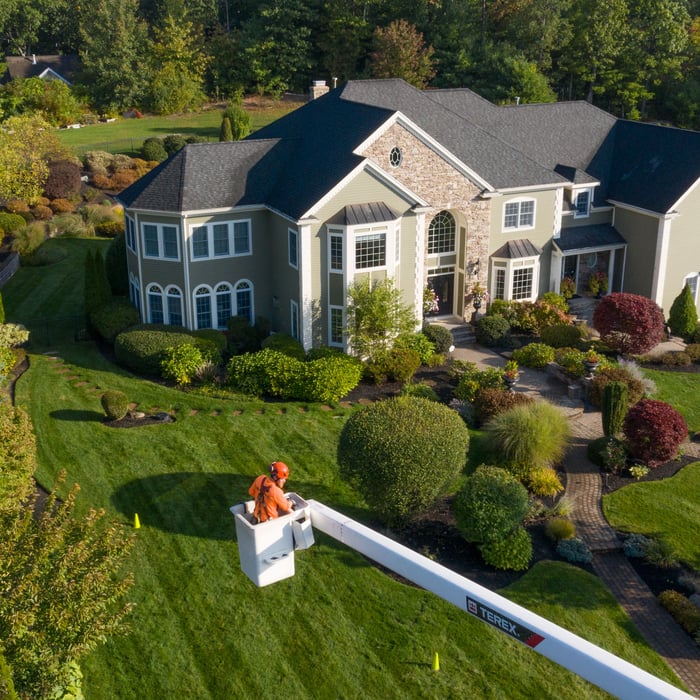
"Very pleased with Almstead's service including speaking with Kristen, Michael's tree inspections and pruning crew. The 3 crew members were polite, very efficient, and did a great job of "cleaning up". Also impressed with Almstead's equipment and technology."
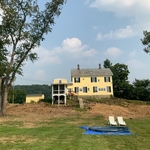
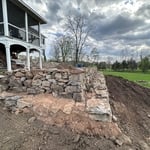
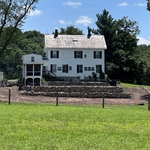
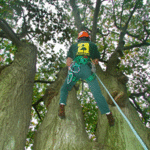
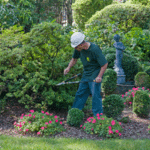
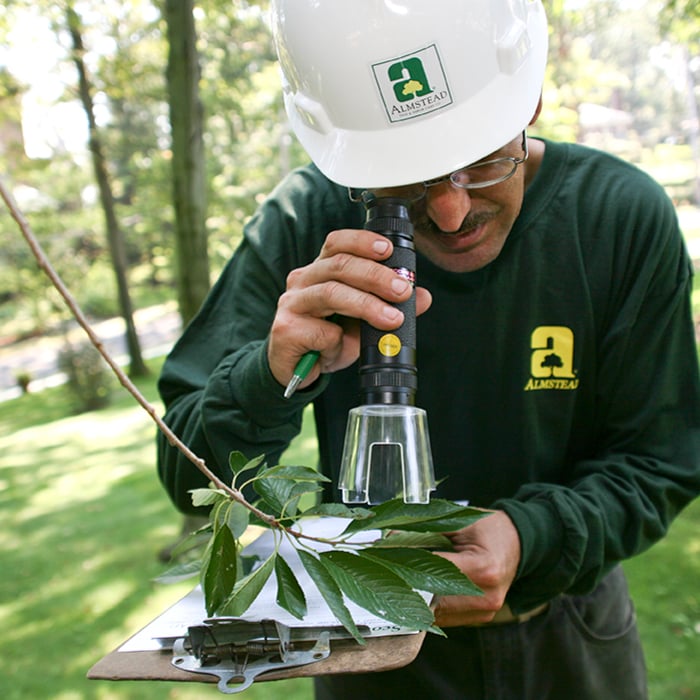
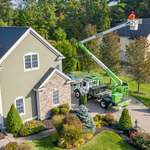
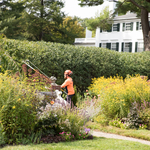
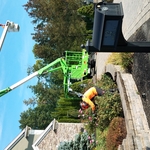
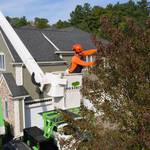
Almstead at Work
Almstead at Work
Almstead at Work
Almstead at Work
Almstead at Work

+8

Response time1 day
3 neighbors recently requested a quote
Recommended by91%of homeowners
...
Showing 1-10 of 126
Tree Service questions, answered by experts

No, you should never top maple trees. Topping injures the tree and leads to the rapid growth of a weak canopy, which can be hazardous to rooftops and utility lines. Removing the crown can also leave the interior bark vulnerable to sun damage, leading to insects and disease. A topped tree can also reduce property value and permanently damage the appearance of a tree.

Unlike some fruit trees, such as apple, sweet cherry, or pear that require at least two trees for pollination, most peach trees are self-pollinating. This means you can plant just one tree and still expect it to produce fruit, typically within two to four years. For best results, consult with a local landscaper to choose the right peach tree variety for your specific climate, soil type, and yard layout.

If you’re planning on keeping the tree, unless the roots are invasive, there’s no need to remove them, as doing so can cause damage to the tree. If the tree has been cut down and the stump and roots are left, grinding and removing the stump can cause root decay for some species. For other species, the stump and roots will need to be removed to prevent pests, disease, and possible tree regrowth.

Whether tree roots will continue to grow after a tree has been cut down depends on the species. Some tree roots will eventually die because they can no longer get nutrients through photosynthesis. However, other species that reproduce through root sprouts can continue to grow and produce new sprouts for seven years or more. For example, the roots of elms, ficus, and willows tend to regrow aggressively, while the roots of pines, oaks, and maples will typically die. To determine if a root system is still active, look for new sprouts on the old trunk, stump, or any exposed roots.

You can use a chainsaw, but it won’t remove the entire stump or root ball and is not a recommended method. It takes quite a bit of physical work to achieve and will likely dull or ruin your chainsaw. Instead, consider using salt, herbicide, light deprivation, boiling water, stump grinding, or burning to kill a tree stump. These methods allow you to kill a stump using minimal machinery and physical exertion.

The Central Valley, NY homeowners’ guide to tree services

From average costs to expert advice, get all the answers you need to get your job done.