




Top-rated arborists.

Get matched with top arborists in West Point, NY

Enter your zip and get matched with up to 5 pros

Need a pro for your arboricultural service project in West Point, NY?

Select your specific project to find the pro for you.

TRUSTED BY WEST POINT, NY HOMEOWNERS

  • Average homeowner rating star icon4.6
    Average homeowner rating
  • Verified reviews icon132
    Verified arboricultural services reviews

Find Arborists in West Point

Avatar for Galvez Tree Service and Landscaping, Inc.
Galvez Tree Service and Landscaping, Inc.
4.8(
135
)

Serving West Point, NY and surrounding areas

Approved

In business since 1980

Free estimates

Emergency services offered

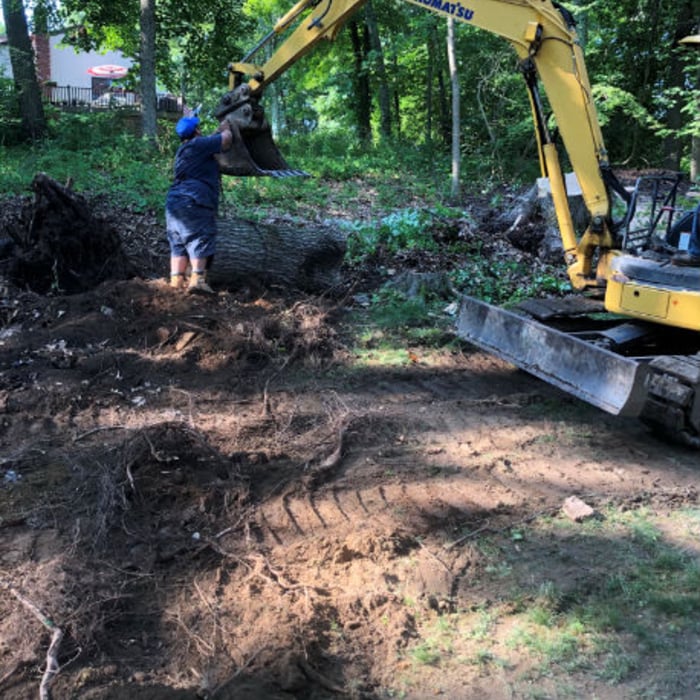
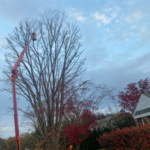
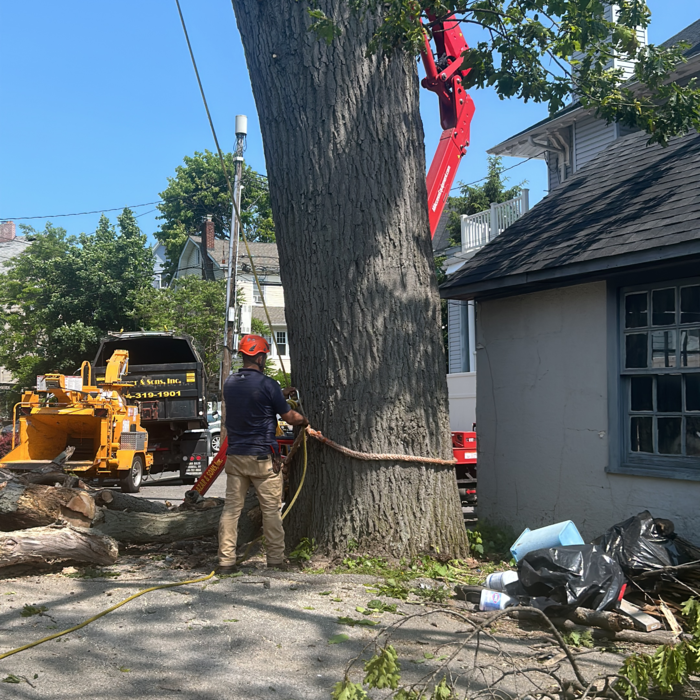
"Can't go wrong with this tree contractor. His guys showed up at 7:45 and were finished at 9:30am. 4 guys took down a 50ft. tree in 1.5 hours including all the clean up and blow the grass & driveway clean. I was very impressed thinking it would take most of the day. These guys knew what they were doing and had it down to a science. WOW I would definitely hire them again. There price was very reasonable and Ivan was easy to work with. Great Work Guys!!!"
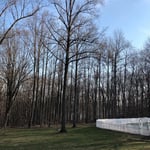
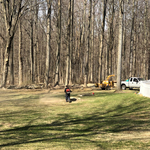
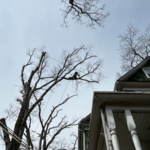
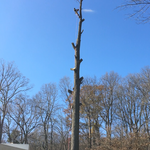
 oak tree take down.
tree take down
Tree service
tree take down
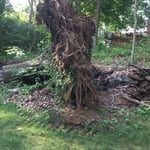
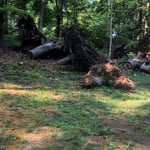
storm damage

+44

Response time4 hrs
3 neighbors recently requested a quote
Recommended by99%of homeowners
...
Showing 1-10 of 156
Arborists questions, answered by experts

Completely topping a plum tree is a risky business. Cut too much, and you’ll kill your tree. That said, you do need to trim the top of your tree to encourage bushy growth, maintain your tree’s vase shape, and limit size. 

A plum tree's central leader (or trunk) should never extend more than 3 feet above the highest branch. When you first plant your tree, cut the central leader so it’s 2 to 3 feet tall. As it grows, cut it back 12 to 20 inches until it reaches its desired height. Never prune more than one-third of the new growth.

Early signs that a tree is struggling include premature leaf shedding and lesions or other strange markings. Peeling bark, dead or rotten branches on the ground, and a conspicuous lack of leaves can all be signs that a tree has started to die. By the time a tree starts leaning, it’s usually too far gone to save.

In most cases, your neighbor is responsible for roots from their tree that cause damage to your property. If your pavement, the foundation of your home, or a fence is damaged by roots from a neighbor’s tree, you likely will have legal recourse for financial relief. While it’s better to notify your neighbor of any problems you notice as soon as they arise to avoid costly damage, there are some instances where filing a civil suit is your only recourse. Your homeowner’s insurance company might wish to do so on your behalf if you file a claim.

There are several signs that may indicate a tree needs to be cut down. These include visible damage to the trunk or branches, a hollow trunk, extensive storm damage, or a significant lean to one side. Other warning signs are pest infestations or the tree growing too close to a house, power lines, or other structures. It is best to hire a professional arborist to inspect the tree, as they can determine if it can be saved or if removal is necessary.
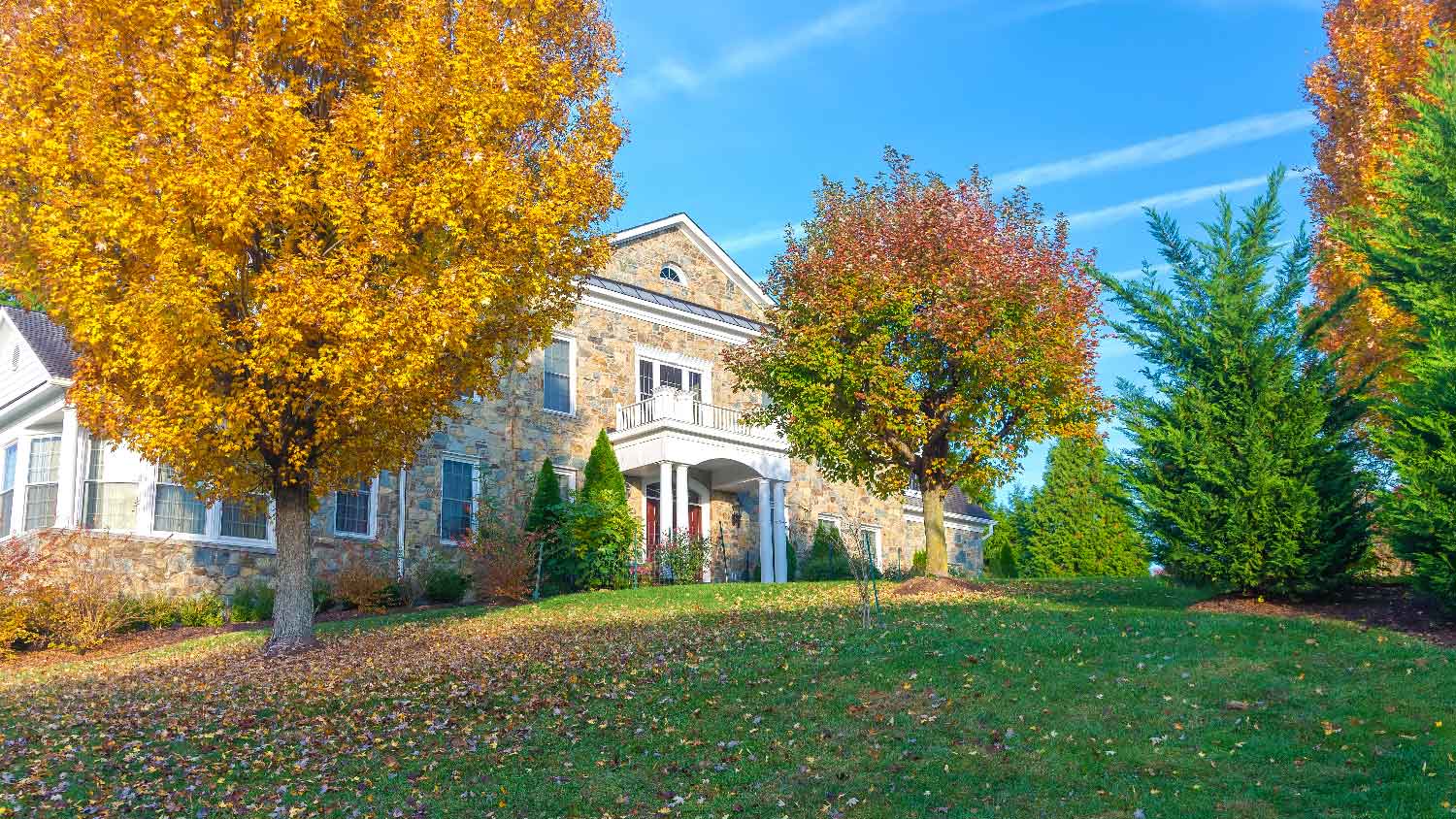
There are a few instances in which removing a tree is the best option. You might do this if the tree looks to be a major danger—potentially falling onto your home, your car, or other parts of your property—or it’s diseased beyond repair. A tree that is growing too close to your house might need to be removed to prevent mold growth.

The West Point, NY homeowners’ guide to arboricultural services

From average costs to expert advice, get all the answers you need to get your job done.