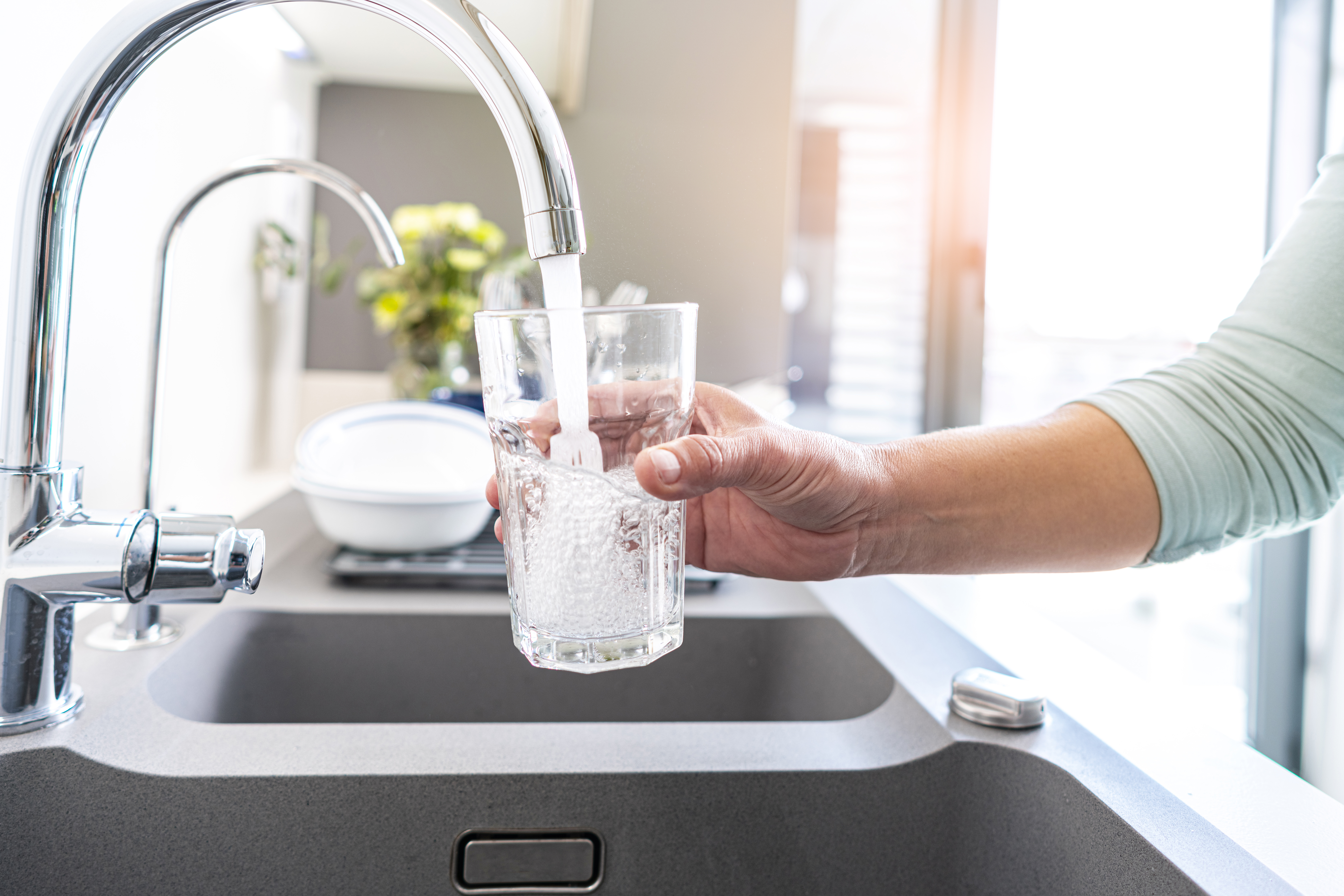
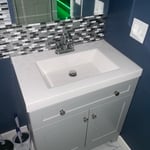
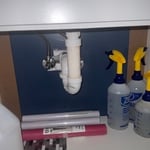
"Needed a water valve replaced ASAP Miguel from Aca plumbing was here to save the day. He is smart, knows what he is doing and got the job done fast and correctly. Im very pleased with the work done today !"
"Mario and his assistant did a wonderful and fully clean and complete job upgrading my water heater to a larger size. He was fast with excellent communication and kept to his agreement to cart away the old one and install the size, brand and Model I wanted. I now enjoy a increase in hot water performance and have a new plumber in him for future repairs and plumbing related projects. I would highly recommend him and his professionalism to my friends and family. Joe"
"Iâ ve hired Daniel to do a few plumbing projects at my townhouse. He always does a great job and leaves the space heâ s working in cleaner than he found it. Highly recommend!"
"Kevin was great! The rest of the company not so much. Kevin diagnosed the problem immediately as the thermostat, had a replacement in the truck, and completed the installation of the new unit quickly. He showed me how to program the updated version, and everything seemed to be fine - until the next morning. Turned out the replacement was defective. When I called, I was told that they might not be able to get back to me that day, but Kevin interrupted his schedule to come back and put in a new (and working) unit at no charge."
"Had a tankless hot water heater installed. Not the cheapest, but fast and thorough. I priced a few vendors, and ended up going with these guys because they asked more good questions and were better at communicating the various options. Recommended."
"Andy arrived early and worked conscientiously the entire time he was at my property. He was friendly, wore a mask, and had me check the work was adequate before leaving."
"Antonio, at Greenovative, was great. I really enjoyed his professionalism. He and his crew found creative ways to decrease the price of the project. We are happy we gave Greenovative this project. Honestly, we will use them again."
I am a construction worker. I have five years of experience. I am working as a 🔵CARPENTER \n🔵Brown stone 🔵 Roofing 🔵Water Proofing 🔵Brick Works 🔵Thorocoat 🔵 Power Wash 🔵 Pointing 🔵Stucco 🔵 Sidewalk 🔵 Will you work your home/office please knock me.
No, hard water isn’t dangerous. The added calcium in hard water can contribute to good bone health. However, it can also cause dry skin and hair. If you have dry skin or hair, consider using a water-softening system to help minimize the minerals in your water. Plus, these systems can also add some sodium to your diet.
Whether you need a permit or license for a water softener installation depends on your location, as requirements vary significantly. Some municipalities require the installer to hold a plumbing license, some mandate a permit and an inspection, and others require both. In some areas, no special permit or license is needed at all.
To determine the rules in your area, you can contact your local building department or consult a local water softener installer or plumber. Often, only certified professionals are authorized to pull the necessary permits, and they will typically handle the entire permitting process for you. Regardless of local laws, it is always recommended to hire a licensed professional to ensure the system is sized and installed correctly. You can use Angi’s state licensing tool to check an installer’s license status.
The average cost to install a water softener, including the system and labor, is approximately $1,500. However, the total price can range widely from $600 to $6,000. For some complete systems, the cost may be between $800 and $2,500. Labor for the installation typically costs between $150 and $1,000.
The final price is influenced by several factors, including:
System type, capacity, and complexity
Home size and household water demands
Water hardness levels
Accessibility of the installation site and the extent of plumbing work required
Whether new electrical work is needed
The professional hired and any local permit costs
Soft water is better for your hair. The minerals in hard water can dry out hair, make it brittle, and leave a film on the hair and scalp that may cause irritation. Hard water also doesn't rinse out shampoo and conditioner effectively, which can lead to product buildup that makes hair look dull and limp. You may also find you need to use more shampoo to get a good lather in hard water.
You should not use a water conditioner with a water softener because a water conditioner changes the chemistry of the water and causes the ion exchange in a softener to be ineffective. Choose a water softener if you have hard water or well water, and use a water conditioner if you need to remove certain contaminants.
The Brooklyn, NY homeowners’ guide to water softener services
From average costs to expert advice, get all the answers you need to get your job done.
How much a water softener costs in New York, NY, depends on your home’s size and the system’s type and capacity. Our expert guide explores all the price factors.
Water softeners work to remove unwanted minerals from hard water through a filtration and recharge cycle. Keep reading to learn how a water softener works.
There are four common softener alternatives available on the market today. We compare and contrast each one to help you find your best-fit solution in this blog.
Water softeners rid your home of hard minerals and, well, soften your water. Even better, the regeneration process is an automatic cycle that works when you’re least likely to use it.