
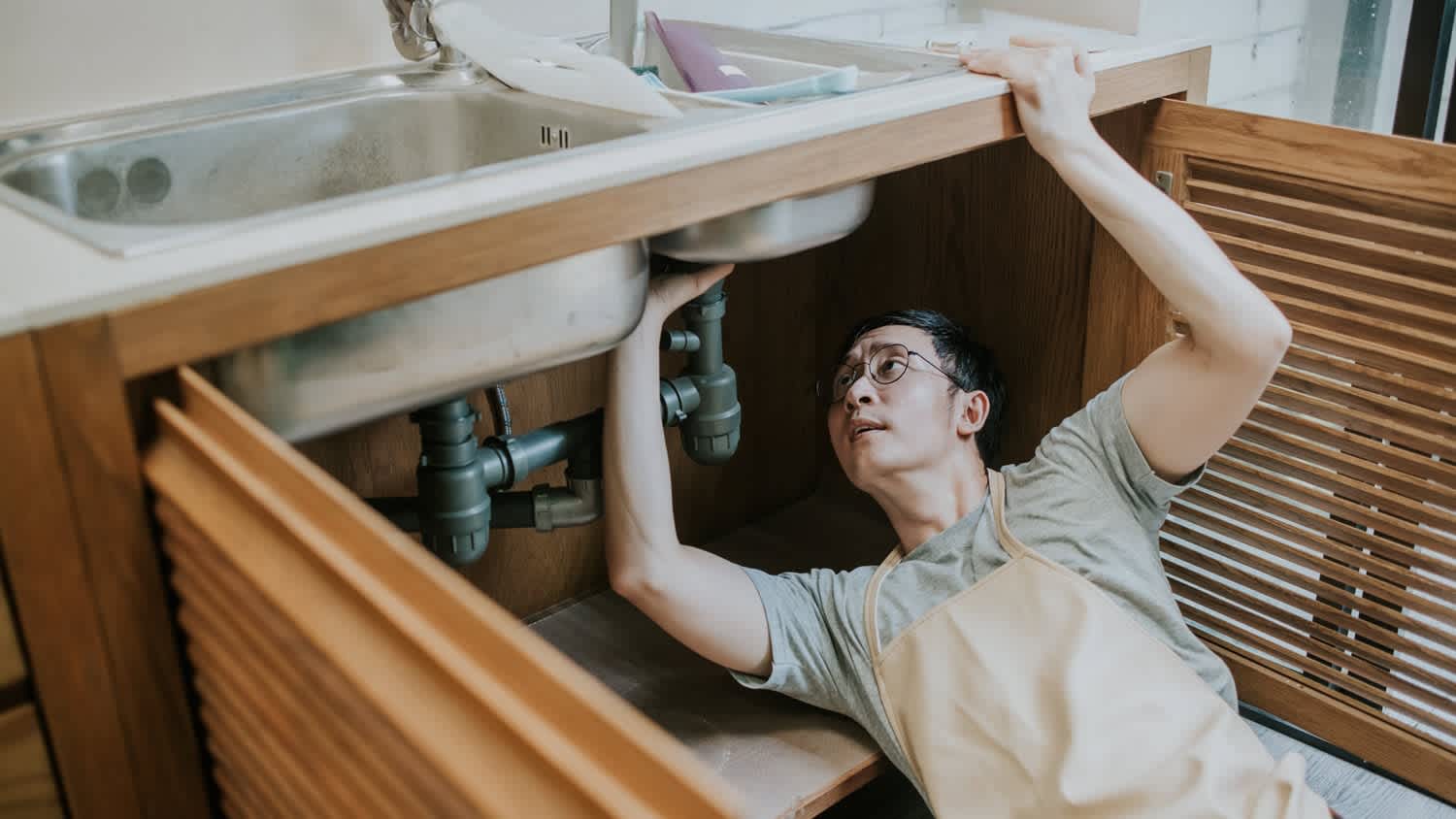
Your cost to install an under-sink water filter will depend on the type and size of system you choose and whether you need professional installation.
Raise a glass to filtered freshness

A water filter removes impurities and contaminants from your water through physical barriers, chemical processes, or biological methods to improve safety and taste.
Whole-house water filtration systems cost $4,800 or more to install, so understanding what you need helps you choose the right filtration level.
Start by testing your water quality to identify contaminants, then determine whether you need filtered water for drinking only or throughout your home.
Hiring a local water softener installation professional ensures proper setup for complex systems like whole-house filters and under-sink units, removing the guesswork from installation.
Clean, safe water is a fundamental necessity for every household. It’s common to assume our municipal water supply is perfectly clean and healthy, but with the increasing awareness of contaminants and impurities, more people are turning to their own filtration methods for their homes. Let’s explore what water filters are, why they’re essential, the different methods and types of water filtration, and how to choose the right filter for your home.
A water filter is a device that removes impurities and contaminants from water by means of a physical barrier, chemical process, or biological process. Water filters are essential for ensuring that the water we drink and use in our homes is safe and free from harmful substances. These filters can remove a variety of materials, sediments, and contaminants, making water healthier and even better-tasting.
Even though municipal water facilities filter and treat water to meet safety standards, the journey from the treatment plant to your tap can still introduce impurities. Water travels through miles of pipes, some of which may be decades old and not in the best shape. As a result, the water that reaches your home might still contain materials that can affect your health and the taste of your water.
Using a water filter adds an extra layer of protection. It ensures that any potential sediments or contaminants picked up along the way are removed before the water is consumed or used for cooking and cleaning. This precaution is especially important for households with vulnerable individuals, such as young children, older adults, or those with weakened immune systems.
Using a home water filtration system and filling a reusable bottle can provide significant cost savings and environmental benefits over plastic bottled water.
According to Angi customers, nearly four out of 10 homeowners—or about 36%—report strange tastes or odors in their home’s water. From rotten egg or chemical smells to metallic or salty flavors, these signs could point to plumbing corrosion, bacteria, or other water quality issues. Don’t ignore them—hire a pro to diagnose the problem and protect your home’s water supply.

Water filtration systems use various methods to clean your water. Some systems use a single method, while others combine multiple techniques to enhance effectiveness. Below, we explore some common methods of water filtration.
Mechanical water filters use physical barriers to remove contaminants from water. These filters consist of a mesh, screen, or porous material that traps particles as water passes through. Mechanical filters are effective at removing sediments, dirt, and rust. They are often used as the first stage in multi-stage filtration systems to protect more delicate filters downstream.
Absorption filters use materials like activated carbon to trap contaminants. Activated carbon has a large surface area and porous structure, allowing it to capture chemicals, chlorine, and organic compounds through adsorption. These filters are particularly effective at improving the taste and odor of water by removing chlorine and other impurities.
Sequestration involves chemically isolating contaminants to prevent them from causing harm. This method is commonly used to treat hard water, where agents like polyphosphate are added to bind with calcium and magnesium ions. This binding prevents the minerals from forming scale and hard water deposits in your pipes and appliances, extending their life span and improving efficiency.
Ion exchange filters work by exchanging undesirable ions in the water with more desirable ones. This process is particularly effective for softening hard water by replacing calcium and magnesium ions with sodium or potassium ions. Ion exchange resins are used in this method, making it suitable for reducing scale buildup and improving the efficiency of water heaters and other appliances.
Reverse osmosis (RO) filters use a semi-permeable membrane to remove a wide range of contaminants. Water is forced through the membrane under pressure, leaving impurities like dissolved salts, heavy metals, and microorganisms behind. RO systems are highly effective and can produce nearly pure water. However, they also waste a significant amount of water and may require additional pre-filtration stages to protect the membrane.

There are many types of water filters to choose from. Here’s a basic rundown of all of the most common types.
Water filter pitchers: Convenient and portable, pitchers use activated carbon filters to remove chlorine and improve taste. They’re ideal for small households or individuals.
End-of-faucet filters: These filters, which you attach directly to a faucet, provide on-demand filtration for drinking and cooking water. They’re easy to install and replace.
Faucets with built-in filtration: Some faucets come with integrated filters, offering a seamless and space-saving solution. They are perfect for modern kitchens with limited space.
Under-sink filters: Also called point-of-use filters, filters under your sink provide a dedicated supply of filtered water from a separate faucet. They offer high filtration capacity and longevity.
Whole-house filtration: These systems are installed at the main water line, ensuring that all water entering the home is filtered. Whole-house water filtration systems cost more than the other methods, and they’re ideal for households with multiple water sources and high water usage.
While water filtration offers many benefits, there are some drawbacks to consider. High-quality filtration systems can be expensive to purchase and install. Complex methods like reverse osmosis require regular maintenance and can waste water, increasing overall costs.
Additionally, some filtration methods cannot be easily turned off, which might be inconvenient for tasks that do not require filtered water. Moreover, some filters may remove too many beneficial minerals from the water, like magnesium and calcium, which can impact its nutritional value.
Frequent replacement and repairs are another concern. Filters have a limited life span and need regular replacement to maintain effectiveness. This can add to the long-term cost of the system.
Selecting the right type of water filter for your home depends on several factors.
Start by assessing the quality of your current water supply. Conduct a water test to identify contaminants and impurities.
Consider your flow rate needs. If you prefer high pressure in your faucets, keep in mind that some filtration methods slow your water flow.
Determine whether you need filtered water for all tasks or just for drinking and cooking. This will influence whether you choose a point-of-use filter or a whole-house filtration system.
Think about how water filtration works within your budget. While more expensive systems offer higher filtration quality, they might not be necessary for all households.
Lastly, be honest about your ability to maintain a filtration system. Some systems require more frequent maintenance and filter changes than others. Choose a system that fits your lifestyle to ensure you can keep it running efficiently.
You can easily install some types of water filters yourself. DIY-friendly options include water filtering pitchers and end-of-faucet filters, which are easy to set up and use. However, more complex systems like whole-house filtration and under-sink filters require intricate plumbing installation processes and are best handled by a local water softener installation company to ensure proper setup and performance.
If you’re good people wanting to do business with good people, hire Matt. He is a consummate professional and utterly competent. He installed a water heater in my home at a price that beat competitors by hundreds of dollars with a promise to support the unit for its life (even after its 6 yr...
 Greene's Plumbing Services
As usual with ECO, tech Jordan was outstanding, very professional, very knowledgeable, and very thorough with repairs made to tankless water heaters. Very highly recommend ECO!!!
 Eco Plumbers, Electricians, and HVAC Technicians
Did a great job replacing the ice maker and water regulator on my refrigerator. He was quick and thorough, very friendly and professional. If I needed a heart transplant I'd want him to do it!!!
We had a gutter blockage that was causing water to sheet down the side of the house and ultimately it started to come in at a window (need mortar people next). Called around 7:30am, and he responded by 8am. He was able to come out the same morning and do a look over and clean out. He also...
Scott checked our large crawl space for mold and water infiltration and recommended a viable solution. The crew was efficient and they cleaned up well after the job. The job was expensive but I am confident that I won't have to deal with the problem again. Highly recommend.
 AdvantaClean of Dublin
They were the most through inspecting the water system in my house. Even going the extra mile to get the water professionally tested for contamination.
 Hague Water Conditioning, Inc.
It went very well. The drain is absorbing all the access water. I had other estimates a year earlier and Hughes was right on. I will use them, again.
 Hughes Construction Co
Very well. Have already used them again to fix hot water heater
 Service Olympians
The Paul Davis team was very professional and went the extra mile to take care of my water damage. The work was very high quality and done in a timely manner. I would highly recommend their services.
 Paul Davis Restoration
Honesty is hard to find in business today. GBR met me today at a 3 story building regarding my being told that I needed to tuckpoint the brick because of water leaks. The owners took the time to evaluate the situation and advised me that I did not need their service at all. They pointed me...
 GBR Masonry Inc
From average costs to expert advice, get all the answers you need to get your job done.
Your cost to install an under-sink water filter will depend on the type and size of system you choose and whether you need professional installation.

Making sure you have clean drinking water comes down to proper filtration. Use this guide on how to filter water at home to keep your family safe.
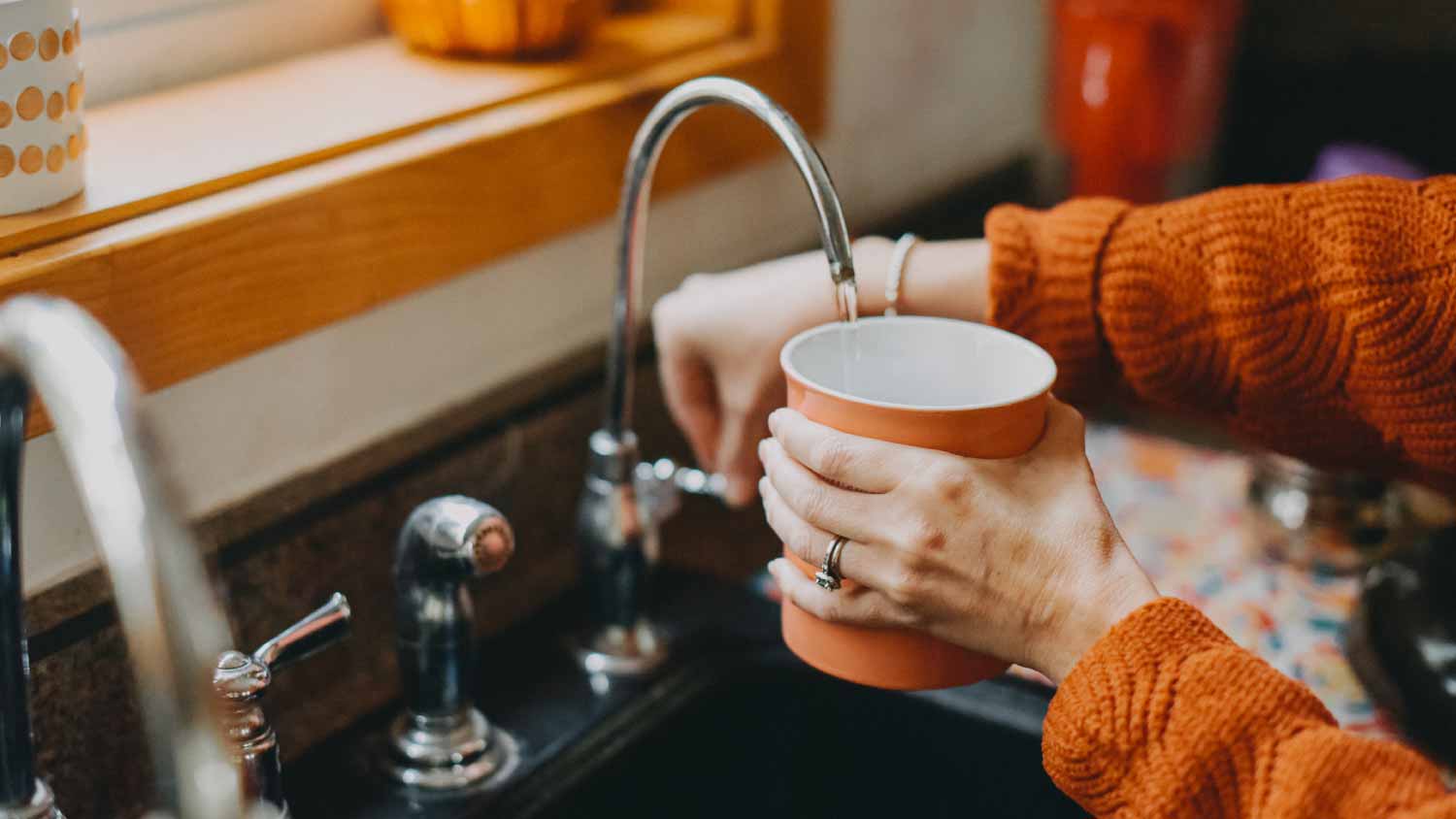
Discover the key differences between a water filter versus water purifier. Find out which option is best for your household's water needs.

Filtered water is different from distilled water, mainly in terms of the purification process, health benefits, and cost of the system.
Do you know how often to change a whole-house water filter? Different types need different replacement times, from three months to 10 years.

Want to make sure you and your family have perfectly clean drinking water? Installing a whole-house water filter might be your best option.