


Top-rated excavation pros.

Get matched with top excavation pros in Henderson, NV

Enter your zip and get matched with up to 5 pros

Need a pro for your excavation project in Henderson, NV?

Select your specific project to find the pro for you.

TRUSTED BY HENDERSON, NV HOMEOWNERS

  • Average homeowner rating star icon4.8
    Average homeowner rating
  • Verified reviews icon36
    Verified excavation services reviews

Find Excavation pros in Henderson

Avatar for T B Construction
T B Construction
3.4(
8
)
Building Site - Preparation and ClearingBuilding Site - Preparation and Clearing - For BusinessExcavation - Major Grading or Resloping+2 more

Serving Henderson, NV and surrounding areas

Approved

In business since 2010

Free estimates

Credit card accepted

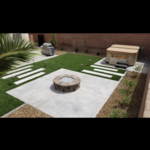
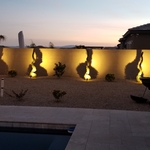
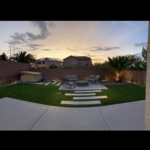
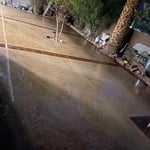
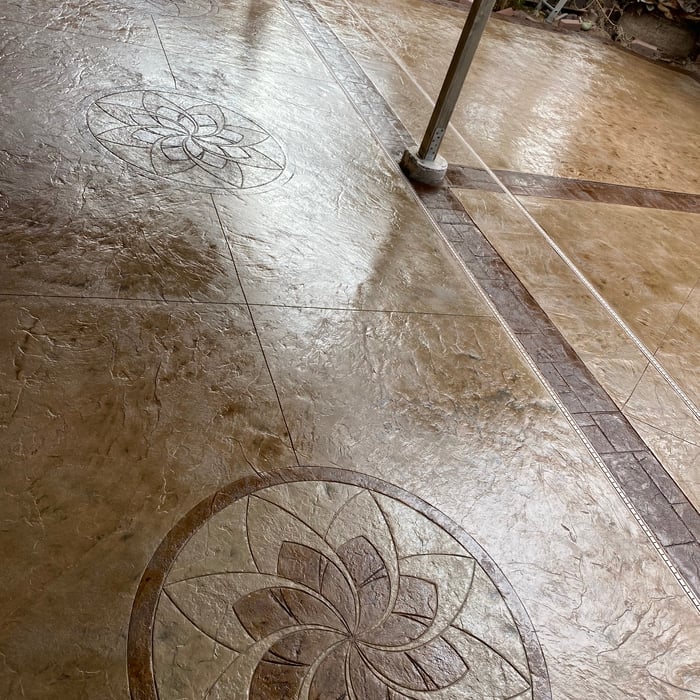
"This was a major project for us. We had them pour a concrete pad. Excavate our side and back yard to remove grass then desertscape that whole area with multiple stone sizes and colors. They did an outstanding job. They are honest, professional, knowledgeable, efficient, and. Friendly. Issues came up as they often do, but they addressed all of them with precision. We are so pleased, we have booked them for an additional project. Highly recommend you give them a try."
Decorative Concrete
Decorative Concrete
Decorative Concrete
Decorative Concrete
Decorative Concrete

+7

Response time2 days
Response rate94%
Recommended by71%of homeowners
Noriega Masonry & Concrete
4.2(
47
)
Building Site - Preparation and ClearingBuilding Site - Preparation and Clearing - For BusinessExcavation - Major Grading or Resloping+2 more

Serving Henderson, NV and surrounding areas

In business since 2001

Free estimates

"They were very quick and the 6' block wall was demo'd and rebuilt in approx. 3 days. unfortunately for me, Noriega did not pull a permit for this work and I got a letter from Clark County because my HOA had reported this construction. I was very lucky that after speaking with Clark County Permit dept. they expedited and overseen that my wall was in compliance and the necessary permit paperwork was approved and properly filed. Being a board member of my HOA this caused me a great amount of unnecessary stress. This is the reason I graded them with an overall C experience and a C for professionalism...."
Recommended by92%of homeowners
Avatar for Imperial Landscaping
Imperial Landscaping
4.9(
14
)
Landscape - Minor Grading or Resloping

Serving Henderson, NV and surrounding areas

In business since 2018

Free estimates

Credit card accepted

"We needed a full fall cleanup before the leaves got out of control. They did everything, like raking, trimming, and bagging. The yard looks ready for winter now. They even blew the leaves off the driveway before leaving."
Response time10 mins
Recommended by16%of homeowners
Showing 1-10 of 37
Excavating questions, answered by experts

Chipmunks dig their burrows about three feet deep and up to 30 feet long. The entrances can be two inches wide or more. Chipmunks are fiercely protective of their burrows and use them to protect the nuts and seeds they gather for the long winters.

Trenching and boring are two distinct methods for installing underground utilities. Trenching involves digging a channel using equipment like an excavator, trencher, backhoe, or shovel. While it is a simpler process, it causes significant disruption to the surface, landscaping, and surrounding ecosystems.

Boring, also known as directional boring, is a less invasive alternative that uses a drill to create a tunnel for utility lines without disturbing the surface. This method is more precise and is ideal for installations that need to go underneath buildings, roads, or bodies of water. Although boring is less disruptive, it is generally more expensive than trenching.

The physical constraints of hand-drilling a well limit the depth you can achieve. Manually digging with picks and shovels may only lead to shallow wells of up to 60 feet in depth. To reach greater depths, you need more specialized equipment. The diameter of your well and the tools you’re using will determine how far down you can dig.

A trench that is less than 5 feet deep often doesn't require a protective system. Most residential trenches will not go this deep (the typical residential drainage trench is just 18 inches deep). In the event that an excavator needs to dig more than 5 feet beneath the surface, a protective system is required unless the excavation is in entirely stable rock.

The best type of soil to build on is a mixture of sand and clay, known as loam soil. Loam soil has the best combination of these soil types to build a foundation on. The clay particles help with water retention, so it won’t erode like sandy soil might, and the sandy particles help with drainage, so you won’t see unsafe soil expansion or have an increased risk of leaks from water sitting against your foundation.

The Henderson, NV homeowners’ guide to excavation services

From average costs to expert advice, get all the answers you need to get your job done.