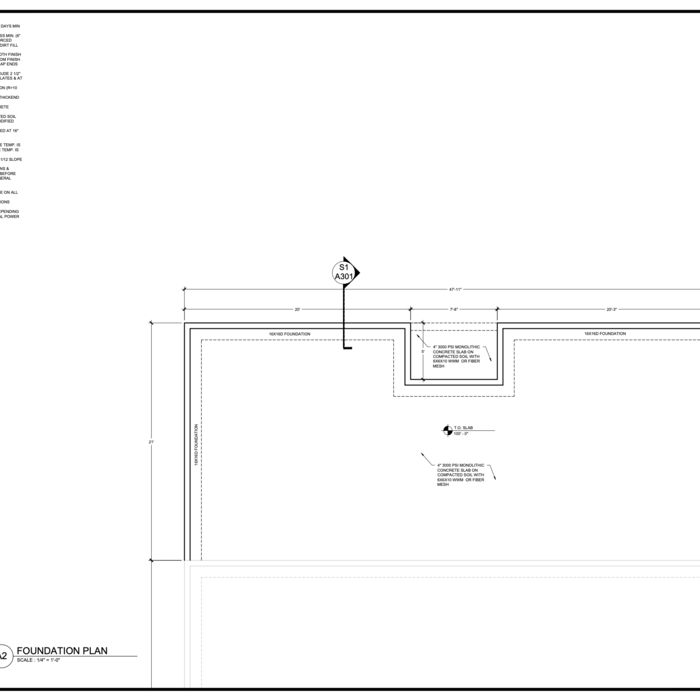



The primary reason homes have crawl spaces is so the foundation can reach down below the frost line to avoid dangerous soil movement and structural damage when the ground freezes. They’re more popular in colder climates where the ground freezes down to a few feet, and slabs are most popular in warmer areas where there is no frost line. Crawl spaces also provide a space for utility lines to run where they’re at less of a risk of freezing.
A home elevator is a fantastic way to improve your home’s accessibility. Elevators allow anyone, even those who use wheelchairs or walkers, to safely move between floors within your home.
Dumbwaiters may allow you to move items up and down floors, and stair lifts can move people up and down, but elevators are the best option if you need space for people, their belongings, and/or mobility aids such as wheelchairs.
That said, home elevators cost more than other options, such as stair lifts. Consider your needs and your budget when deciding the best way to make your home more accessible to a person with a disability or a person who is aging in place.
Cathedral ceilings make a statement in your home, but at the cost of your attic space. Normal attics are wide open, which allows warm air to move around and exit your home. Because of this, cathedral ceilings make your home less energy efficient and put your ceiling at risk of venting issues if you’re not careful. They also reduce your attic storage space, potentially cause an echo, and even make it harder to change a light bulb.
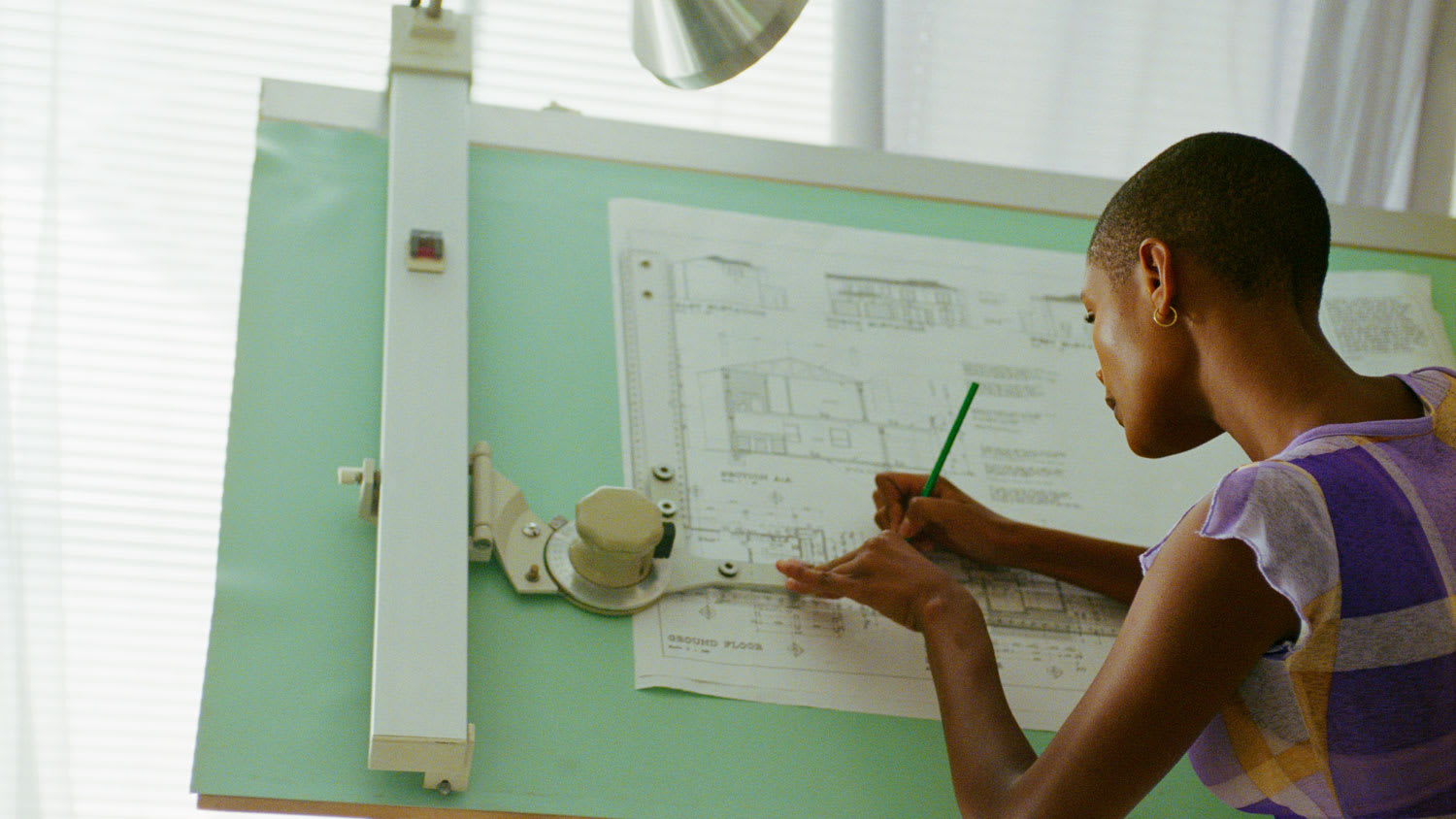
Hire an architect at the very beginning of your home-building process. An architect’s training and expertise can guide the process from start to finish to ensure you don’t miss or have to redo any important steps. An architect will also provide valuable input on design, materials, and other details right from the beginning.
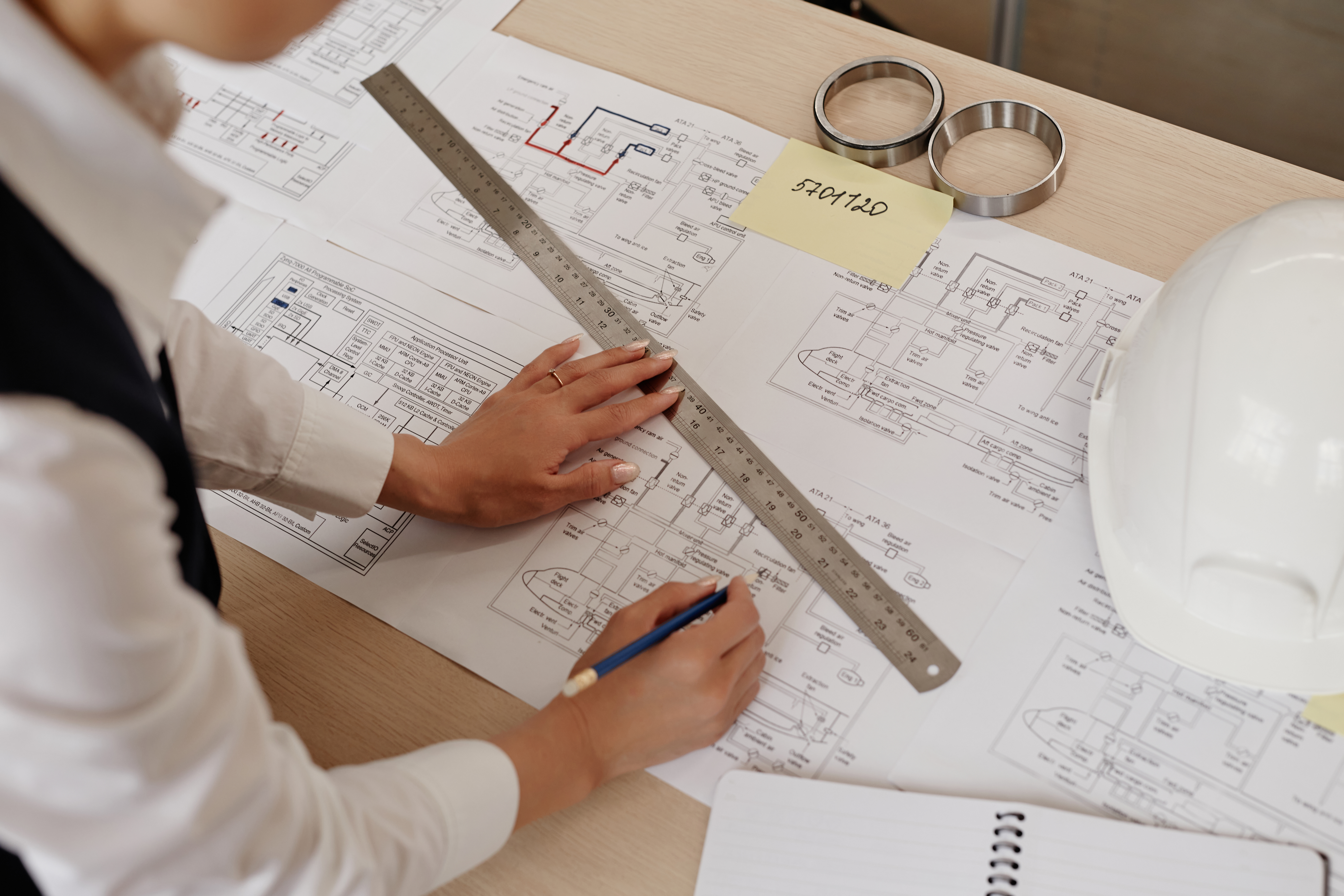
In most cases, you should get an architect before you hire a builder. An architect will be the one to draw up formal plans for your project, including guidelines and even material lists for your builder to follow during construction. Many architects can even help you find builders, choose one for your project, and negotiate prices. Some are also willing to act as project managers throughout the process, working closely with a builder from start to finish.
The Polvadera, NM homeowners’ guide to architectural services
From average costs to expert advice, get all the answers you need to get your job done.
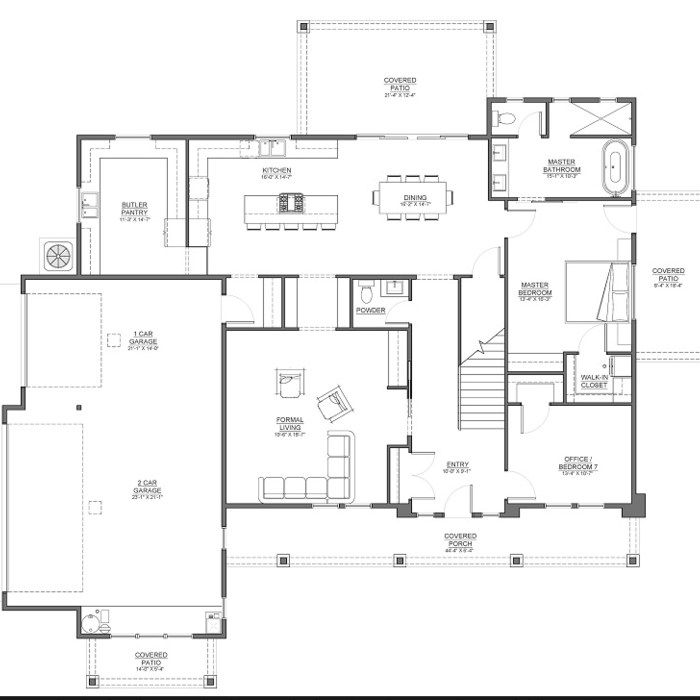
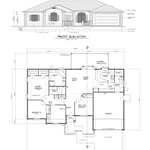
Floor plans can help you visualize a space and are useful in home construction and design. Learn how much a floor plan costs and what affects the price.
Depending on where you live, you may be legally required to hire an architect for an addition. Here’s why an architect may end up saving you money and time.