


Top-rated excavation pros.

Get matched with top excavation pros in Spring Lake, NJ

Enter your zip and get matched with up to 5 pros

Need a pro for your excavation project in Spring Lake, NJ?

Select your specific project to find the pro for you.

TRUSTED BY SPRING LAKE, NJ HOMEOWNERS

  • Average homeowner rating star icon4.1
    Average homeowner rating
  • Verified reviews icon21
    Verified excavation services reviews

Find Excavation pros in Spring Lake

Avatar for Panaro Outdoor Design, LLC
Panaro Outdoor Design, LLC
4.3(
172
)
Landscape - Minor Grading or Resloping

Serving Spring Lake, NJ and surrounding areas

Approved

In business since 1979

Free estimates

Small jobs welcome

"Gene immediately responded to our request for a quote and professionally evaluated the project. Lance and his crew carefully carried out the drainage project and regrading, and made improvements to the original plan as they further evaluated the project while it was in progress. When the job was complete, all debris was removed. All around superb customer service!"
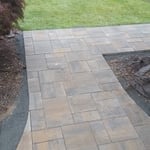
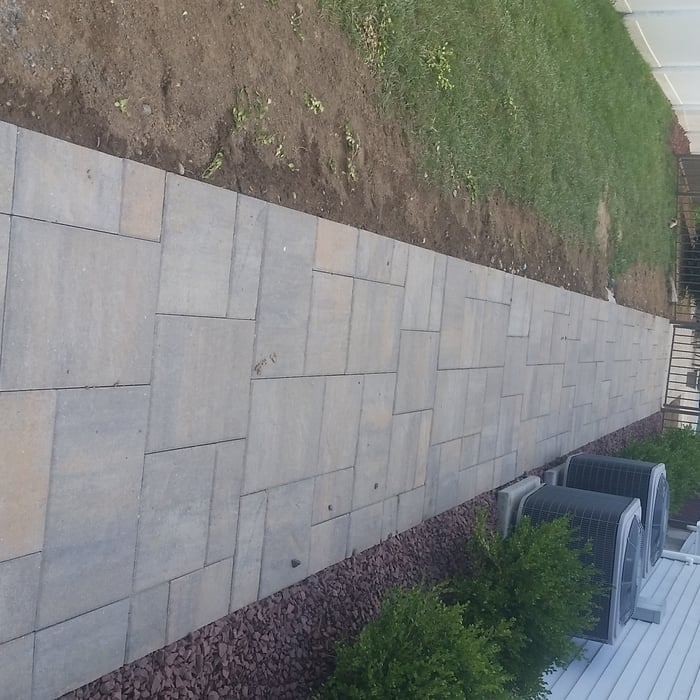
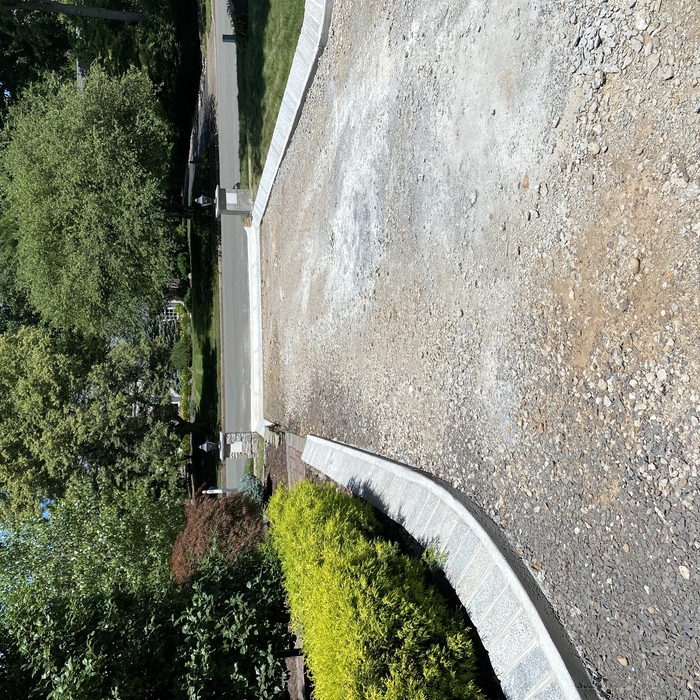
Pavers Down
Pavers Finished and Locked in
Gino himself putting the finishing touches
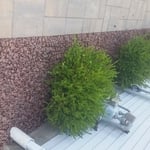
Beautiful shrubs
Another walkway done

+299

Response time1 day
Response rate88%
24 neighbors recently requested a quote
...
Showing 1-10 of 126
Excavating questions, answered by experts

Yes, you can technically make a crawl space liveable, but the only way to do so is by converting it into a basement. While some crawl spaces are big enough to walk through and store large items, they lack appropriate insulation and space to be liveable.

The average cost for pool excavation is $2,500. This cost can range from $450 to $4,500, depending on the pool shape and size, time of year, and any need to move buried utilities. 

When excavating for your pool, you might have to move existing utilities. You can expect to pay an additional $15 to $25 per linear foot to move gas lines. To move a septic system, it’ll cost an additional $2,000 to $20,000. A pool that is 10 feet by 12 feet averages $450 to excavate, and a 20-foot-by-40-foot pool averages $3,020.

Most residential basements are 8 to 10 feet deep. You can dig deeper depending on building codes, but it does become more difficult. You’ll likely need to install stronger foundation walls and additional supports to handle the increased load. Depending on the water table, you may also need a water management system. Clay soil can support a deeper foundation than sandy soil. A structural engineer will be able to tell you the maximum, feasible depth.

A mini excavator can dig between 5 and 11 feet deep, depending on the type and size of the mini excavator. Mini hydraulic excavators are more powerful and can reach deeper into the earth, but electric models have a more limited range. Mini excavators over two tons in size are also more powerful and able to dig as deep as 11 feet.

No, you typically cannot use metal detectors to find your sewer line. Most sewer lines are made of non-metallic materials such as PVC, clay, or cast iron, which are not detectable by standard metal detectors. Metal detectors are designed to locate metallic objects, so they won't be effective for identifying the path of a non-metallic sewer line. To locate your sewer line accurately, it's best to use other methods.

The Spring Lake, NJ homeowners’ guide to excavation services

From average costs to expert advice, get all the answers you need to get your job done.