



Top-rated excavation pros.

Get matched with top excavation pros in Lake Como, NJ

Enter your zip and get matched with up to 5 pros

Need a pro for your excavation project in Lake Como, NJ?

Select your specific project to find the pro for you.

TRUSTED BY LAKE COMO, NJ HOMEOWNERS

  • Average homeowner rating star icon4.3
    Average homeowner rating
  • Verified reviews icon33
    Verified excavation services reviews

Find Excavation pros in Lake Como

Avatar for Tito & Son Construction, LLC
Tito & Son Construction, LLC
4.4(
41
)
Building Site - Preparation and ClearingBuilding Site - Preparation and Clearing - For BusinessExcavation - Major Grading or Resloping+2 more

Serving Lake Como, NJ and surrounding areas

Approved

Super Service Award Winner

In business since 1979

Free estimates

Emergency services offered

"Amazing work! These guys came and within a few hours had the the gazebo fully assembled and drilled into the pavement. Zero error and took their time to make sure everything was straight an leveled. Very punctual, neat and responsible. Cannot wait to work with them again for future projects!"
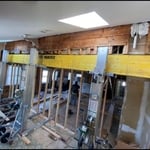
Structural Beam
Structural Beam
Structural Beam
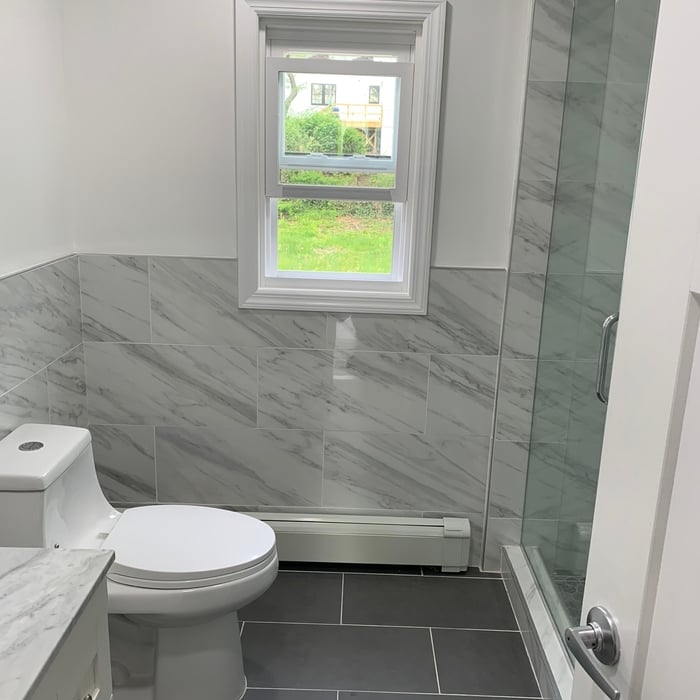
Bathroom Remodel
Bathroom Remodel

+42

Response time7 hrs
Response rate85%
4 neighbors recently requested a quote
...
Showing 1-10 of 129
Excavating questions, answered by experts

In the United States, a depth of 36 inches (three feet) for underground water lines is the accepted industry standard. This depth varies from location to location based on local conditions. In areas with colder winters, they may be buried deeper to prevent frozen well water pipes : This is usually at least six inches below the frost level. The International Plumbing Code calls for a minimum of 12 inches below grade.

If you’re planning to dig on your property, you’ll need to check for underground utility lines. Call the national call-before-you-dig 811 number. Once connected to an operator, you can schedule a site visit to mark underground lines. This way, you won’t accidentally dig into pipes and can cause major (read: costly) issues.

Call 811 to locate and mark the gas lines at least three days before digging. In many areas, you can dig within 18 inches of the lines, though in some locations, the distance may be further. Check local regulations, as you may need a utility company representative onsite when digging. Document your calls to 811 and precautions taken to avoid gas lines. A homeowner can be held liable for hitting a gas line in some cases, but contacting the proper authorities and following all guidelines can offer protection.

Most states do not require excavation companies to hold specific licenses, but many require at least a contractor’s license. Additionally, heavy equipment operators require a special commercial equipment license to operate machinery required for excavation. You can use Angi’s contractor licensing tool to confirm that an excavation company you’re considering hiring is fully licensed. You should also make sure that the excavation team is fully insured before allowing them to work on your property.

No, fire blight does not survive free in the soil but instead is carried through insects, animals, rain, or wind during the spring. Keep in mind that it can also spread on tools, which is why you should always disinfect them in between cuts.

The Lake Como, NJ homeowners’ guide to excavation services

From average costs to expert advice, get all the answers you need to get your job done.