

Top-rated excavation pros.

Get matched with top excavation pros in Wall, NJ

Enter your zip and get matched with up to 5 pros

Need a pro for your excavation project in Wall, NJ?

Select your specific project to find the pro for you.

TRUSTED BY WALL, NJ HOMEOWNERS

  • Average homeowner rating star icon4.3
    Average homeowner rating
  • Verified reviews icon33
    Verified excavation services reviews

Find Excavation pros in Wall

Avatar for Tito & Son Construction, LLC
Tito & Son Construction, LLC
4.4(
41
)
Building Site - Preparation and ClearingBuilding Site - Preparation and Clearing - For BusinessExcavation - Major Grading or Resloping+2 more

Serving Wall, NJ and surrounding areas

Approved

Super Service Award Winner

In business since 1979

Free estimates

Emergency services offered

"Amazing work! These guys came and within a few hours had the the gazebo fully assembled and drilled into the pavement. Zero error and took their time to make sure everything was straight an leveled. Very punctual, neat and responsible. Cannot wait to work with them again for future projects!"
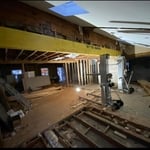
Structural Beam
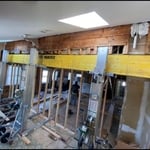
Structural Beam
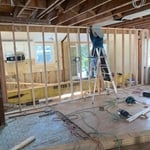
Structural Beam
Bathroom Remodel
Bathroom Remodel

+42

Response time7 hrs
Response rate85%
Recommended by74%of homeowners
...
Showing 1-10 of 131
Excavating questions, answered by experts

Most professional excavation teams will charge between $8 and $15 per cubic yard. Calculate the cost by finding the volume of your pool—width x length x depth—and dividing it by 27. Then, multiply the price by the cubic yards from your equation. Budget for complications like a rocky lawn, hard-to-access pool area, or high local labor prices.

The physical constraints of hand-drilling a well limit the depth you can achieve. Manually digging with picks and shovels may only lead to shallow wells of up to 60 feet in depth. To reach greater depths, you need more specialized equipment. The diameter of your well and the tools you’re using will determine how far down you can dig.

Septic drain lines (or leach lines) are typically buried between 18 and 36 inches underground, and should be at least 6 inches below the surface. These pipes are perforated and surrounded by filtering materials like sand or gravel. Burying the lines at this depth helps minimize odors and allows bacteria and other biological processes in the soil to effectively treat the wastewater. Burying lines too close to the surface can cause issues unless the soil is very compact and stable.

Most residential basements are 8 to 10 feet deep. You can dig deeper depending on building codes, but it does become more difficult. You’ll likely need to install stronger foundation walls and additional supports to handle the increased load. Depending on the water table, you may also need a water management system. Clay soil can support a deeper foundation than sandy soil. A structural engineer will be able to tell you the maximum, feasible depth.

A crawl space can be as little as 42 inches below the grade of your house, but this is not always recommended in flood-prone areas. At a minimum, there must be at least 16 inches of clearance between the ground and the floor joists to access the space in an emergency.

The Wall, NJ homeowners’ guide to excavation services

From average costs to expert advice, get all the answers you need to get your job done.