


Top-rated boiler installation pros.

Best boiler installation pros near Newfield, NJ

Enter your zip and get matched with up to 5 pros

TRUSTED BY NEWFIELD, NJ HOMEOWNERS

  • Average homeowner rating star icon4.4
    Average homeowner rating
  • Verified reviews icon534
    Verified boiler installation services reviews

Top-Rated Boiler installation pros in Newfield - Updated Nov 2026

...
Showing 1-10 of 97
Install Boiler FAQs, answered by experts

The average lifespan of a boiler is typically between 15 and 20 years, though some may last for as little as 10 years while others can reach 30. A boiler's longevity is influenced by several factors, including the quality of the unit, proper installation, and consistent professional maintenance.

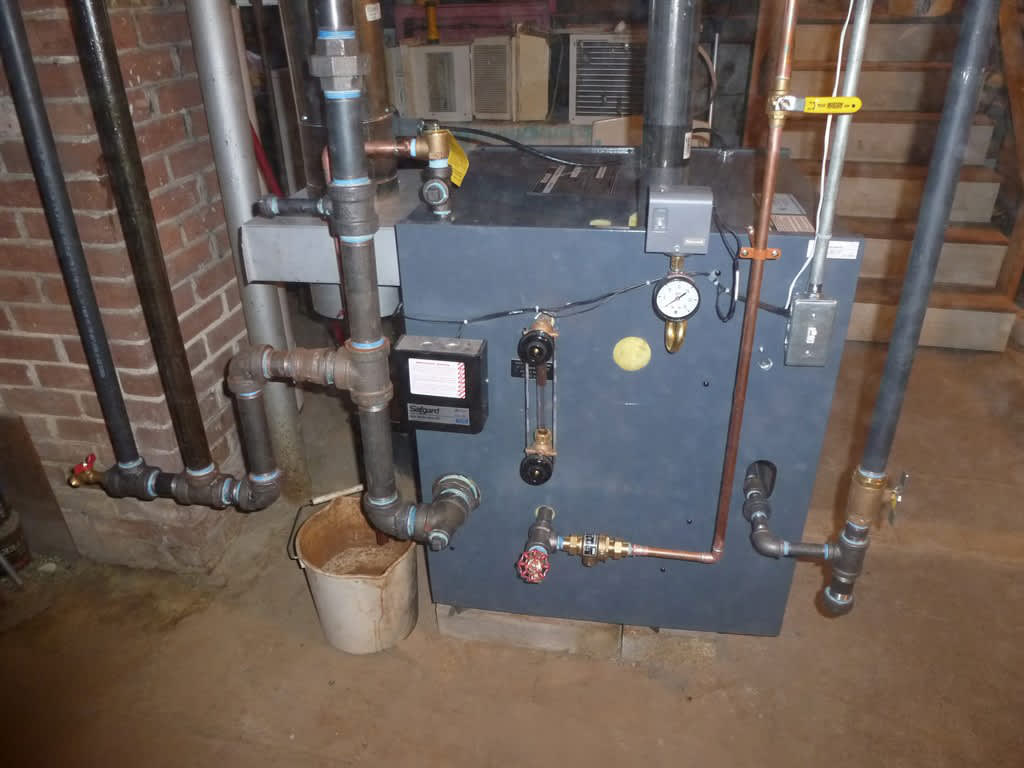
The material also plays a significant role. Older boilers made from durable cast iron can last for over 20 years, with some functioning for up to 50 years. However, it's important to consider their lower efficiency, which can lead to higher utility bills. Modern boilers, often made from steel alloys, are designed to withstand high pressure and temperatures and have an average lifespan of about 20 years.

To maximize your boiler's lifespan, ensure it is installed correctly, have it professionally maintained each year, and address any necessary repairs immediately.

Safety concerns with propane boilers include proper venting to prevent carbon monoxide buildup, secure gas line connections, and regular inspection of safety controls. Professional boiler installation and annual maintenance are essential to minimize risks. Having a carbon monoxide detector installed in your home is essential for early detection of any leaks or ventilation issues.

The absence of heating or hot water, unusual noises like banging or gurgling, and visible water leakage are key signs. Abnormal boiler pressure, flame irregularities (for gas boilers), or pilot light issues may also signal trouble. Frequent cycling, soot or staining, and unusual odors, particularly gas-like smells, should not be ignored. Modern boilers often display error codes or lockout mode upon detecting issues. Uneven heating across radiators and rising energy bills without increased usage can further point to problems. Prompt attention to these signs is essential to prevent further damage and ensure safety.

The best time to buy home heating oil is in the summer when the demand is lowest, as the prices are usually lower. However, waiting until the summer to buy is often unavoidable unless you install a separate storage tank. If you have the space for a second tank, you can expect to pay between $1,000 and $4,000 for the oil tank replacement or installation, depending on the capacity and location. You could quickly recuperate these costs, though, by stocking up on heating oil in the summer and avoiding deliveries in the winter when prices are highest.

The primary differences between a heat pump and a boiler are their function and how they produce heat. A heat pump is a versatile system that provides both heating and cooling by moving ambient air and altering its temperature. In contrast, a boiler is solely a heating system, often working with a furnace or AC unit as part of a larger HVAC system. In terms of heat production, a heat pump generates heat more slowly and at a lower temperature, requiring a large convector for distribution. A boiler, however, produces a large amount of high-temperature heat that it emits through smaller radiators.

The Newfield, NJ homeowners’ guide to boiler installation services

From average costs to expert advice, get all the answers you need to get your job done.