



Top-rated excavation pros.

Get matched with top excavation pros in Ledgewood, NJ

Enter your zip and get matched with up to 5 pros

Need a pro for your excavation project in Ledgewood, NJ?

Select your specific project to find the pro for you.

TRUSTED BY LEDGEWOOD, NJ HOMEOWNERS

  • Average homeowner rating star icon4.4
    Average homeowner rating
  • Verified reviews icon34
    Verified excavation services reviews

Find Excavation pros in Ledgewood

Avatar for Fullerton Landscapes, L.L.C.
Fullerton Landscapes, L.L.C.
2.8(
30
)
Landscape - Minor Grading or ReslopingExcavation - Major Grading or Resloping - For Business

Serving Ledgewood, NJ and surrounding areas

Approved

In business since 1993

Free estimates

Credit card accepted

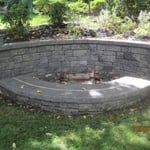
"We had a 12x24 patio installed behind our townhouse. The job came out even better than we envisioned it! The worksite was always clean and tidy, with little disturbance to my neighbors. They worked swiftly and make my backyard into the oasis I was hoping for!"
Fireplace
Wood burning firepits
Lakeside Firepit
Pool side Firepit
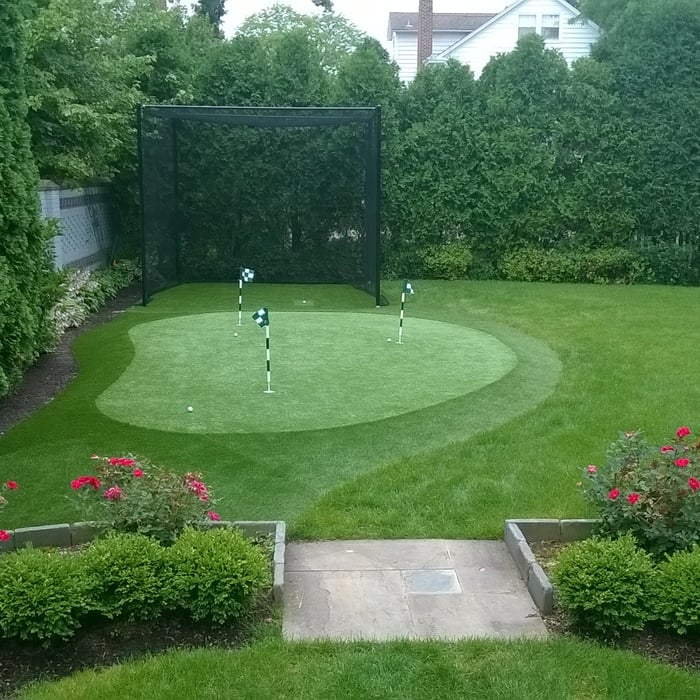
Putting Green

+10

Response time1 day
6 neighbors recently requested a quote
Recommended by84%of homeowners
...
Showing 1-10 of 148
Excavating questions, answered by experts

Whether you grind or dig up and remove your tree stump depends on your landscaping goals. Using a stump grinder leaves the root system in place for it to decompose over time, whereas digging up the tree stump removes the roots and the stump. Overall, stump grinding is a far simpler process since you won’t need to deal with the roots. Stump removal will make your yard look like a demolition site, but you’ll have an easier time replanting in the same place as your former tree.

Tree experts don’t advise against digging through tree roots, but instead encourage caution and consultation with a local arborist to make sure you don’t damage the tree’s structure or interrupt its water or nutrient intake. An arborist can recommend specific practices when digging and help prune the roots or dig a trench for utilities with a tool that can remove soil without touching the tree’s roots.

Prior to excavation, you should prepare the dig site and call 311 before you sign anything.

To get your site ready for excavation, you should move anything in the area that isn’t affixed to the land. You can save money on the excavation by removing hardscaping, including walkways, decks, concrete patios, and paver patios.

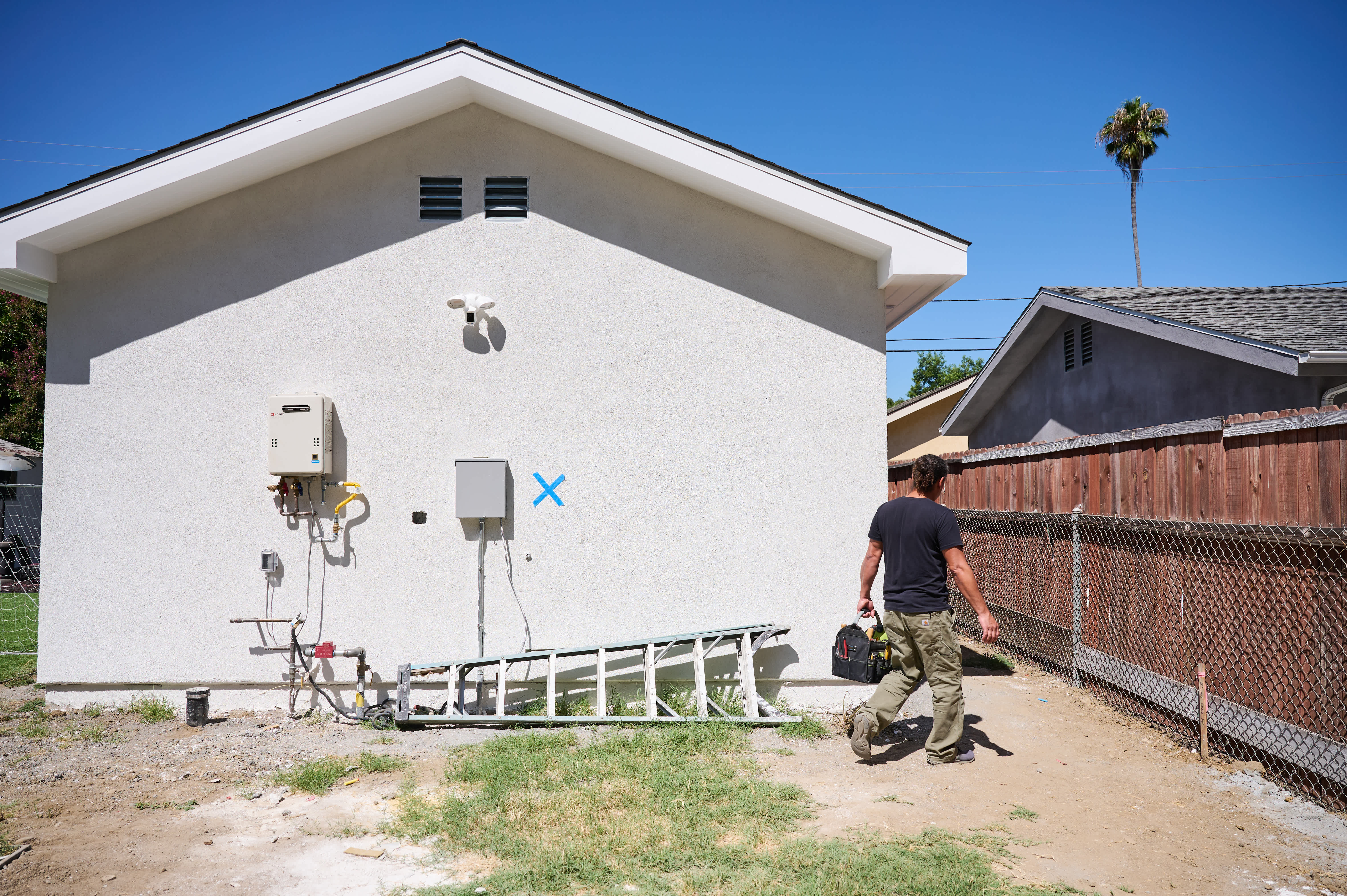
Before you carry out any digging, you should call 311 to confirm that there are no utility lines running through your excavation site. Skipping this step could lead to severe injury and property damage if your excavator hits a water, sewage, or gas line.

Depth is not a qualifying component of evacuation. Any human-made cut, cavity, or depression in the earth’s surface is considered excavation. The hole from excavation can be any size, shape, or depth. Excavation is used to create foundations, reservoirs, drainage ditches, and roads. Long, narrow excavations are called trenches and are often used for underground utilities.

The digging depth will depend on the size of the trencher you use. Even smaller units can dig up to 4 feet deep, which is plenty for a DIY job. However, much larger trenchers can reach a depth of 18 feet and are better used by a team of pro contractors, not a single DIYer. As with all home improvement projects, use the right tool for the job and proceed with caution.

The Ledgewood, NJ homeowners’ guide to excavation services

From average costs to expert advice, get all the answers you need to get your job done.