
Top-rated excavation pros.

Get matched with top excavation pros in Mount Arlington, NJ

Enter your zip and get matched with up to 5 pros

Need a pro for your excavation project in Mount Arlington, NJ?

Select your specific project to find the pro for you.

TRUSTED BY MOUNT ARLINGTON, NJ HOMEOWNERS

  • Average homeowner rating star icon4.2
    Average homeowner rating
  • Verified reviews icon40
    Verified excavation services reviews

Find Excavation pros in Mount Arlington

Avatar for JWSR, LLC
JWSR, LLC
4.8(
12
)
Building Site - Preparation and ClearingBuilding Site - Preparation and Clearing - For BusinessExcavation - Major Grading or Resloping+2 more

Serving Mount Arlington, NJ and surrounding areas

Approved

In business since 2016

Free estimates

Credit card accepted

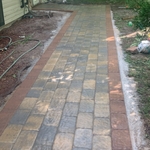
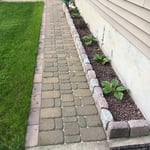
"James and his partner were very nice, prompt with the service, kept in touch when needed, delivery was great. It was a difficult spot to maneuver the truck to drop the load of stone but they did it well with no problem. Thank you guys."
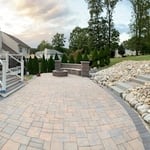
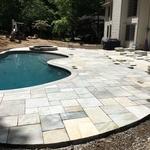
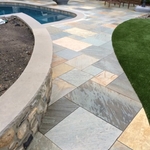
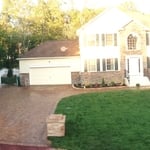
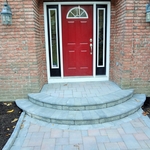
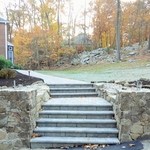
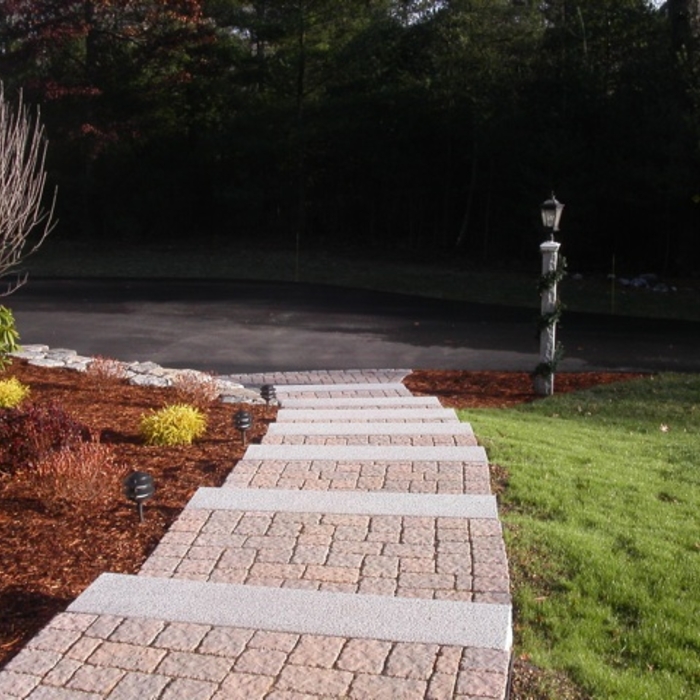
Paver walkway
Paver walkway
Response time20 mins
Response rate90%
6 neighbors recently requested a quote
Avatar for M.L. Plumbing
M.L. Plumbing
5.0(
4
)
Excavation - Major Grading or Resloping

Serving Mount Arlington, NJ and surrounding areas

Approved

Free estimates

Credit card accepted

"Had a gas leak in my mechanical room next to my boiler and hot water heater and M.L plumbing came and tested the lines and found the leak and fixed the leaking pipe.Thanks M.L plumbing for job well done and at a very reasonable price👍."
...
Showing 1-10 of 144
Excavating questions, answered by experts

The best type of soil to build on is a mixture of sand and clay, known as loam soil. Loam soil has the best combination of these soil types to build a foundation on. The clay particles help with water retention, so it won’t erode like sandy soil might, and the sandy particles help with drainage, so you won’t see unsafe soil expansion or have an increased risk of leaks from water sitting against your foundation.

The digging depth will depend on the size of the trencher you use. Even smaller units can dig up to 4 feet deep, which is plenty for a DIY job. However, much larger trenchers can reach a depth of 18 feet and are better used by a team of pro contractors, not a single DIYer. As with all home improvement projects, use the right tool for the job and proceed with caution.
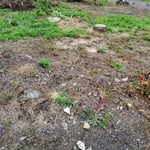
It can take several weeks for the ground to settle after removing a tree, and the soil under larger, more mature trees can take months. The deeper the tree has been ground under the soil, the longer it will take to settle. However, this extra depth can help you plant new landscaping sooner because you’ll have more space for fresh soil.

If you don’t have a crawl space but have a partial basement you want to make deeper, you can expect to spend a little less—between $40,000 and $90,000 on average. However, if you’re not adding new finished square footage, you won’t see much in the way of ROI.

No, a ditch isn’t a trench. A ditch is an open, relatively shallow channel that’s carved out of the ground and used for drainage purposes. In contrast, a trench is a deeper excavation that’s entirely underground. Trenches have many uses, including gas lines, sewage systems, and electrical wiring. Unlike trenches, ditches don’t get filled back in with dirt after they’re dug.

The Mount Arlington, NJ homeowners’ guide to excavation services

From average costs to expert advice, get all the answers you need to get your job done.