



Top-rated excavation pros.

Best excavation pros near Budd Lake, NJ

Enter your zip and get matched with up to 5 pros

Need a pro for your excavation project in Budd Lake, NJ?

Select your specific project to find the pro for you.

TRUSTED BY BUDD LAKE, NJ HOMEOWNERS

  • Average homeowner rating star icon4.6
    Average homeowner rating
  • Verified reviews icon61
    Verified excavation services reviews

Top-Rated Excavation pros in Budd Lake - Updated Nov 2026

D & V Landscaping, LLC
4.9(
17
)
Excavation - Major Grading or ReslopingLandscape - Minor Grading or Resloping

Serving Budd Lake, NJ and surrounding areas

Approved

In business since 2010

Free estimates

Warranties offered

"This is the 2nd home at which we have had Matt and Anthony create our outdoor spaces...7 projects in total, one of which was a fencing project. They DO what they say they are going to do WHEN they said they would do it, 100% of the time, that is rare! Prices are very reasonable and the work is exemplary! If you are not sure how you want the project designed, no worries ... Matt and Anthony will even help you design your project!"
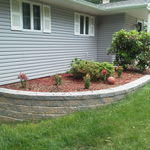
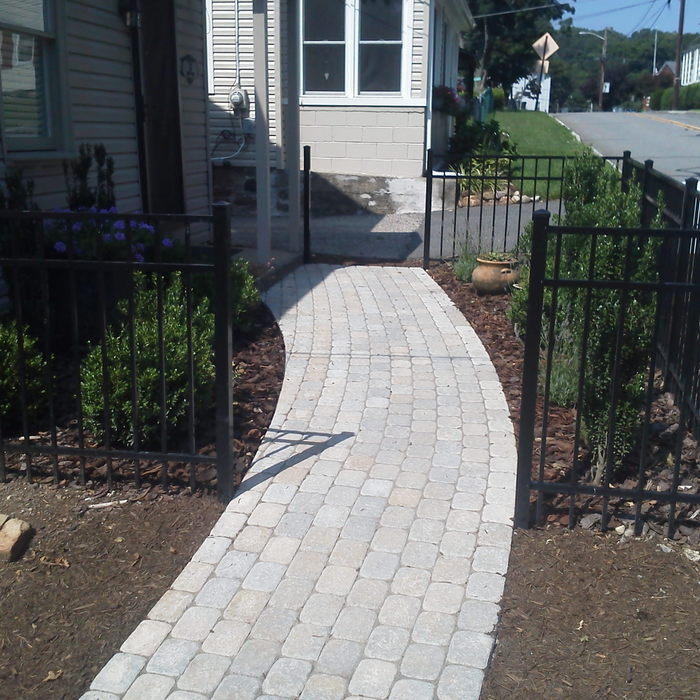
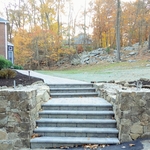
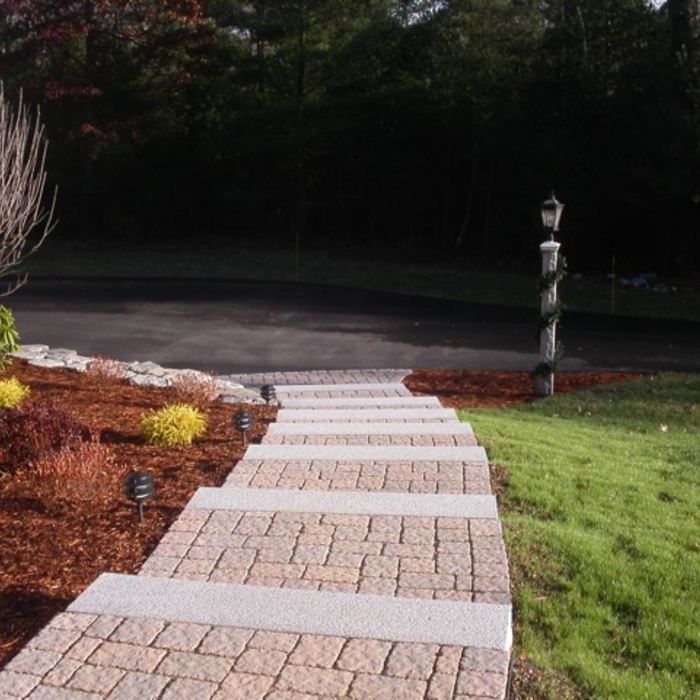
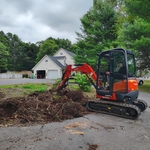
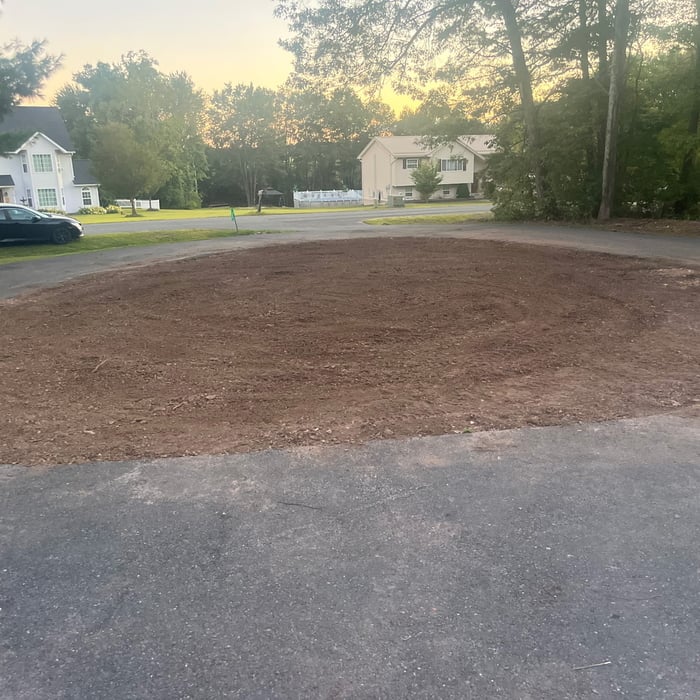
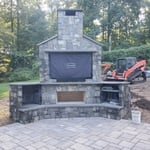
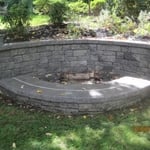
   wall
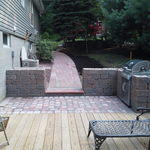
 BBQ grill area
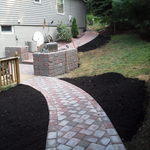
  walk from BBQ
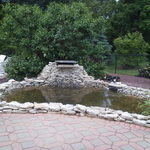
  2,000 gallon Pond
  small walk

+7

Response time1 day
Response rate100%
Recommended by100%of homeowners
...
Showing 1-10 of 146
Excavating FAQs, answered by experts

Preparation involves site assessment, clearing debris, grading surfaces, and compacting soil to support stable construction.

There is no standard depth for burying a septic tank; they are typically buried anywhere from 4 inches to 4 feet underground. The final depth depends on several factors, including the depth of your main sewer line, the height of the bedrock, soil type, local regulations, and the property's landscape. If you plan to grow grass or plants over the tank, a depth of at least 4 to 6 inches is recommended. Deeper tanks can be more difficult to locate, but a septic professional can help find it for you.

To determine whether your homeowners' insurance will cover crawl space repair, consider the cause of the issue. Repair may be covered if the problems were caused by an event that the insurance covers, such as vandalism or a windstorm. However, companies won't cover the repair if the issues are caused by neglect or wear and tear.

In the United States, a depth of 36 inches (three feet) for underground water lines is the accepted industry standard. This depth varies from location to location based on local conditions. In areas with colder winters, they may be buried deeper to prevent frozen well water pipes : This is usually at least six inches below the frost level. The International Plumbing Code calls for a minimum of 12 inches below grade.

Sewer lines can be buried anywhere from 18 inches to 8 feet deep, with a common average depth between 18 and 30 inches. The exact depth depends on local factors like climate and soil type. In colder regions, pipes must be buried deeper (below the frost line) to prevent freezing, sometimes as deep as 8 feet. The digging depth can also impact the cost of sewer line replacement. To find the specific depth for your property, you can check the building plans for your system, which should be on file with your city or local sanitation department since permits are required for installation.

The Budd Lake, NJ homeowners’ guide to excavation services

From average costs to expert advice, get all the answers you need to get your job done.