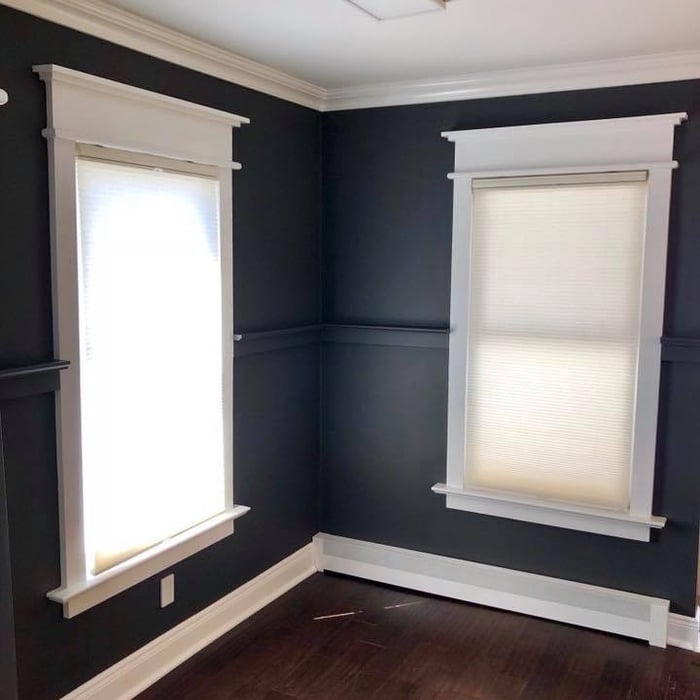







Top-rated drywall pros.

Get matched with top drywall pros in Ledgewood, NJ

Enter your zip and get matched with up to 5 pros

Need a pro for your drywall service project in Ledgewood, NJ?

Select your specific project to find the pro for you.

TRUSTED BY LEDGEWOOD, NJ HOMEOWNERS

  • Average homeowner rating star icon4.8
    Average homeowner rating
  • Verified reviews icon81
    Verified drywall services reviews

Find Drywall pros in Ledgewood

Avatar for Joseph & Sons Construction, LLC
Joseph & Sons Construction, LLC
4.9(
167
)
Drywall - InstallDrywall - Install - For BusinessDrywall - Repair+1 more

Serving Ledgewood, NJ and surrounding areas

Approved

In business since 1995

Free estimates

Emergency services offered

"We hired Joseph & Sons to waterproof/Drylock our basement. They did an amazing job so I continued to ask for more projects to be completed, which included painting, spackling, walkway leveling, caulking, and many more. Each job was done to perfection and with very reasonable pricing. They always ensured the job was completely finished without question and they never gave up until it was perfect. They showed up when they said they would and stayed until the job was done. We would highly recommend them for any of your home projects."
custom luxury home
custom luxury home
remodeled spacious basement
Renovated backyard
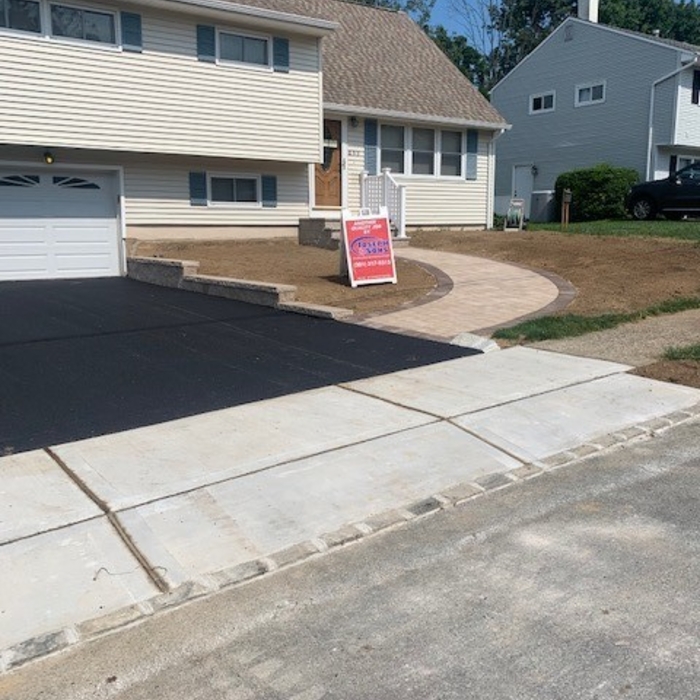
renovated walkway and driveway

+1

Response time1 day
Recommended by89%of homeowners
Avatar for Glenn Contracting, LLC
Glenn Contracting, LLC
5.0(
9
)
Drywall - Install

Serving Ledgewood, NJ and surrounding areas

Approved

In business since 2010

Free estimates

Warranties offered

Glenn Contracting LLC is committed to excellence in every aspect of our business. We uphold a standard of integrity bound by fairness, honesty, and personal responsibility. Our distinction is the quality of service we bring to our customers. Accurate knowledge of our trade combined with ability is what makes us true professionals. Above all, we are watchful of our customers' interests, and make their concerns the basis of our business.

Newark VoTech School
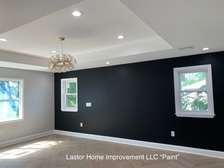
Additional Photos
Additional Photos
Additional Photos
Additional Photos

+6

11 neighbors recently requested a quote
Recommended by100%of homeowners
Avatar for PRECISION HOME REPAIR & RENOVATION LLC
PRECISION HOME REPAIR & RENOVATION LLC
4.8(
31
)
Drywall - InstallDrywall - Repair

Serving Ledgewood, NJ and surrounding areas

Approved

Super Service Award Winner

In business since 2025

Free estimates

Warranties offered

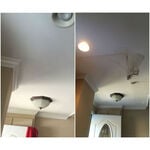
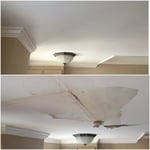
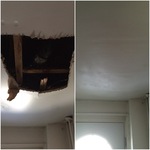
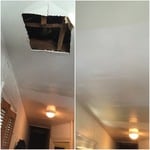
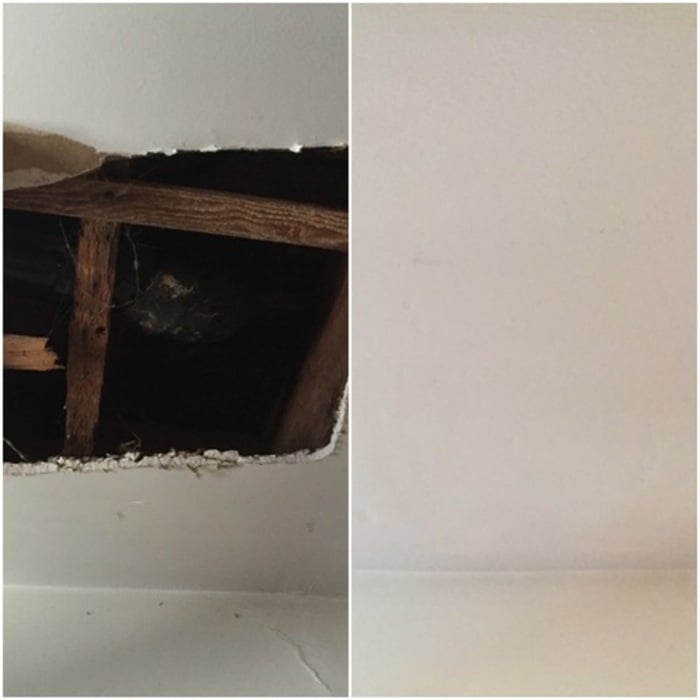
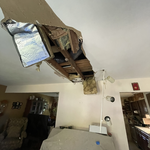
"Jared was professional and thorough in his work. I am extremely grateful to him for the level of care and expertise he showed with my home repair. After a roof leak I was left with areas of my ceiling where the drywall was cut out to prevent mold growth and needed to be replaced. I was nervous going in that the repair might be noticeable since I had previously been told I should just replace the entire ceiling. I am thrilled with the work that was done by Jared with Precision Home Repair. He made a very stressful moment a bit easier to get through. Thank you, Jared!"
Response time6 hrs
Response rate100%
...
Showing 1-10 of 418
Drywall questions, answered by experts

Although they have similar applications, spackle and joint compound are not the same. Their primary differences lie in their composition, consistency, and ideal use cases.

Spackle is composed of gypsum and binding agents, making it thicker than joint compound. It dries quickly and is easy to sand, which makes it ideal for small wall repair projects like filling nail holes or patching minor damage.

Joint compound, also known as drywall mud, consists of limestone and gypsum. It is primarily used for large-scale projects, such as taping and finishing the seams on newly installed drywall. It tends to shrink more than spackle and can be more difficult to spread.

While both products can be used to fill small depressions and cracks, spackle cannot replace joint compound for taping and mudding new drywall. Conversely, you can often use joint compound for small patching jobs typically done with spackle.

When used correctly, drywall patch kits can work well. However, there are limitations. Specifically, these kits can only cover holes up to 5 inches in diameter. For anything larger than that, you’ll need to cut out the affected section of drywall and replace it with a new piece. That’s a far more complicated process that involves buying the right type of drywall, finding the wall studs, cutting into your wall, and screwing the replacement drywall in place.

Furring strips, thin strips of wood or metal, are not always required for ceiling drywall installation. If the ceiling surface is even and in good condition, drywall can be directly attached to the ceiling joists using screws. However, furring strips become essential when dealing with irregular surfaces or when additional insulation or soundproofing is needed. They create a level substrate for attaching the drywall. Ultimately, the decision to use furring strips depends on the condition of the existing ceiling and the specific requirements of the project.
Yes, it is possible to rewire a house without removing the drywall, but this doesn’t work in all homes. You can pull out old wires and insert new ones if you have access to the wiring system via the ceiling or through a crawl space. Some pros can also use a magnetic kit to fish the old wire out of the wall through a hole cavity and install the new wires. Just keep in mind that doing this is less stable than removing drywall, as you won’t be able to staple the wires into the framing.

All plaster walls will crack over time due to normal house settling and expansion and contraction from temperature and moisture changes. Small, thin hairline cracks are generally not serious and are mostly a cosmetic issue. However, larger or more significant cracks can indicate structural problems.

Here's how to tell the difference:

  • Cosmetic Cracks: Cracks that are 0.5 cm (0.2 inches) or thinner are typically cosmetic.

  • Structural Cracks: Cracks wider than 0.5 cm, excessive or deep cracks, multiple cracks in the same area, or cracks that span around corners can signify a structural or foundation issue. Cracks along the joints where walls meet the ceiling also warrant attention.

For cracks wider than 0.5 cm, structural repair is needed. If a crack is 2.5 cm (1 inch) or wider, or if you notice any signs of a structural problem, it is best to contact a plaster repair professional to assess the damage.

The Ledgewood, NJ homeowners’ guide to drywall services

From average costs to expert advice, get all the answers you need to get your job done.