




Get matched with top radon detection and reduction specialists in Evesham, NJ
Top-rated radon detection and reduction specialists.

Need a pro for your radon detection and reduction project in Evesham, NJ?

Select your specific project to find the pro for you.
Radon Detection and Reduction questions, answered by experts

Long-term exposure increases lung cancer risks. Prolonged homestay individuals and smokers encounter heightened vulnerability and exposure concerns.

No, air purifiers are not an effective way to reduce or remove radon. Radon is a radioactive, inert gas that cannot be filtered by standard air purifiers, which are designed to capture particulates like dust and mold. While an air purifier can improve indoor air quality by removing other pollutants, it should not be relied upon for radon. The only effective solution for high radon levels is a dedicated radon mitigation system.

Radon is present almost everywhere but, like sunlight, the concentration levels and how often you are exposed to it have a large part to play in just how dangerous it is. There are levels of radon that are acceptable inside a house, but above a certain limit, radon becomes a serious radioactive hazard that is a known cause of lung cancer. In fact, radon exposure is the number two leading cause of lung cancer (after smoking).

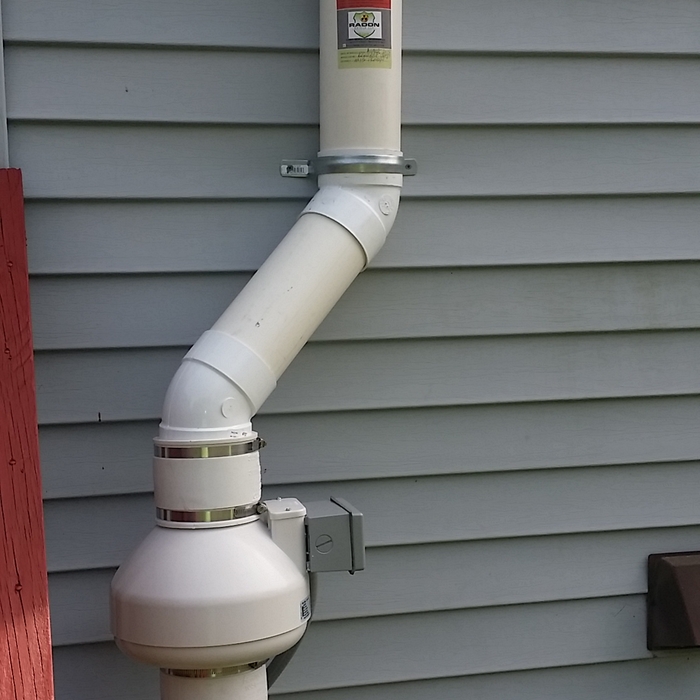
You can vent radon out of your house sometimes by simply opening a window, but it won’t remove the source, and will likely rise above recommended levels quickly. A professional will be needed to assess your home, and determine the best strategy for radon removal. Active radon sump pumps and soil depressurization systems are often used to forcefully vent the radon from your home.

No level of radon is technically safe, but since it is present everywhere, complete avoidance is impossible. The average radon level in homes across the United States is 1.3 picocuries per liter (pCi/L). The Environmental Protection Agency (EPA) recommends taking preventative measures if your home's radon levels are between 2 and 4 pCi/L or higher.