

Top-rated septic tank pros.

Get matched with top septic tank pros in Laurel, NE

Enter your zip and get matched with up to 5 pros

Need a pro for your septic tank service project in Laurel, NE?

Select your specific project to find the pro for you.

Find Septic tank pros in Laurel

Avatar for American Home Shield – Home Warranty
American Home Shield – Home Warranty
3.5(
5,688
)
Septic System - Install or ReplaceSeptic System - Install or Replace - For BusinessSeptic System - Repair+3 more

Serving Laurel, NE and surrounding areas

In business since 1971

Credit card accepted

"I just pay $75 you never know who's going to come out. They do everything electrical. Just about everything is covered except the septic tank. I had an air conditioner replaced. It went great, all I had to do was pay for the freon. He didn't charge e more than what was needed."
Additional Photos
Additional Photos
Additional Photos
Additional Photos
Additional Photos

+2

Recommended by65%of homeowners
Avatar for EV Contracting
EV Contracting
5.0(
2
)
Septic System - Install or ReplaceSeptic System - Install or Replace - For BusinessSeptic System - Repair+1 more

Serving Laurel, NE and surrounding areas

In business since 2019

Free estimates

Offers commercial services

EV Contracting\n works hard to provide the highest quality workmanship and customer service on every job we are awarded. With over 25 years of experience in this business, we look forward to servicing your concrete, excavation, plumbing, and septic needs. Thank you for the opportunity to achieve your visions.

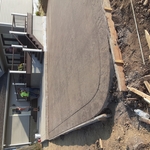
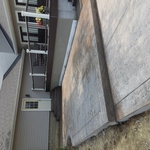
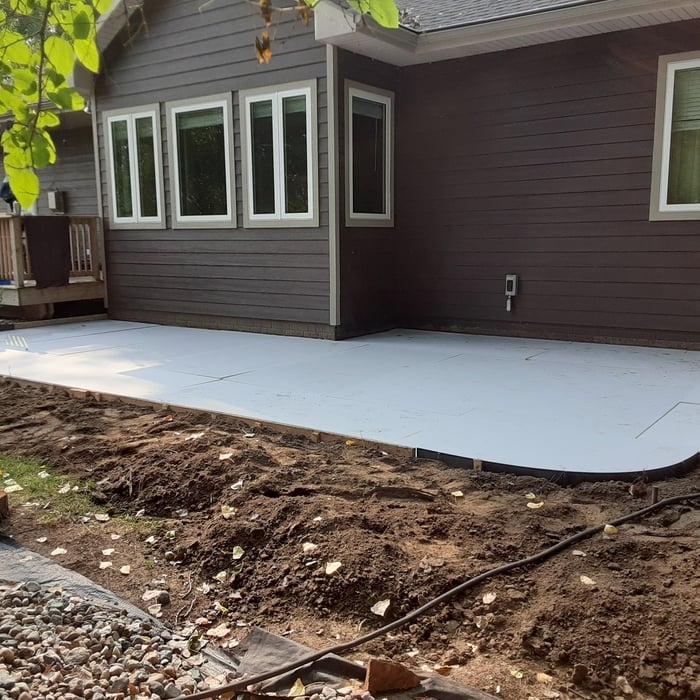
Decorative concrete
Stamped concrete
Decorative concrete
Decorative concrete
Decorative concrete

+9

Response time4 hrs
Recommended by100%of homeowners
Septic Tanks questions, answered by experts

The pressure in a well pressure tank should be set 2 to 3 PSI below the pump's cut-on pressure. The cut-on pressure is the lower number in the pressure setting (e.g., the '30' in 30/50 PSI) and is the point at which the pump starts. The cut-out pressure is the higher number, where the pump stops.

For example:

  • If your pressure switch is set to 30/50 PSI, the tank pressure should be 27-28 PSI.

  • If your pressure switch is set to 40/60 PSI, the tank pressure should be 38 PSI.

Common pressure settings for household applications include 20/40, 30/50, and 40/60 PSI. The difference between the cut-on and cut-out pressure is typically 20 PSI.

A new water well pressure tank costs $300 to $500. If you choose to hire a plumber for the job, expect labor to cost $125 to $200. If the tank is difficult to access, labor will cost more. Diaphragm and bladder well pressure tanks have similar costs. One-compartment well pressure tanks are less costly, but they have a higher chance of waterlogging. Larger pressure tanks cost more and hold more water, but they don’t increase water pressure.

Yes, septic tank companies must be licensed in most states and municipalities to perform services like installation, alteration, repair, and pumping. Since laws vary by location, it's crucial to check local requirements.

Hiring an unlicensed professional can lead to poor work, code violations, and significant fines. Always verify that your chosen company is properly licensed and fully insured to avoid liability. You can use tools like Angi’s contractor licensing search to check a pro's credentials.

It's also helpful to understand the difference between licensing and certification. A license is a legal requirement to operate, while certifications are voluntary. Credentials like the “Angi Approved” badge indicate that a business meets extra standards, such as passing a background check and maintaining a high rating.

Rainwater doesn't have a direct impact on the amount of water in your well. Instead, the majority of rain runs off into other bodies of water such as streams, rivers, and lakes. These bodies of water may sometimes function as the area’s reservoir and create aquifers, which then help to replenish your well.

How do you set your well’s pressure tank? All you need to do is first drain the tank of water and find the pressure switch. Remove the switch cover and adjust the switch with a wrench—clockwise to increase water pressure, and counter-clockwise to reduce it. Each complete turn of the nut on the switch should equal 2.5 psi. Once this is done, replace the switch cover. All that’s left is to adjust the pressure of the tank itself using an air compressor and a tire gauge to support the new setting.

The Laurel, NE homeowners’ guide to septic tank services

From average costs to expert advice, get all the answers you need to get your job done.