







"I just pay $75 you never know who's going to come out. They do everything electrical. Just about everything is covered except the septic tank. I had an air conditioner replaced. It went great, all I had to do was pay for the freon. He didn't charge e more than what was needed."
With 30 Years of industry experience, we are dedicated to providing our clients with the very best in service, installation, and repair for all phases of your plumbing needs. We specialize in a variety of residential and commercial services and take pride in the attention to detail put into each of the projects we are involved with. We are known for our quality work and the integrity of our business. We look forward to building long-term relationships with our clients, and guarantee your satisfaction.
Broken Spur Ranch provides Skid loader and excavator work. Also tractor work. Moving and halling materials. Give us a call or click for an estimate today
Your septic tank naturally contains the beneficial bacteria it needs to function, so you typically don't need to add more. However, if you wish to replenish the bacteria, you can use natural methods. For example, you can add three overripe tomatoes to your garbage disposal or flush 1/4 ounce of active yeast down the toilet every three months. While store-bought septic enzymes and chemicals are available, many experts consider them unnecessary and potentially harmful. The most effective way to maintain a healthy bacteria population is to avoid using chemical drain cleaners, which can kill the good bacteria in your system.
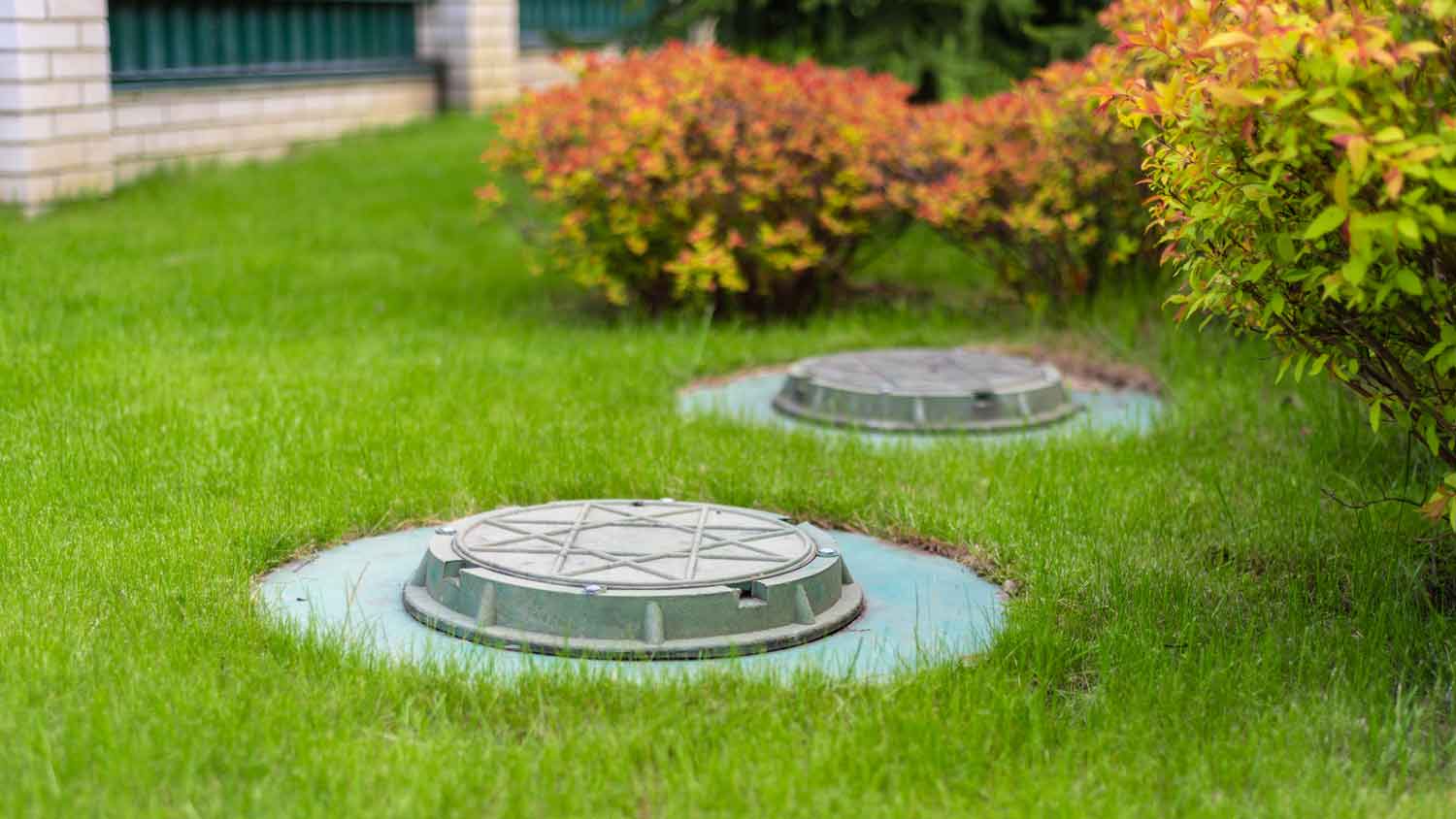
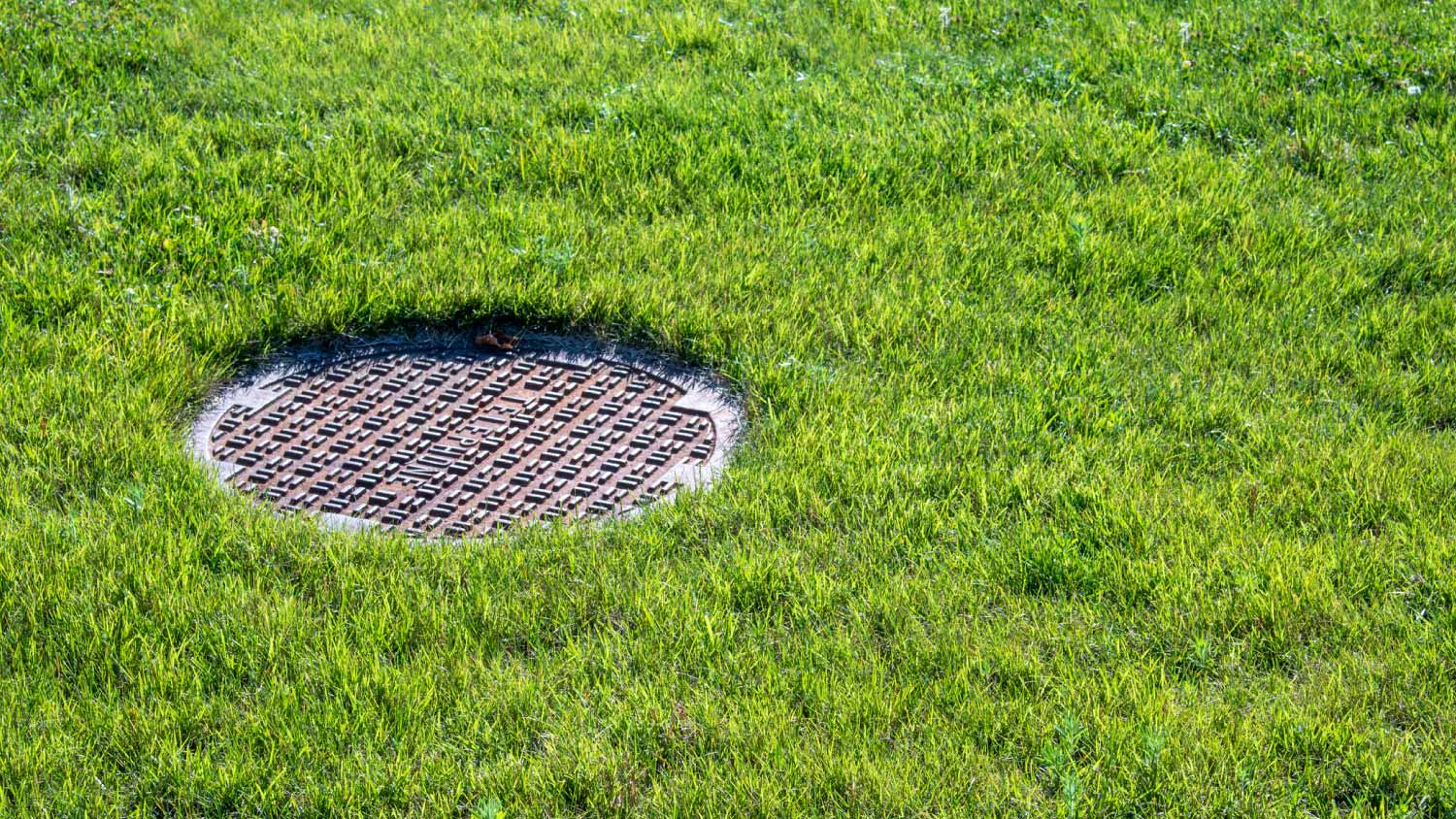
A septic tank riser features a base ring that you need to install flush to the opening of the septic tank. After thoroughly cleaning the opening of the tank, fit the base ring over the opening and use a butyl sealant rope to create an airtight seal with the tank’s rim. Cut the riser rings to the appropriate height and stack them on the base ring. Then, install the riser lid. This task might be taken on by an experienced DIYer, but you should always call a septic tank professional if you are unsure of your skills.
Depending on the size and location of your septic tank repair job, you may want to let the septic pros finish before tackling other backyard work. However, in some cases, it’s not a bad idea to coordinate between your providers if the timing’s right and your septic repair pro says it’s safe to do so. For instance, if the septic repair work is happening in the fall, you might want to take advantage of the opportunity to prepare your backyard landscaping for winter , or in spring, start mulching the garden beds.
Septic drain lines (or leach lines) are typically buried between 18 and 36 inches underground, and should be at least 6 inches below the surface. These pipes are perforated and surrounded by filtering materials like sand or gravel. Burying the lines at this depth helps minimize odors and allows bacteria and other biological processes in the soil to effectively treat the wastewater. Burying lines too close to the surface can cause issues unless the soil is very compact and stable.
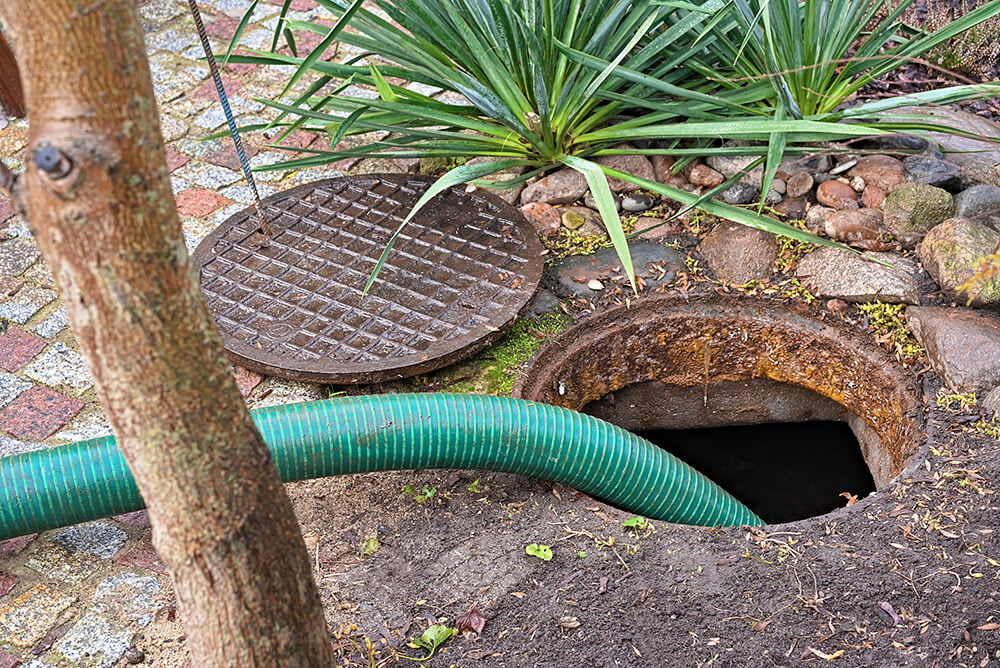
Most septic tanks need to be emptied every 3 to 5 years, but it’s a good idea to monitor the fill levels of your septic tank all the time. You can do this by installing a pressure level sensor to detect the internal tank pressure, or by having a septic tank company perform an annual inspection to let you know when you’ll need to pump the tank.
The Burbank, SD homeowners’ guide to septic tank services
From average costs to expert advice, get all the answers you need to get your job done.
Caring for your septic system is crucial to ensuring its long life. But how much does it cost to pump a septic tank? We explore the different cost factors.
A damaged septic system can leak odors and sewage, so repairs are urgent. Find out how much septic tank repair costs based on repair type, tank size, and more.
Septic tank risers make it easy to access your septic tank when it’s time for routine inspection, maintenance, and pumping, saving you precious time and labor costs.
Septic tank sizes vary depending on the size of your home, how many people live there, how much water you use, and more. Read on to learn how to determine the right size for you.