






Top-rated septic tank pros.

Get matched with top septic tank pros in Ponca, NE

Enter your zip and get matched with up to 5 pros

Need a pro for your septic tank service project in Ponca, NE?

Select your specific project to find the pro for you.

Find Septic tank pros in Ponca

Avatar for EV Contracting
EV Contracting
5.0(
2
)
Septic System - Install or ReplaceSeptic System - Install or Replace - For BusinessSeptic System - Repair+1 more

Serving Ponca, NE and surrounding areas

In business since 2019

Free estimates

Offers commercial services

EV Contracting\n works hard to provide the highest quality workmanship and customer service on every job we are awarded. With over 25 years of experience in this business, we look forward to servicing your concrete, excavation, plumbing, and septic needs. Thank you for the opportunity to achieve your visions.

Decorative concrete
Stamped concrete
Decorative concrete
Decorative concrete
Decorative concrete

+9

Response time4 hrs
Recommended by100%of homeowners
Septic Tanks questions, answered by experts

With regular servicing and general upkeep, both a well pump and pressure tank can last for years. The average lifespan of a well pump is around eight to 15 years. A well pressure tank can last from seven to 10 years. How long a well pump and pressure tank lasts also depends on a variety of factors such as type, size, material, and brand.

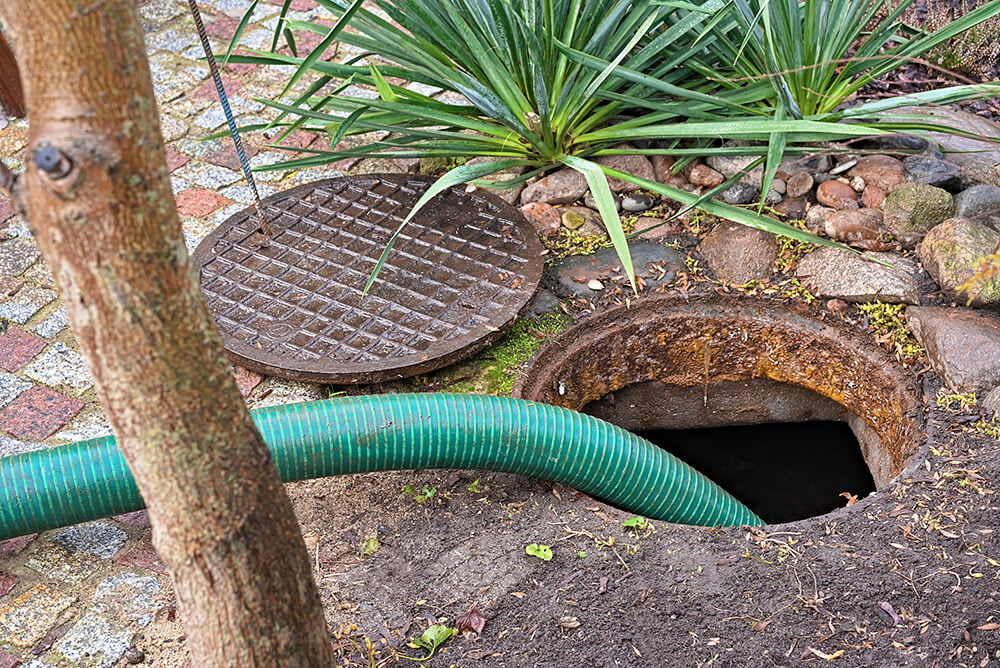
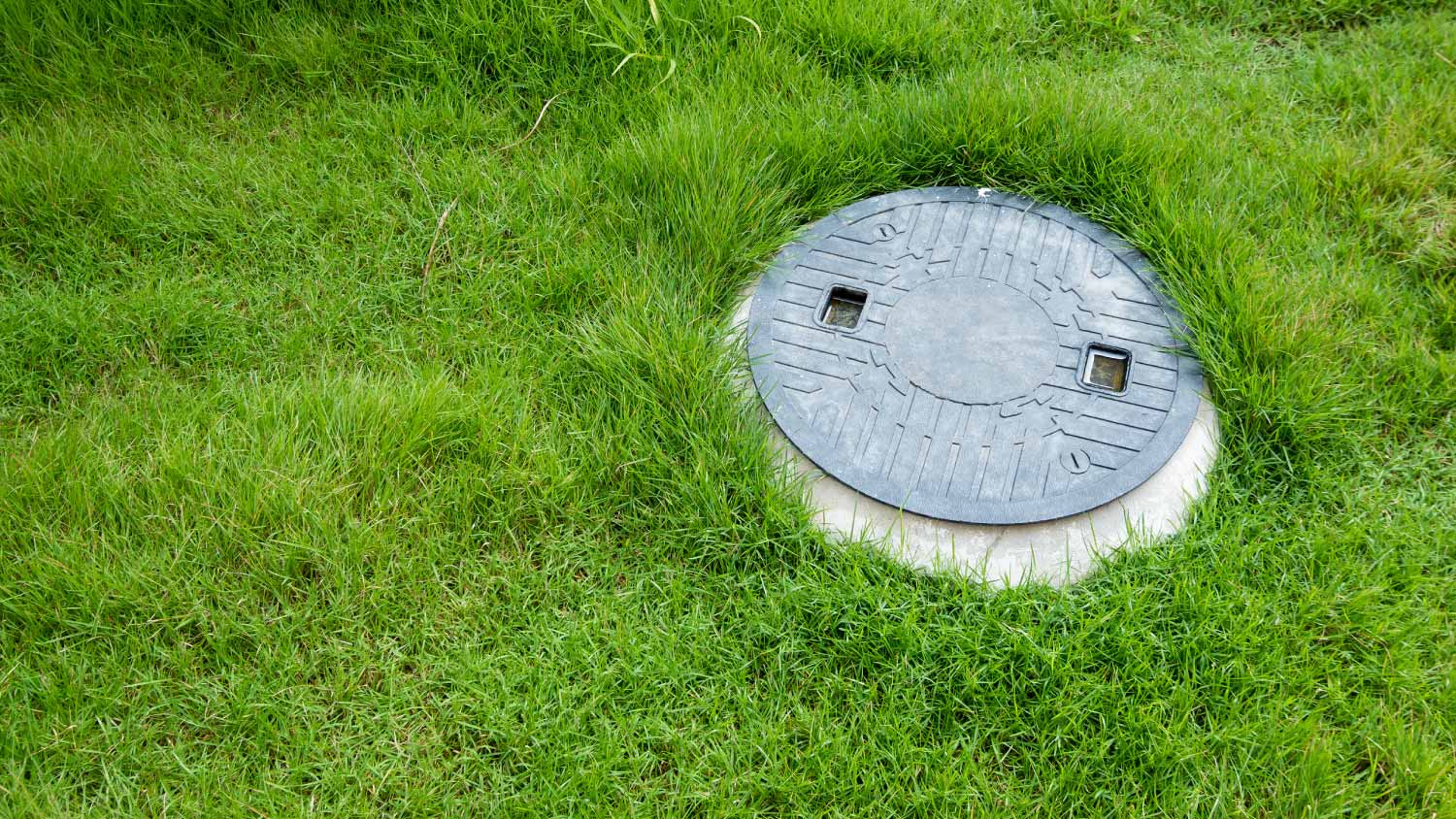
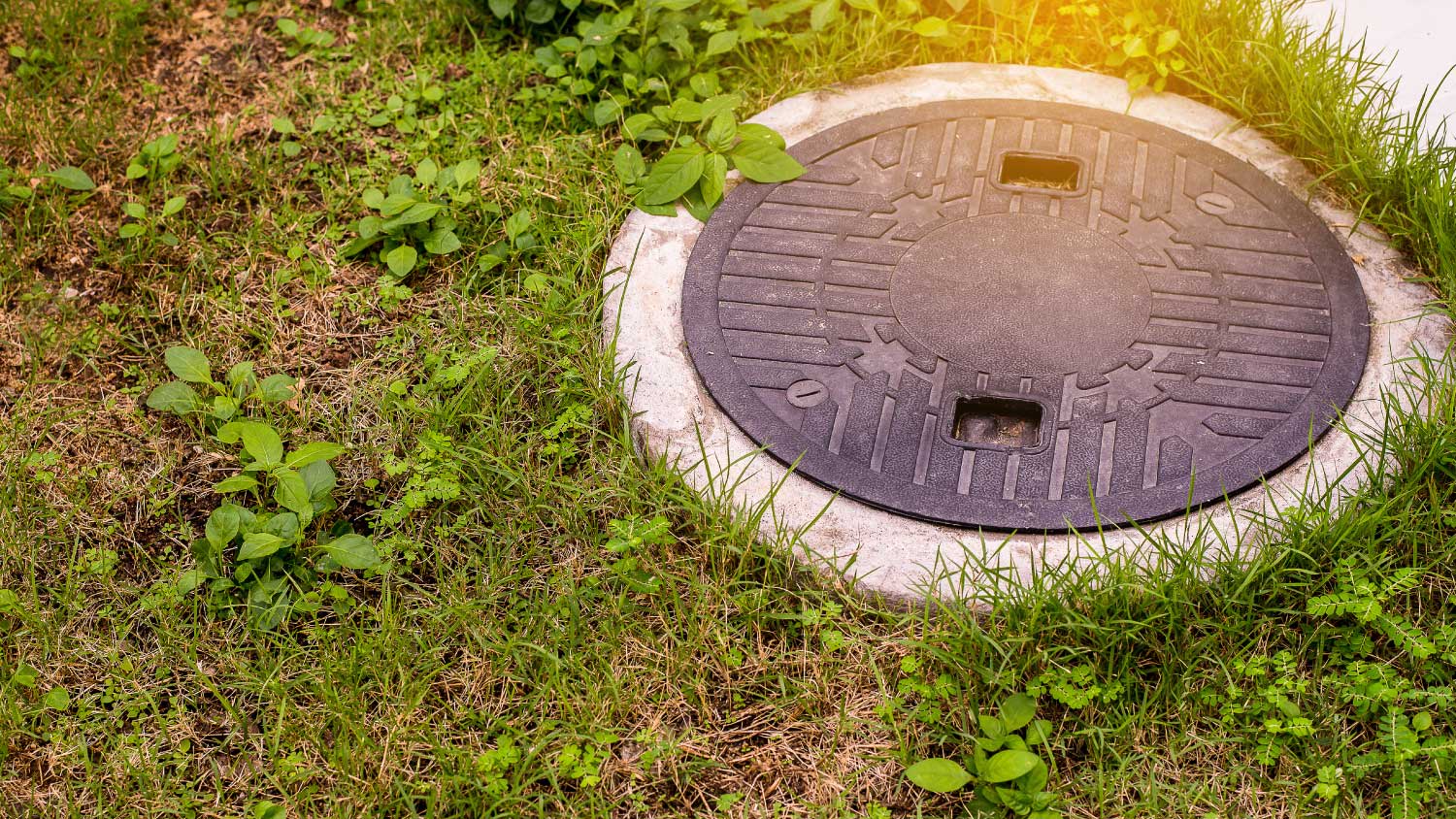
They can if they’re not installed correctly or if the caps or covers were dislodged by a lawn mower or other yard equipment. This is why it pays to hire a reputable septic tank company that’s experienced in septic tank installation and maintenance. You should also check caps and covers often to see that they’re in place and take measures to tighten or secure them, provided it is safe to do so.

Yes, shower water goes into the septic tank. Shower water is a type of greywater, and in fact, all water used in a home with a septic system—including water from sinks, toilets, the dishwasher, and the washing machine—drains into the tank. When shower water enters the tank, debris like soap and hair travels with it. The solid debris sinks to the bottom to become sludge, while soap residue joins the scum layer at the top. The remaining water is treated in the tank before moving to the drain field for further treatment and dispersal. It is important to avoid putting oil or harsh chemicals down any drain, as they can cause clogs or disrupt the beneficial bacteria required for proper wastewater management in the septic system.

Rainwater doesn't have a direct impact on the amount of water in your well. Instead, the majority of rain runs off into other bodies of water such as streams, rivers, and lakes. These bodies of water may sometimes function as the area’s reservoir and create aquifers, which then help to replenish your well.

There are three layers of wastewater in a septic tank: scum (solid waste that floats to the top of the wastewater), liquid (the relatively clean liquid wastewater in between the two other layers), and sludge (solid waste that falls to the bottom of the wastewater). The buildup of sludge is one of the main reasons septic tanks need to be pumped. If the tank is more than 1/3 of the way full with a combination of sludge and scum, it’s time to call a pro for pumping.

The Ponca, NE homeowners’ guide to septic tank services

From average costs to expert advice, get all the answers you need to get your job done.