"He was able to quickly diagnose that the water leak from the water heater was a result of a ruptured tank, resulting in the need to replace the entire water heater."
"I just pay $75 you never know who's going to come out. They do everything electrical. Just about everything is covered except the septic tank. I had an air conditioner replaced. It went great, all I had to do was pay for the freon. He didn't charge e more than what was needed."
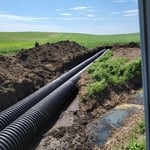
Broken Spur Ranch provides Skid loader and excavator work. Also tractor work. Moving and halling materials. Give us a call or click for an estimate today
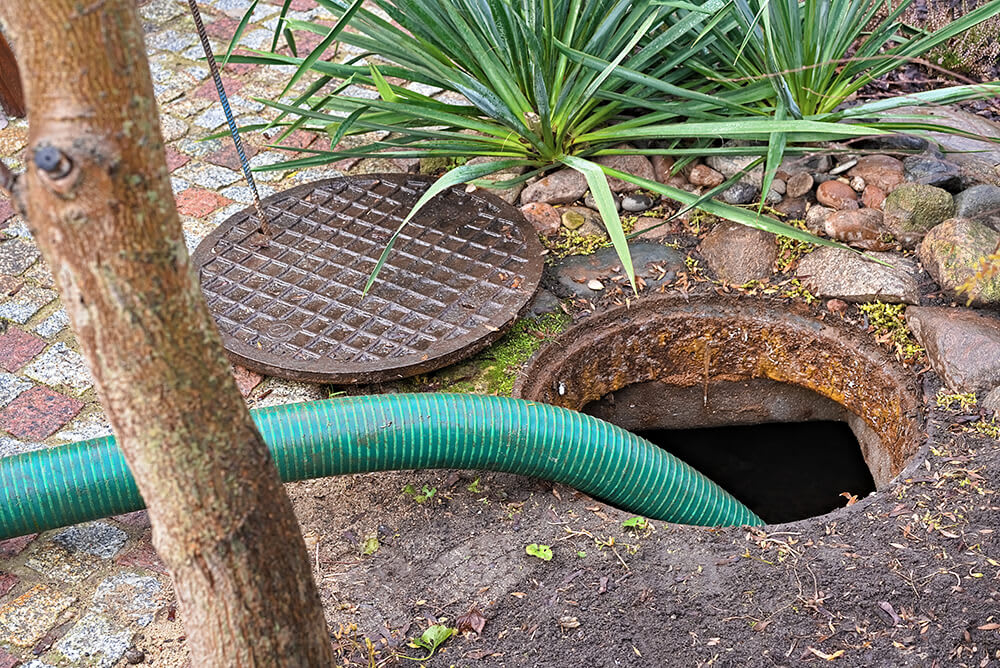
On average, you should call a pro to pump your cesspool once per year. If you have a larger home with a lot of family members, you may need to pump more (up to six times per year). On the flip side, if you’re talking about a cesspool for a home you don’t use much or if you’re the only occupant in a home, you won’t have to pump nearly as much.
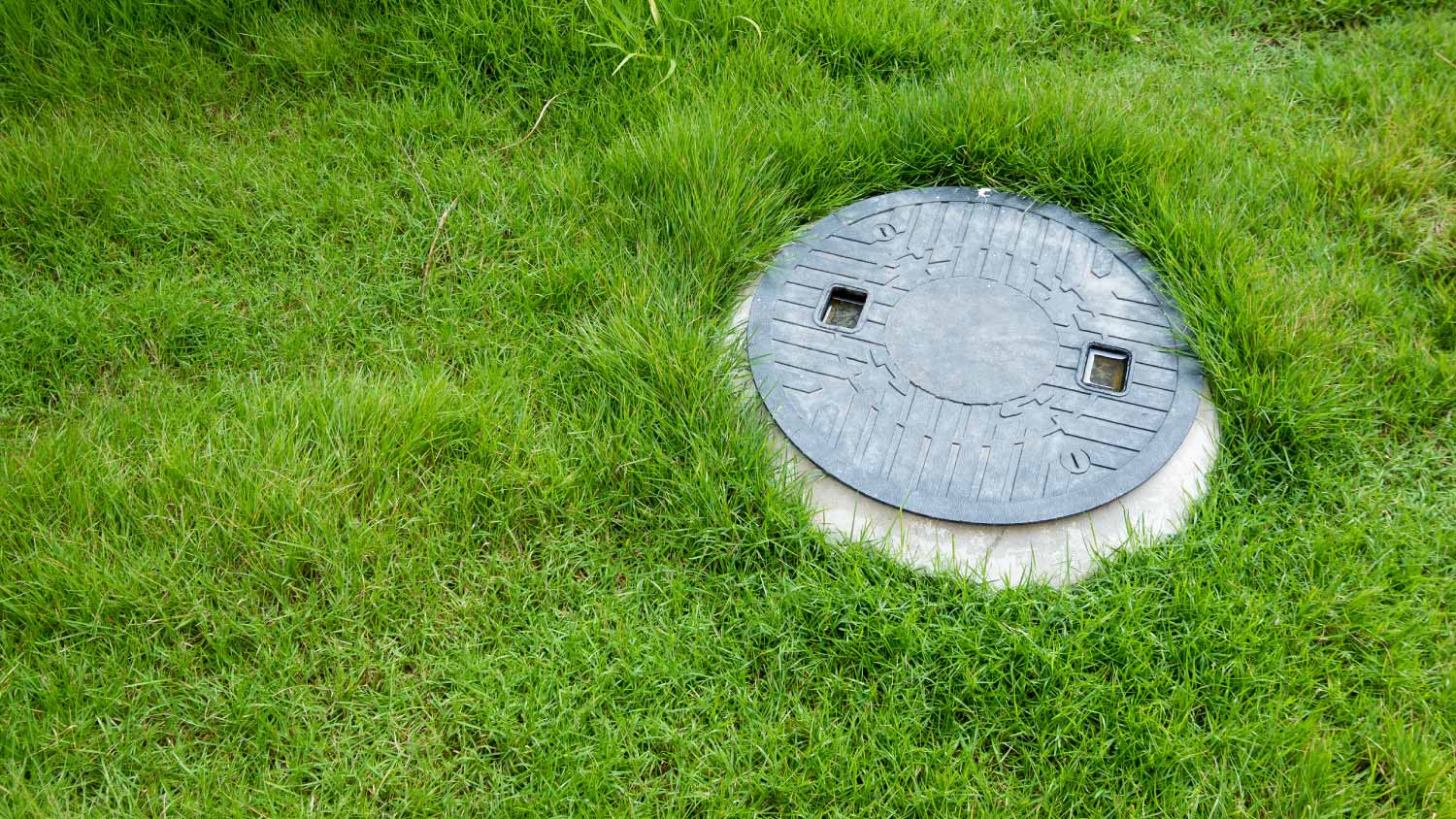
Your drain field or leach field should be 1 to 3 feet under the ground. It will be a little shallower than the septic tank, although it can be the same depth or slightly deeper. The proper depth of the septic tank is up to 4 feet. It’s possible that your local regulatory agency requires a certain depth for your drain field.
Most well pump pressure switches have a factory setting of 30 to 50 PSI. There’s some flexibility with this if you’d like a lower or higher water pressure, but remember that it should sit 2 to 3 PSI above your well tank’s general pressure setting.
The inside of your pressure switch cover will usually indicate minimum and maximum settings—going below and above the numbers might damage your well pump.
On average, septic systems last between 15 and 20 years. However, with proper care and routine septic maintenance, you may be able to extend your septic system’s life span to 30 years (or more). Some ways to keep your system in tip-top shape include scheduling a professional inspection every two to five years and reducing the flow of wastewater into your system.
To prevent septic tank problems, save on repair costs, and keep your home running smoothly, it's essential to perform regular maintenance. Have your septic system inspected by a professional every one to three years, or annually if possible, to spot potential issues before they develop. You should also have your tank pumped every three to five years, or more frequently if recommended by a professional based on your household's usage. Additionally, be mindful of what goes into your system. Avoid flushing items like paper towels, wet wipes, and feminine hygiene products. Do not dispose of other inappropriate substances, and try to avoid excessive water usage at a single time.
The Bloomfield, NE homeowners’ guide to septic tank services
From average costs to expert advice, get all the answers you need to get your job done.
Caring for your septic system is crucial to ensuring its long life. But how much does it cost to pump a septic tank? We explore the different cost factors.
A damaged septic system can leak odors and sewage, so repairs are urgent. Find out how much septic tank repair costs based on repair type, tank size, and more.
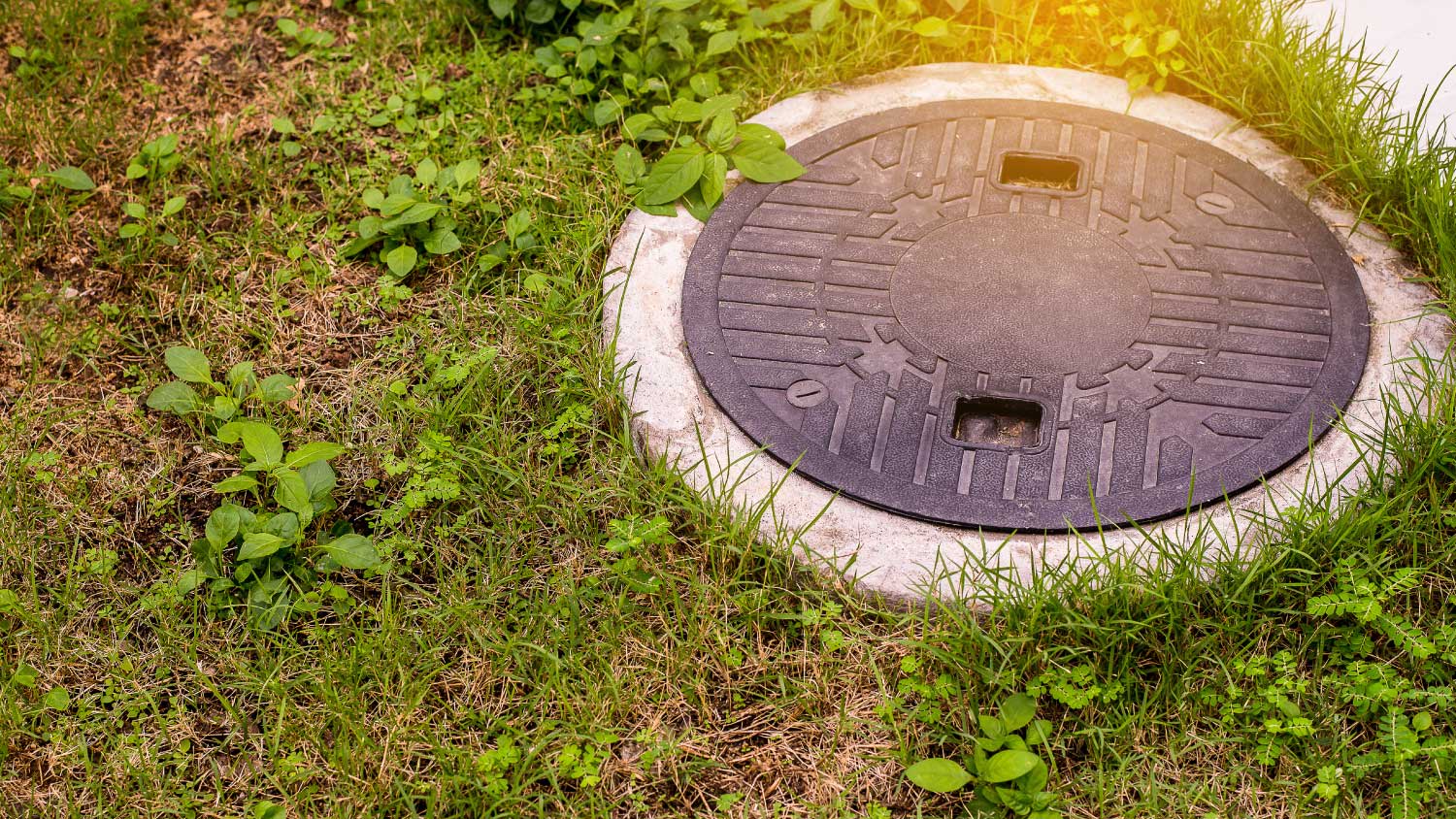
Septic tank risers make it easy to access your septic tank when it’s time for routine inspection, maintenance, and pumping, saving you precious time and labor costs.
Septic tank sizes vary depending on the size of your home, how many people live there, how much water you use, and more. Read on to learn how to determine the right size for you.