"The tech was very knowledgeable and went above and beyond to satisfy us. Our faucet was broken would not attach to the sink as the copper seal broke to the water lines."
"One oven doesn't work at all ( my choice, see above), the "working" oven was never calibrated properly so using it is hit or miss. It's time to call American Home Shield to see about replacing the entire unit. I'm waiting to finish other home projects before calling them. I don't know if I'll request Greenway again."
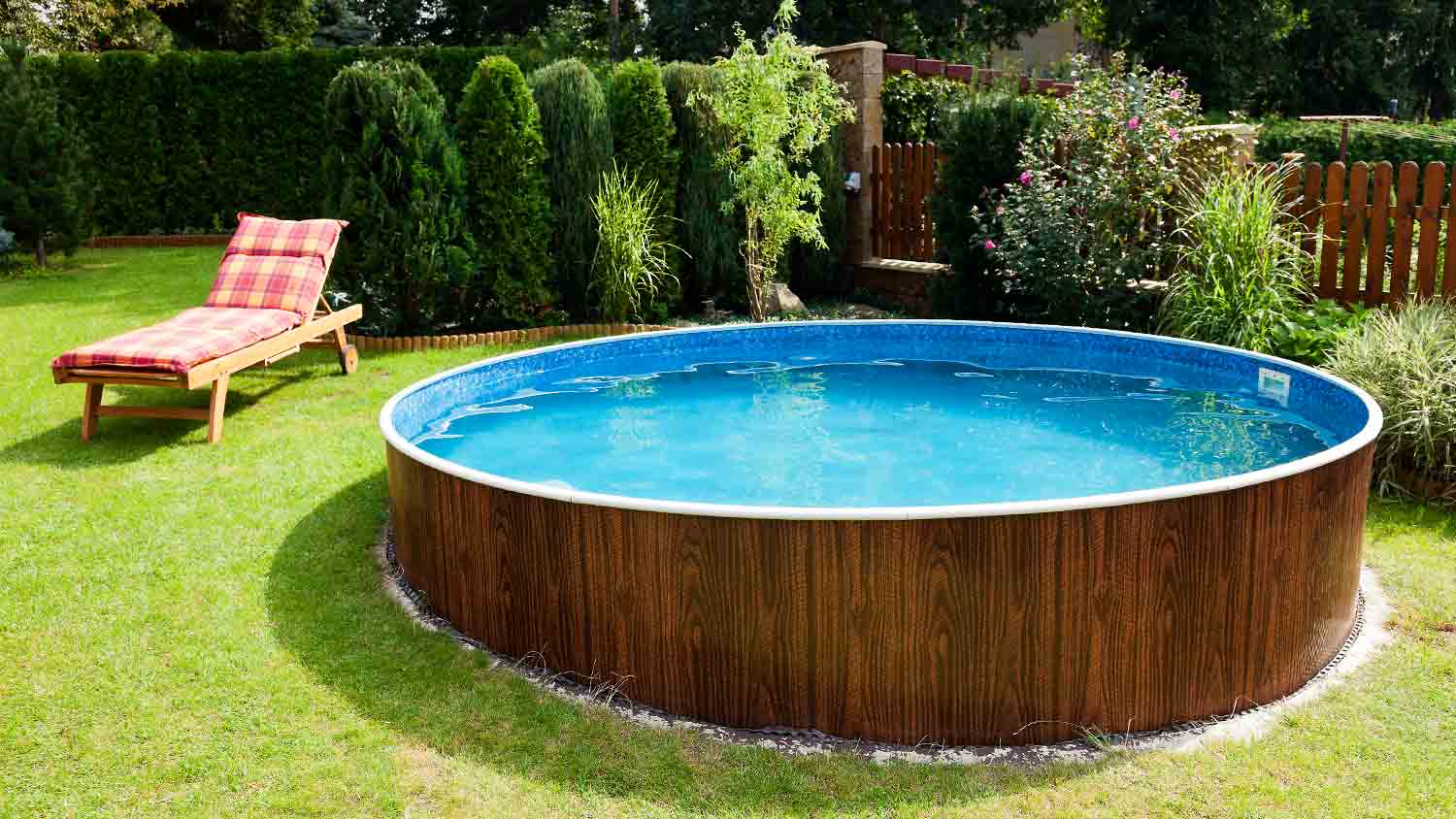
Install Above Ground Pools questions, answered by experts
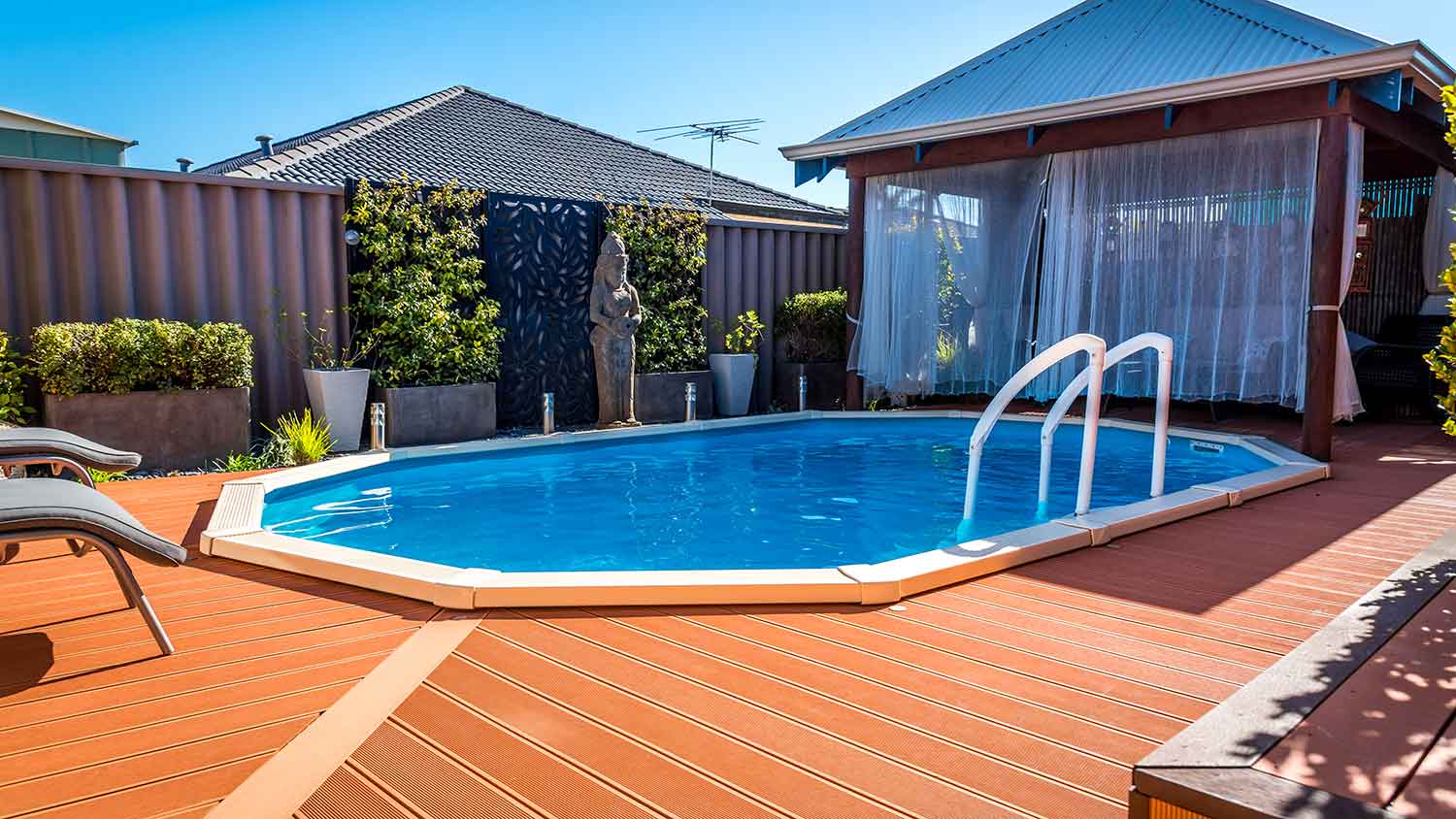
Pavers are a great decking option for pools. They’re customizable, come in a variety of shapes, sizes, colors, textures, materials, and price points, and they’re slip-resistant. Concrete pool decks, on the other hand, are harder to repair and replace if damaged and aren’t as slip-resistant as most paver materials. However, not all pavers are equal in terms of durability, maintenance, and performance. Pavers also have their own cons that may encourage homeowners to opt for stamped concrete instead, such as higher upfront costs.
If your pool’s pH level is too high, chlorine won’t be as effective. Since chlorine is responsible for sanitation and keeping bacteria out of your pool, a high pH level could create a higher risk for bacterial diseases. It can also make you more susceptible to rashes and infections (like swimmer’s ear). Need to lower your pool’s pH? You can do it yourself for between $5 and $40.
Draining a pool with a garden hose can take between eight and 14 hours depending on the depth of your pool and whether you use a sump pump. Be sure to stay close to the pool during this time to ensure the structure of your pool remains unharmed and that the water drains properly.
While you can save some money by digging your own pool, you may end up paying more in construction equipment rental fees in the long run. You could, however, focus your DIY energies on lowering the cost of leveling your lawn for your pool or filling in surrounding landscaping after construction.
Water only runs through a pool heater when not in use if the heater doesn’t have a bypass system. A bypass system stops the flow of water through the heater when not in use. If you don’t have one, then yes, water will still run through the pool heater even when not in use. Not having a bypass system may increase the effects of wear and tear on your pool heater or disrupt the water’s chemical balance.
The Atkinson, NE homeowners’ guide to above ground pool installation services
From average costs to expert advice, get all the answers you need to get your job done.
Above ground pools are more affordable than inground pools, so can you put an above ground pool in the ground to save money? Learn when it’s safe to do so.