Install Above Ground Pools questions, answered by experts
Both above ground and inground pools can have pool liners. Inground pools made of gunite don’t need pool liners, and you’ve probably walked along an unlined pool and felt the ripples and ridges on the floors and walls. But adding a liner over gunite or other pool types helps protect the wall panels from algae growth.
You should wait at least six hours after adding baking soda before swimming in your pool. Even better, wait at least 24 hours to ensure it’s fully mixed in and dissolved. While it’s likely not harmful, if you get in the pool too early, the baking soda may irritate your skin or eyes if you’re sensitive to it.
You'll feel the most comfortable in pool water between 78 and 82 degrees Fahrenheit. Lower temperatures are a bit brisk, while higher temperatures can lead to algae and cloudy pool water. Choose a pool heater that either runs automatically when your water dips below 78 or switch it on several hours before using the pool for the day.
It is possible to restore a filled-in pool. If you want to dig up and repair a filled-in pool in your backyard, the process will cost about the same as the cost of installing a new in-ground pool. You might do this if the filled-in pool is causing sinking, swelling, or drainage issues in your yard. A new pool may resolve these problems and increase your property value.
You don’t need to dilute the baking soda before adding it to your pool. While you can if you want, adding too much water into your pool can throw off your math and chemicals. Your pool’s circulation system will do most of the dissolving work for you, so it’s OK to skip the dilution.
The Spalding, NE homeowners’ guide to above ground pool installation services
From average costs to expert advice, get all the answers you need to get your job done.
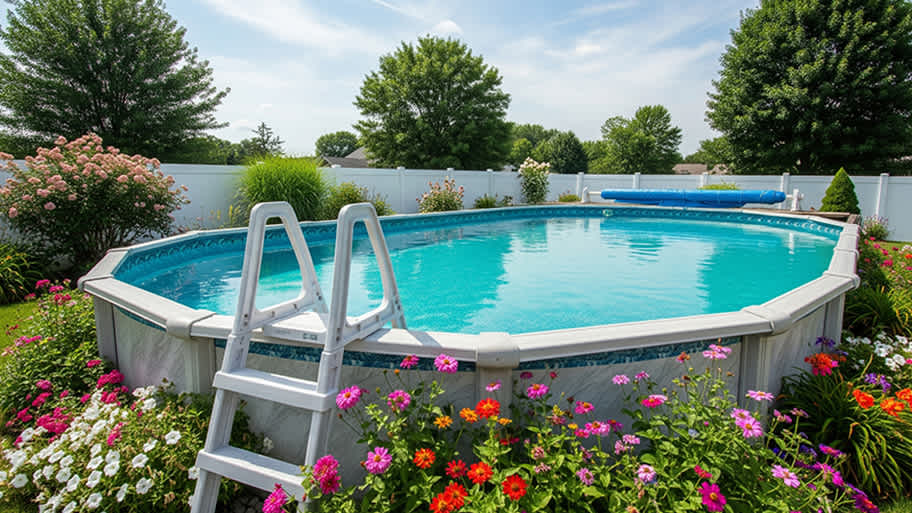
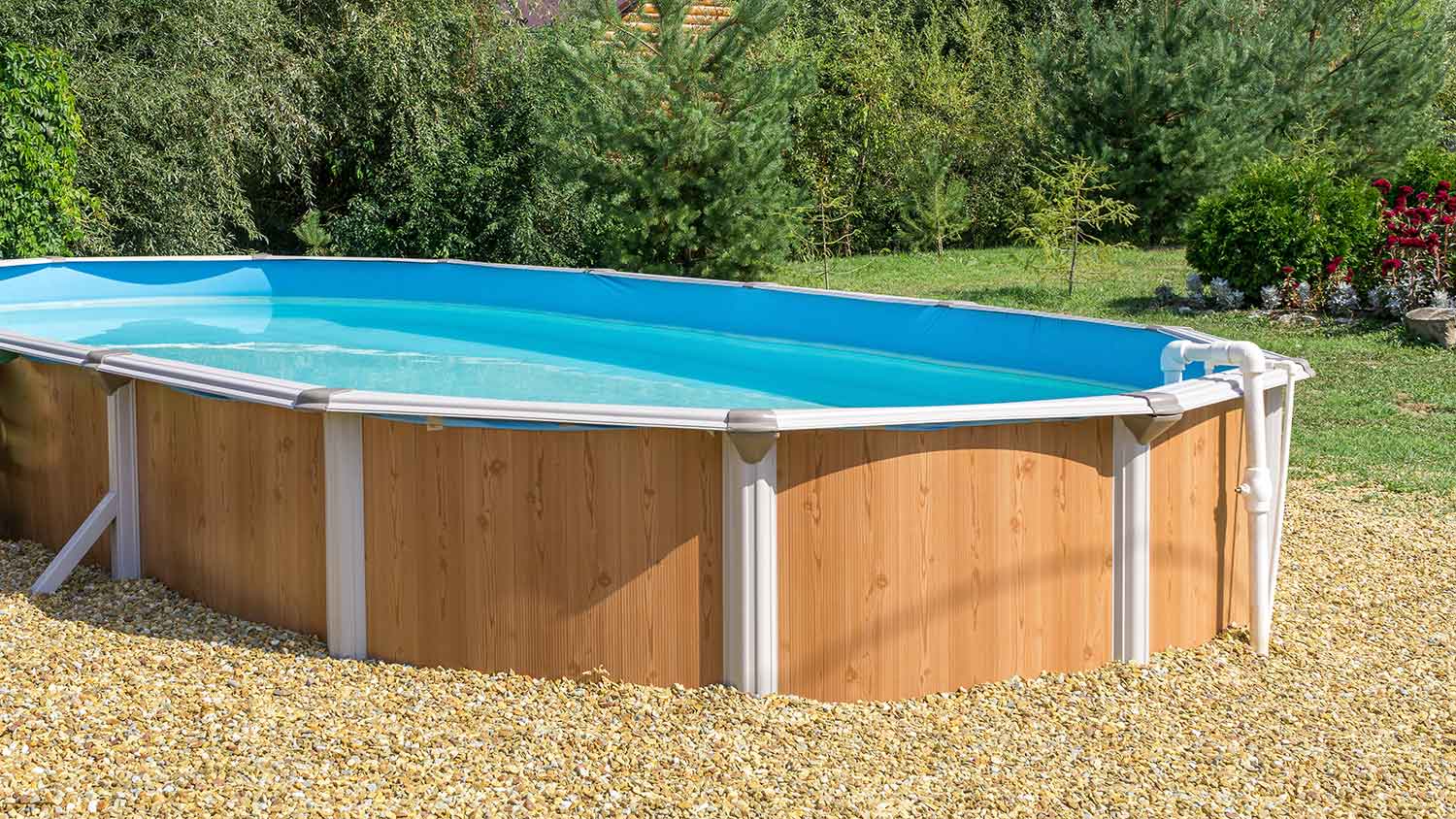
Ready for a backyard oasis? Learn everything about above ground pool installation, including average costs, site prep, and how to hire local pool installers.
Above ground pools are more affordable than inground pools, so can you put an above ground pool in the ground to save money? Learn when it’s safe to do so.